All Articles
Latest articles and analysis on counter-UAS technology and drone warfare
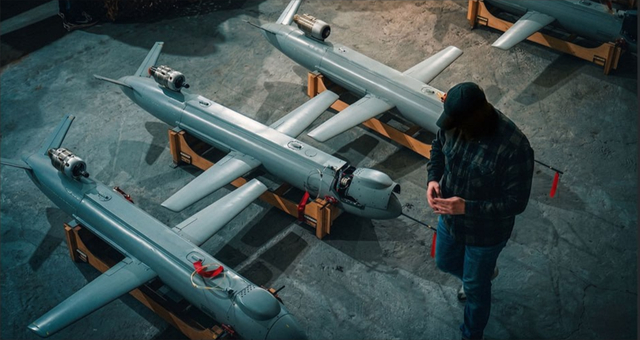
Ukraine Uses Decoy Drone Swarms, AI to Challenge Russian Air Defenses
Ukraine is employing decoy drone swarms, AI-driven route optimization, and a decentralized command structure to overcome Russian air defenses and conduct long-range strikes. These tactics involve a mix of armed and unarmed drones, including designs mimicking missiles on radar. The system reportedly leverages platforms like Palantir's PRISMA for real-time battlefield data analysis.

Ukrainian company Rovertech develops active protection system against Russian FPV drones | Ukrainska Pravda
Ukrainian firm Rovertech is developing 'Tarantul,' an active protection system (APS) designed to counter FPV drones targeting their Zmii unmanned ground vehicles (UGVs). The system utilizes AI-powered sensors and a net launcher for automated drone interception at close range. Current challenges focus on improving net launcher reliability and adapting European drone detection tech to the dynamic battlefield conditions in Ukraine.
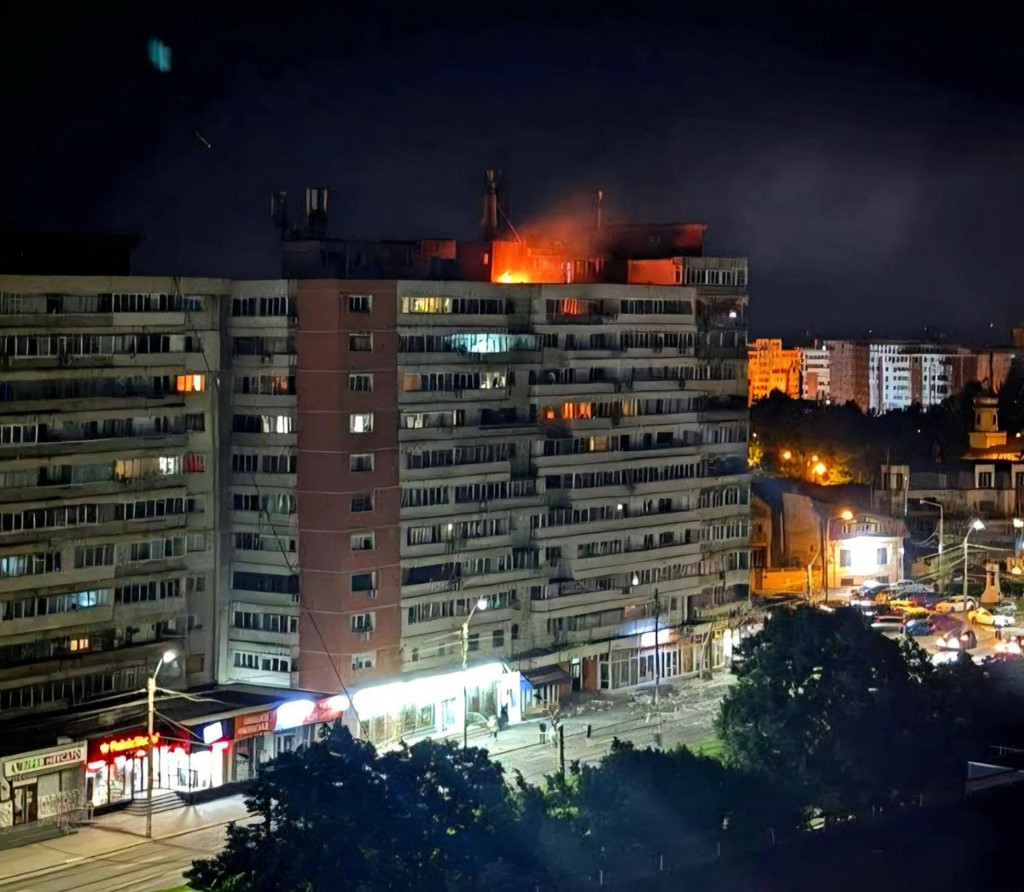
Romania Strike Exposes NATO’s Eastern Flank Risks
A Russian drone impacted Romanian territory near Galați, marking the most serious security breach since the Ukraine invasion began. The incident highlighted vulnerabilities in Romania’s air defense capabilities, specifically against low-flying, inexpensive drones. It underscores the increasing risk of escalation and spillover from the Russo-Ukrainian war into NATO territory.
Catching the unknown: The drone designed to hunt other drones | Euronews
Argus Interception, a German company, has developed the A1-Falke, a drone interceptor system designed to capture rogue drones in mid-air using a net. This system aims to address the increasing number of drone incidents, particularly around airports and critical infrastructure, without causing debris hazards. The A1-Falke carries two net payloads for increased interception probability.
Fences Not F-35s: Drone Attacks and the Illogic of Gulf Procurement
The article argues that Gulf states' current air defense procurement strategies, focused on expensive systems like Patriot and THAAD, are unsustainable due to high ammunition consumption and limited replenishment capabilities. It highlights the effectiveness of lower-tech, cheaper counter-drone systems like the Gepard anti-aircraft gun and even drone-on-drone interception methods. The author advocates for a shift towards a procurement mindset prioritizing 'local relevance' and logistical realities over chasing the latest high-tech solutions.
XTEND selected for Pentagon's Drone Dominance Program Phase II
XTEND, an Israeli drone manufacturer, has been selected for Phase II of the Pentagon’s Drone Dominance Program (DDP), a large-scale initiative aiming to procure over 200,000 drones by 2027. The company will demonstrate its AI-powered, human-guided autonomous systems at Camp Grayling, Michigan, as part of the program's evaluation process. XTEND has already secured a multi-million dollar contract for one-way attack drones.
Counter UAV Readiness in U.S. 21st-Century Airspace Policy- D-Fend Solutions
The U.S. is undergoing a significant policy shift to bolster counter-UAS (C-UAS) readiness, driven by the SAFER SKIES Act and a White House Executive Order. This includes empowering state and local authorities with C-UAS capabilities and significant funding for technology acquisition. The move acknowledges the limitations of solely federal response to the growing drone threat.
Lasers on the Fence Line: Pentagon Deploys Directed-Energy Counter-Drone Systems at Five U.S. Bases
The Pentagon is deploying directed-energy counter-drone systems (high-energy laser & high-powered microwave) to five U.S. bases – Fort Bliss, Fort Huachuca, Naval Base Kitsap, Grand Forks AFB, and Whiteman AFB – by the end of 2026. This move represents a shift towards permanent, integrated base defense against increasing drone incursions. Drone sightings near military installations have increased 82% between September 2024 and September 2025, with a significant portion occurring along the southern border.
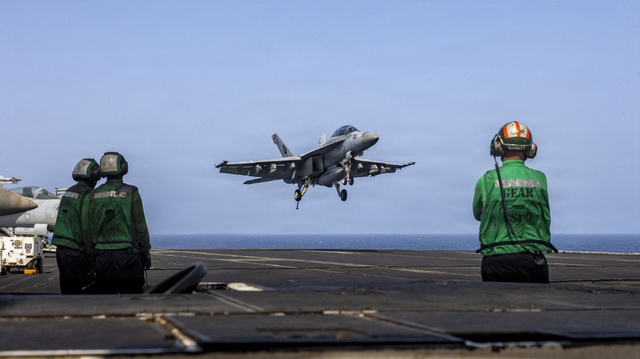
US Strikes Iranian Drone Sites and Air Defenses Amid Fragile Ceasefire
The US conducted strikes against Iranian radar systems and drone command facilities in response to the downing of a US MQ-1 drone and alleged Iranian aggression. Iran claims retaliatory strikes against a US base and warns of escalated responses. The exchange occurs despite an existing ceasefire and ongoing, difficult negotiations regarding Iran's nuclear program and regional access.
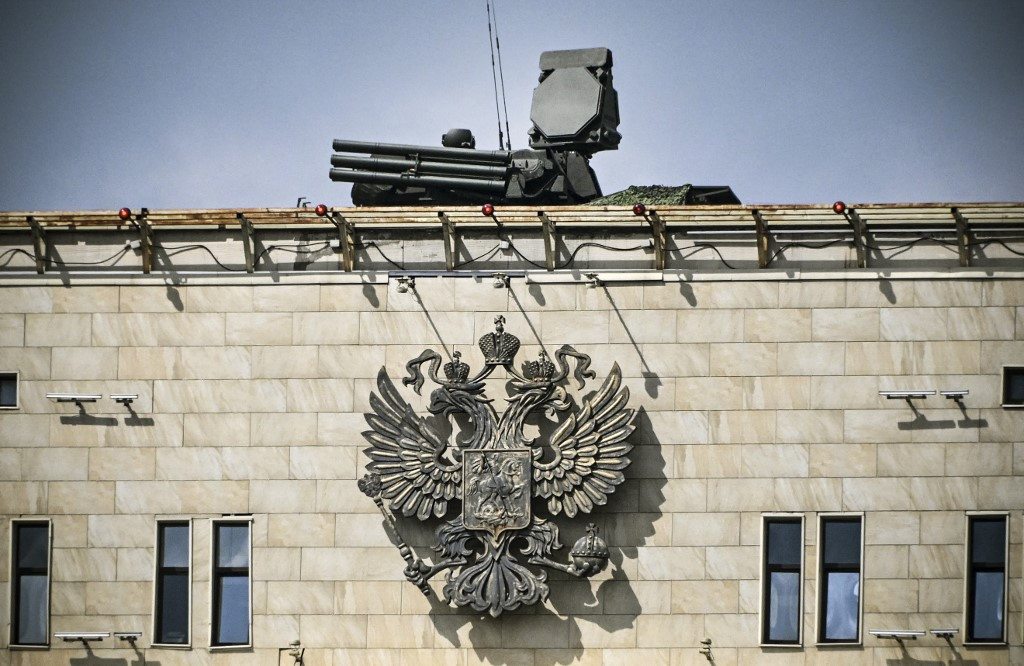
Russia Puts More Air Defense Systems on Moscow Rooftops to Boost Anti-Drone Protection
Russia is increasing its air defense capabilities in Moscow, deploying a fourth Pantsir system on a rooftop near the Kremlin in response to increased Ukrainian drone attacks. This deployment raises concerns about civilian safety due to potential debris and the possibility of structures becoming legitimate military targets. Ukraine has been escalating long-range drone strikes into Russian territory, prompting the defensive measures.