All Articles
Latest articles and analysis on counter-UAS technology and drone warfare

European Commission Opens EU Aviation Strategy Consultation, And Drone Operators Have Until May 21 To Weigh In
The European Commission is soliciting feedback on a new EU Aviation and Aeronautics Strategy, with a deadline of May 21, 2026. The strategy prioritizes large-scale drone deployment, counter-drone technologies (anti-jamming, GNSS resilience, incursion mitigation), and dual-use capabilities. The outcome will influence drone regulations, including the potential 100-gram registration threshold and BVLOS operations.
US Army Expands JIATF-401 Marketplace Access to Romania
The U.S. Army has expanded access to its JIATF-401 marketplace to include Romania, enabling the country to procure counter-UAS technologies. This initiative aims to strengthen allied defense capabilities against drone threats and aligns with a broader Department of War effort to provide partner nations with critical C-UAS systems. JIATF-401 recently completed $13 million in initial purchases through the marketplace.
Defense Ministry purchases 8,000 Octopus interceptor drones for AFU
Ukraine's Ministry of Defense is procuring 8,000 'Octopus' interceptor drones, a domestically developed system effective against Shahed-type drones, to bolster air defense capabilities. This procurement is enabled by a recent policy shift allowing technology transfer to Ukrainian manufacturers, involving 29 companies and UK government participation. Alongside this, Ukraine is receiving F-16 simulators and a 6 billion EUR tranche for drone procurement.
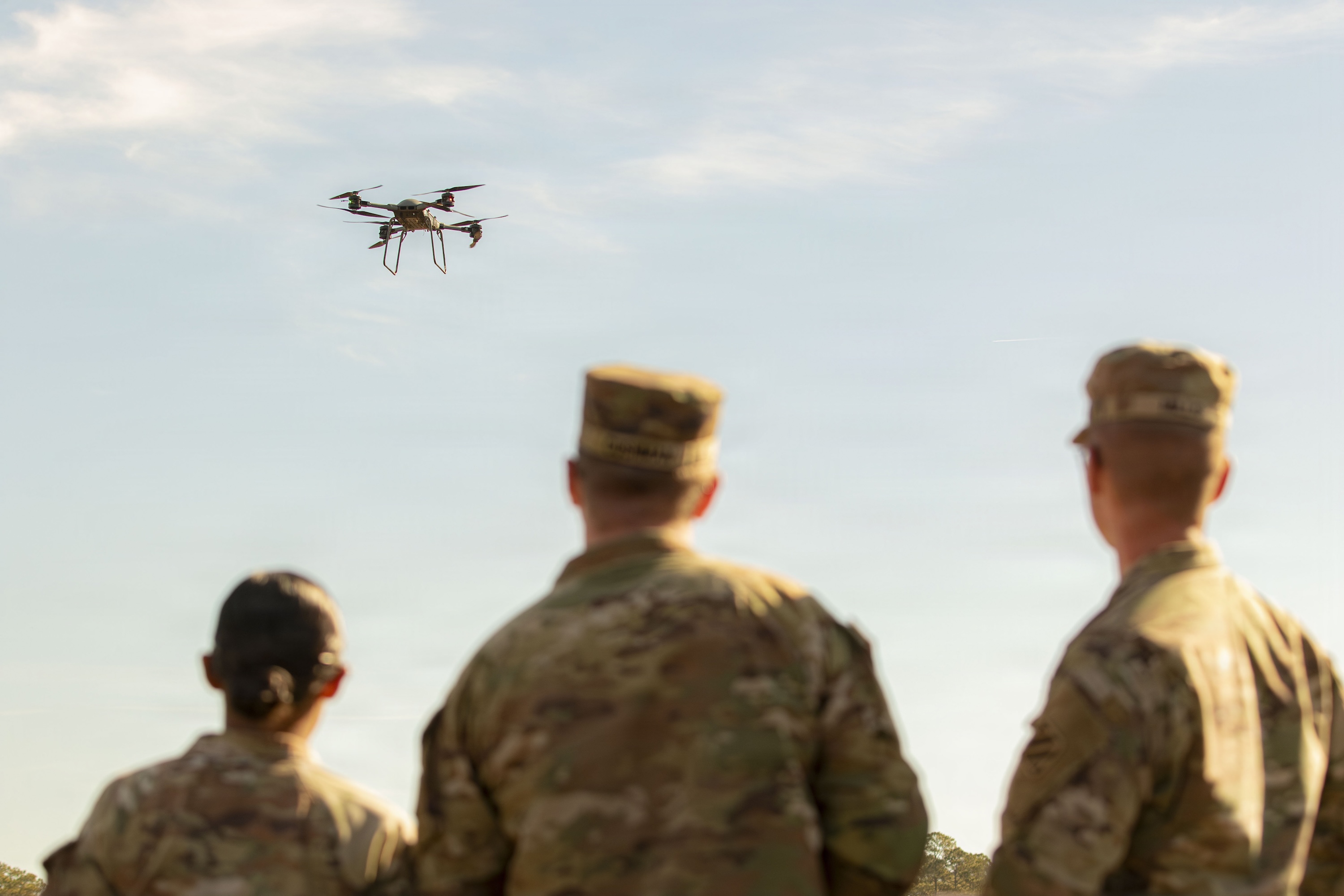
Romania enters US counter-drone marketplace
Romania has joined the U.S. counter-drone marketplace managed by Joint Interagency Task Force 401, gaining access to a range of C-UAS technologies. This move is part of a Pentagon effort to accelerate C-UAS procurement for both the U.S. and its allies. The U.S. is also establishing common data standards for C-UAS technology, with the UK as a partner.
Romania enters US counter-drone marketplace
Romania has joined the U.S. counter-drone marketplace managed by Joint Interagency Task Force 401, gaining access to a wider range of C-UAS technologies. This initiative aims to accelerate C-UAS procurement for both the U.S. and its allies, addressing the rapidly evolving drone threat. The Pentagon is prioritizing interoperability through common data standards for vendors participating in the marketplace.
Missiles, Guns, Lasers . . . and Nets: The Case for Passive Drone Defenses
The war in Ukraine has highlighted the proliferation of drones and the urgent need for effective counter-UAS (C-UAS) solutions. The article advocates for a greater focus on 'passive' C-UAS technologies – those that disrupt rather than destroy – to mitigate escalation and collateral damage. These include jamming, spoofing, and physical capture methods like nets.
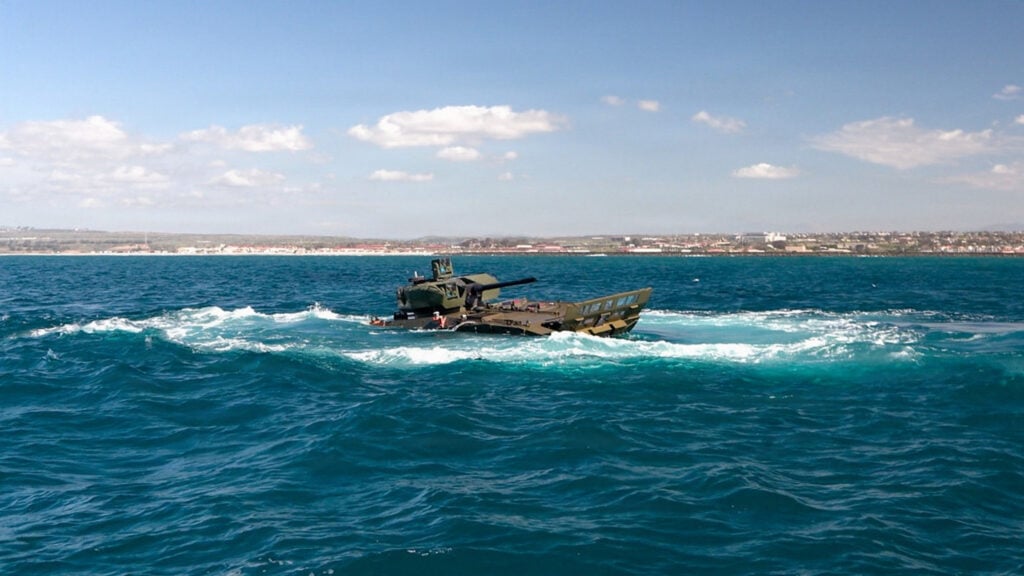
Marines to start development on Advanced Reconnaissance Vehicle Increment 2 in 2029
The US Marine Corps plans to begin development of Increment 2 of the Advanced Reconnaissance Vehicle (ARV) in 2029. This increment will include three variants: a counter-UAS (C-UAS) platform, a recovery vehicle, and a precision fires module. The development signals a growing Marine Corps focus on mobile, multi-mission capable platforms.
Iran’s Arsenal For Attack: Drones, Missiles & The Logic Of Sustained Asymmetric Strike - Indian Aerospace and Defence Bulletin - News for aerospace and defence in India
This report details the evolution of Iran's asymmetric warfare doctrine, demonstrating a progression from initial attacks to sustained campaigns utilizing drones, cruise missiles, and ballistic missiles. Iran has shown an ability to adapt its strike composition based on defensive responses and rapidly reconstitute its drone inventory. The strategy focuses on overwhelming defenses through saturation and attrition, rather than guaranteed penetration.
Listening to the Sky: Acoustic Drone Detection Systems – Ukraine & Emerging Technologies | Article | The United States Army
A U.S. Army analysis highlights the successful deployment of low-cost acoustic drone detection systems (Sky Fortress, Zvook, FENEK) in Ukraine, utilizing extensive sensor networks for early warning against UAS and FPV drones. The report advocates for the adoption of similar acoustic technology by the U.S. military along the NATO Eastern Flank and in the Indo-Pacific region. These systems provide a passive detection capability, complementing existing radar and electronic warfare systems.
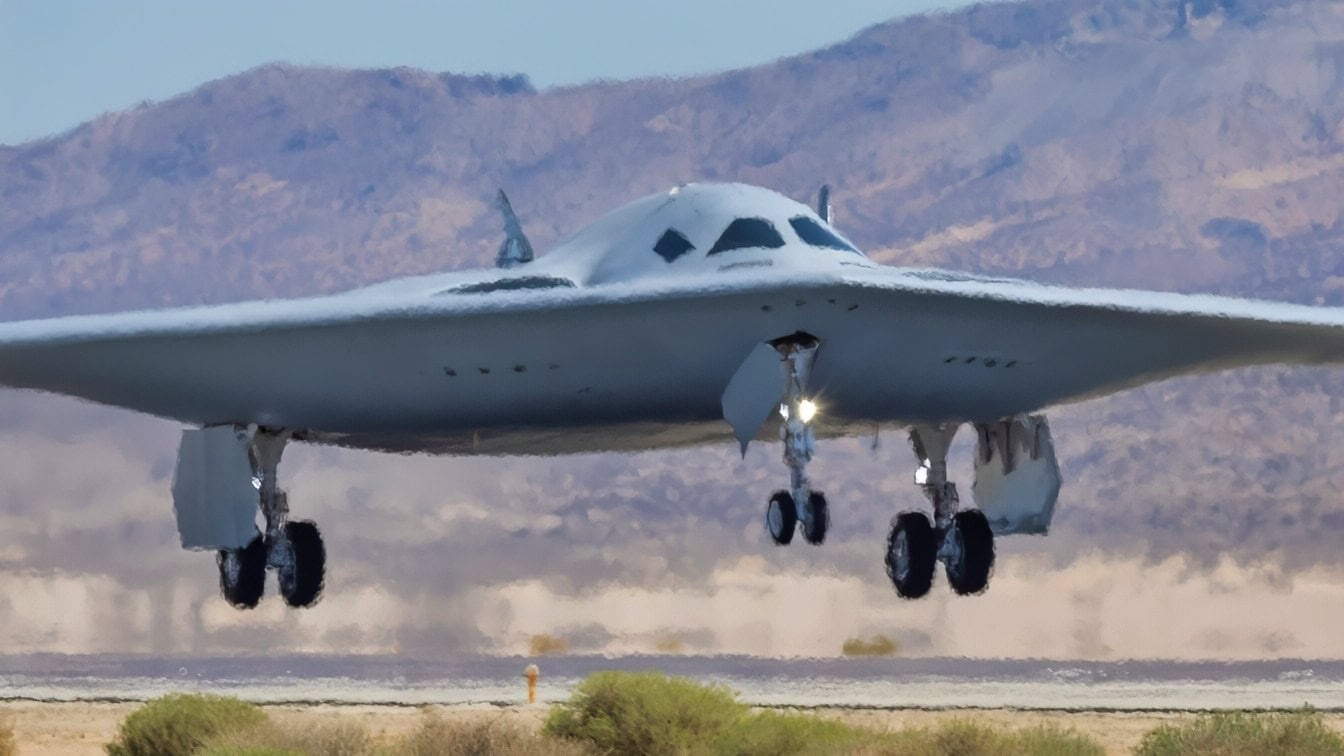
China Might Have a New Radar That Can ‘Compromise’ a B-21 Raider Stealth Bomber
Reports suggest China may have developed a new radar system capable of detecting the U.S.'s B-21 Raider stealth bomber, escalating the counter-stealth technology race. This development highlights the ongoing competition between the U.S. and China in military technology, particularly concerning stealth capabilities. The article frames this as a continuation of a 'one-upmanship' dynamic in great power competition.