Missiles, Guns, Lasers . . . and Nets: The Case for Passive Drone Defenses
AI Analysis
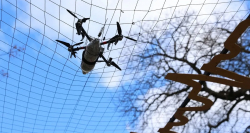
The war in Ukraine has highlighted the proliferation of drones and the urgent need for effective counter-UAS (C-UAS) solutions. The article advocates for a greater focus on 'passive' C-UAS technologies – those that disrupt rather than destroy – to mitigate escalation and collateral damage. These include jamming, spoofing, and physical capture methods like nets.
Key Takeaways
- Ukraine has demonstrated the effectiveness of low-cost commercial drones when massed, overwhelming traditional air defenses.
- Kinetic C-UAS methods (missiles, guns, lasers) are expensive, can be easily countered, and risk escalation.
- Passive C-UAS systems (jamming, spoofing, nets) offer a less escalatory and potentially more cost-effective approach.
- The article suggests a layered defense incorporating both kinetic and passive C-UAS technologies is optimal.
- Reliance solely on destruction is unsustainable given the low cost and high availability of drones.
Why It Matters
The increasing reliance on drones in modern warfare necessitates a shift in defensive strategies. Prioritizing passive C-UAS technologies offers a more sustainable and potentially less risky approach to mitigating the drone threat, particularly in contested environments. This has implications for defense procurement and military doctrine globally.
MWI <br/> <p>Of all of the modern war lessons that have emerged from more than four years of war in Ukraine, the rapid rise of weaponized drone technology and the necessary race to develop systems to...