All Articles
Latest articles and analysis on counter-UAS technology and drone warfare

Zen Technologies unveils AI-powered anti-drone system, ETManufacturing
Zen Technologies has unveiled a new AI-powered anti-drone system at the North Tech Symposium 2026, designed for versatile deployment. The system boasts a detection range exceeding 15km, tracking of over 100 drones simultaneously, and utilizes RF/GNSS jamming and spoofing alongside integration with weapon systems. Developed under India's IDDM framework, the system aims to reduce import dependence and bolster indigenous defense capabilities.
Experts Make Their Picks for Acquisition Reform Litmus Tests
The article highlights the need for rapid defense acquisition reform, identifying several key areas for testing its effectiveness, including counter-UAS systems. Experts suggest focusing on technologies with proven readiness to quickly address critical battlefield needs, like improved ammunition for existing guns and mobile C-UAS solutions. Successful implementation hinges on incentivizing industry to scale production and sustain innovation.
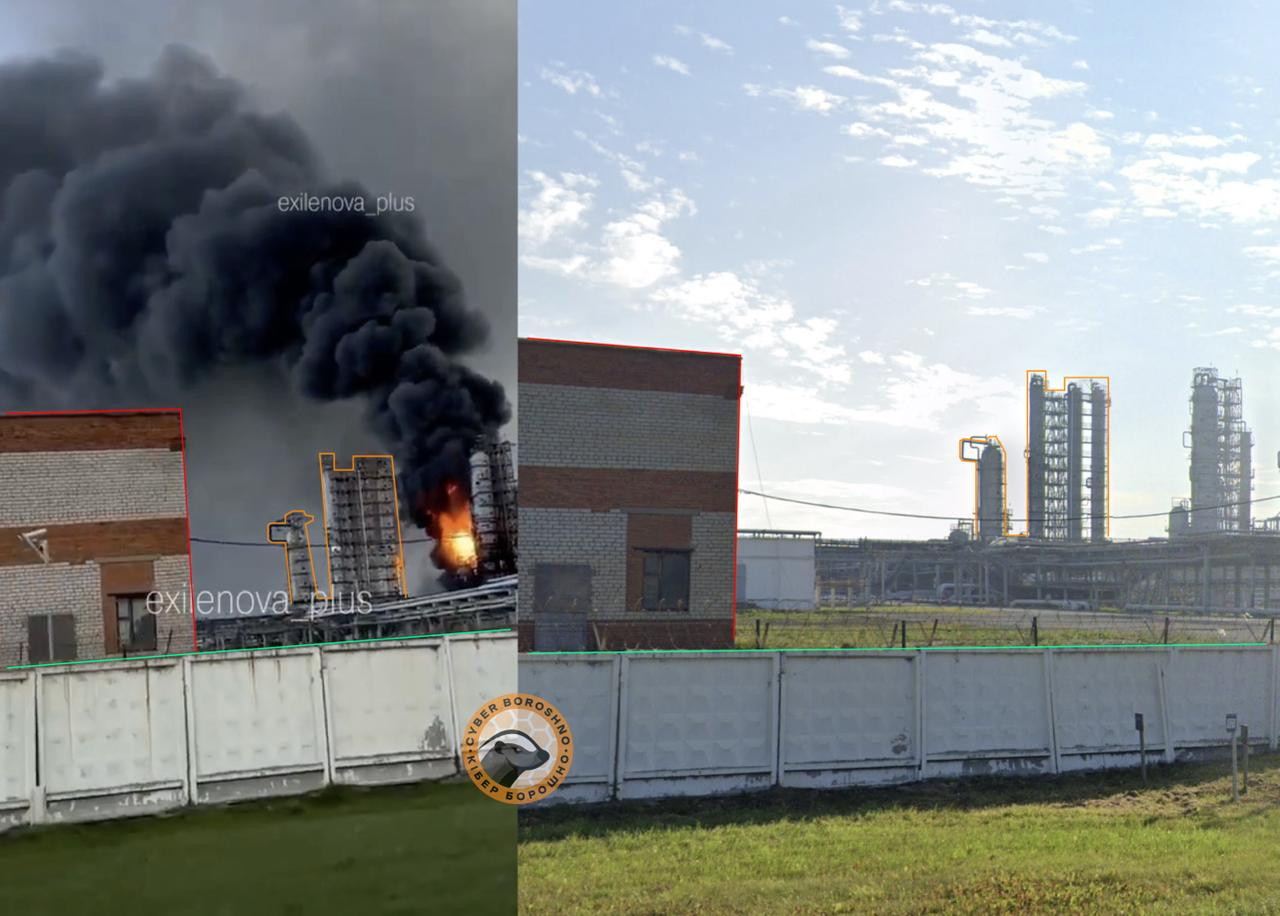
Russian Military Tech Plant, Major Oil Refinery Hit as 289 Drones Pound Russia Overnight
A large-scale drone attack targeted Russian infrastructure overnight, successfully striking a key military tech plant (VNIIR-Progress) producing electronic warfare systems and components for precision-guided munitions, as well as an oil refinery (KINEF). Russia claims to have intercepted 289 drones, but the Cheboksary strike indicates vulnerabilities in their air defenses. The attacks caused significant disruption, including airport closures across multiple regions.
ThinKom develops mobile high-power microwave system for counter-drone operations | Military Aerospace
ThinKom Solutions is developing 'Alecto,' a mobile high-power microwave (HPM) system designed for counter-drone operations, specifically targeting drone swarms. The system utilizes steerable antennas and focuses microwave energy to disrupt drone electronics without relying on pre-programmed data, enabling real-time engagement. Alecto’s reduced size and power requirements allow for deployment on smaller, mobile platforms.
Ukraine's Race to Outfly and Outsmart the Shahed Drone
Iranian-designed Shahed drones are evolving their tactics in Ukraine, utilizing altitude shifts, increased reliance on interceptor drones, radar networks, and mobile air defense teams to evade Ukrainian defenses. This necessitates continuous adaptation of Ukraine's counter-drone systems, focusing on interceptor technology, coordination, and detection. Mesh-network coordination, dynamic targeting, and new engine variants are emerging capabilities driving this evolution.
Dutch Startup Intelic Creates Drone Procurement Hub for Europe – UAS VISION
Dutch startup Intelic has launched BASE, a European drone procurement hub designed to streamline the acquisition of military drones by connecting manufacturers from nine European countries. The platform aims to address the fragmented European drone market and accelerate deployment through interoperability facilitated by Intelic's Nexus command-and-control software. A significant aspect is the inclusion of substantial Ukrainian drone production capacity, exceeding 100,000 UAVs monthly.
Palladyne AI Reports First Quarter 2026 Results | Nasdaq
Palladyne AI reported a 107% year-over-year revenue increase in Q1 2026, reaching $3.5 million, with a backlog of $17 million. The company is focused on autonomous systems, including counter-UAS, and has secured contracts with the Department of War and partnerships with Red Cat, Draganfly, and the Air Force Research Lab. Their SwarmOS technology is being integrated across aerial, ground, and now space-based assets.
CWPS: Offense Without Limits: Radical Instability and the Rise of the AI–Drone Order
This report from the Center for War/Peace Studies (CWPS) assesses a fundamental shift in global security, arguing that the proliferation of AI-enabled drones is collapsing traditional deterrence models. The cost asymmetry – cheap, scalable offense versus expensive, limited defense – is creating a landscape of 'radical instability' and perpetual, low-intensity conflict. The report highlights the potential for AGI to exacerbate this imbalance, granting a decisive strategic advantage to the first actor to achieve it.
Applying US Air Warfare Theory: Iranian Missile Forces | ISW
A US-Israeli combined force successfully disrupted Iran's ballistic missile program through a campaign leveraging US air warfare theory, specifically 'parallel warfare'. The campaign focused on degrading the entire Iranian missile system – not just materiel – aiming to prevent execution of Iran’s operational plans and hinder long-term reconstitution. Assessment of success should prioritize qualitative effects over simple quantitative measures of destruction.
They found a way to beat FPV drones, but the IDF didn't listen | The frustration of t
IDF reservists with tech backgrounds accurately predicted Hezbollah's adoption of FPV drone tactics, mirroring those seen in Ukraine, and developed mitigation plans a year ago. These warnings and proposed solutions were reportedly ignored by senior IDF command, leading to recent battlefield injuries and a reactive, rather than proactive, defense posture. Hezbollah is employing a two-stage drone attack methodology: reconnaissance followed by explosive delivery.