All Articles
Latest articles and analysis on counter-UAS technology and drone warfare
Ukraine Hits Yaroslav Refinery in Second Strike Within a Week
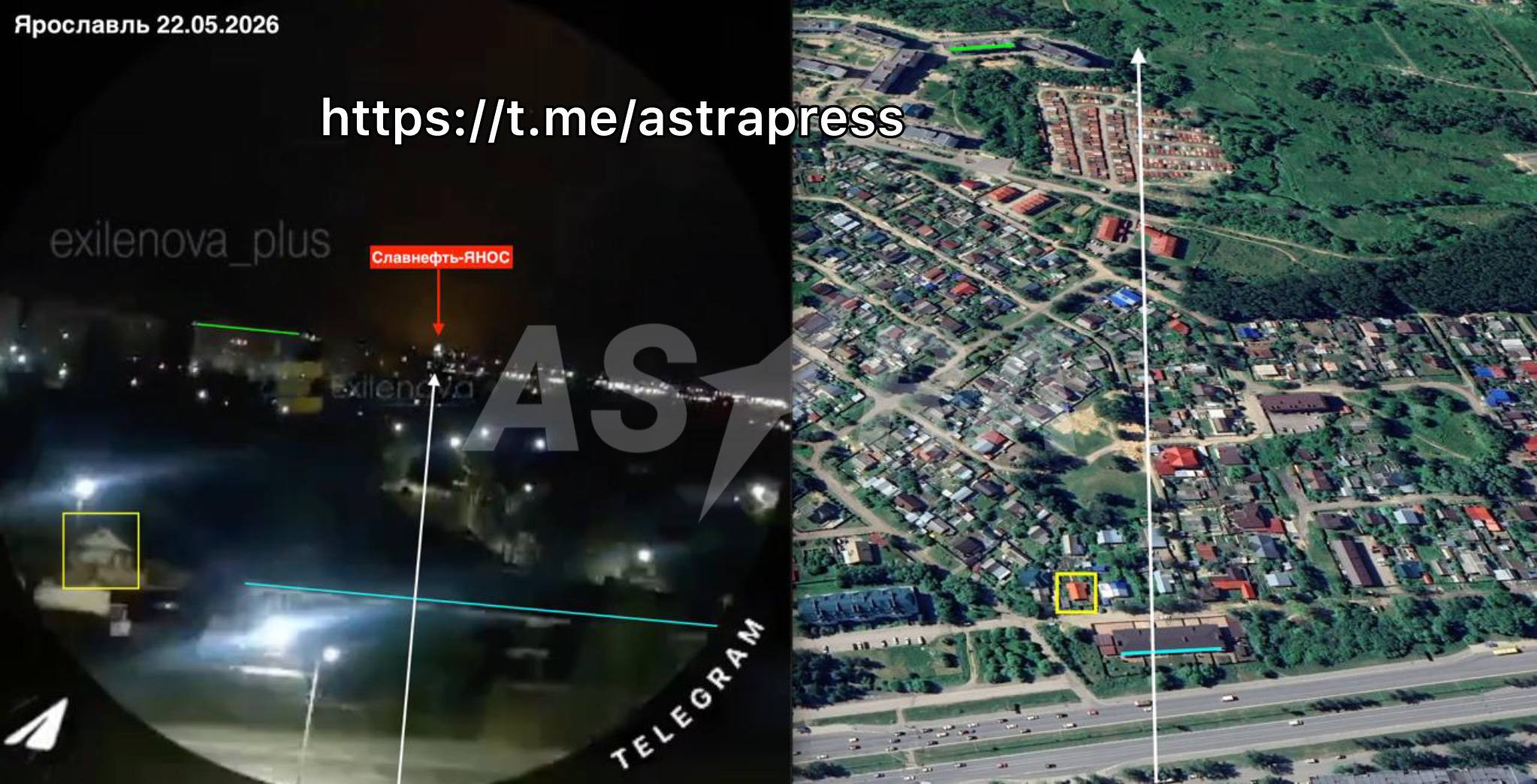
Ukrainian drone strikes have successfully targeted the Slavneft-YANOS oil refinery in the Yaroslavl region of Russia, approximately 700km from Ukrainian territory, marking the second attack within a week. President Zelensky has confirmed these strikes as part of a strategy of 'long-range sanctions' in response to Russian attacks on Ukrainian cities. Russia claims to have intercepted a significant number of drones, though the refinery was demonstrably hit.

Ukrainian Drone Incursions, Russian Electronic Warfare, and International Law
Recent incursions of Ukrainian drones into Baltic states (Latvia, Lithuania, Estonia) are attributed to Russian electronic warfare (EW) countermeasures. Russia is likely employing GNSS spoofing and jamming techniques to disrupt Ukrainian drone operations, potentially redirecting them or causing crashes. The Ukrainian Foreign Minister claims these diversions are deliberate acts by Russia.
The drone battery supply chain just became a defense problem
The FY26 NDAA will significantly impact the drone industry by prohibiting the DoD from procuring batteries with Chinese-sourced materials or ownership, beginning in 2028. This mandates a shift towards non-Chinese supply chains for all battery components (cathode, anode, electrolyte, separator, BMS) and introduces a self-certification process for compliance. Different drone types (FPV, reconnaissance, logistics) require varying battery specifications, adding complexity to the transition.
Latvia Suggests AI May Have Redirected Ukrainian Drones
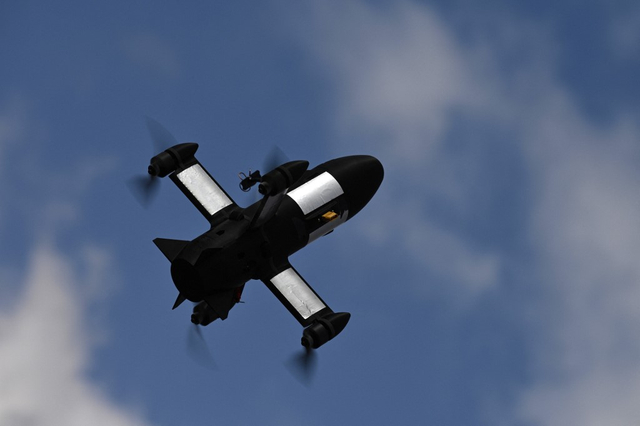
Latvian military experts suggest Russian electronic warfare (EW) systems, potentially utilizing AI, are redirecting Ukrainian drones, causing them to deviate into Baltic and NATO airspace. Two Ukrainian drones crashed in Latvia near an oil facility, and Russia is accused of deliberately manipulating drone flight paths. This incident highlights a new dimension of asymmetric warfare and challenges to air defense systems.
Ukrainian Drone Commander: Attacking Russian Oil Refineries Has Been Surprisingly Easy
Ukrainian drone operations against Russian infrastructure, particularly oil refineries, have become increasingly effective due to detailed intelligence on Russian air defense systems and tactics. The 413th Drone Regiment ('Reid') has successfully targeted facilities deep within Russian territory, exploiting weaknesses in Russia's layered defenses. Ukraine is demonstrating an ability to adapt and overcome Russian counter-drone measures through reconnaissance and target prioritization.

Ex-US Ambassador Says Trump Aid Freeze Put Kyiv Embassy At Risk
Former US Ambassador to Ukraine, Bridget Brink, asserts that a 2025 freeze on US military aid and intelligence sharing under the Trump administration directly endangered US embassy personnel in Kyiv. Embassy staff relied on Ukrainian air defenses, equipped with US weaponry, for protection against Russian drone and missile attacks. The aid suspension followed a reported clash between Trump and Zelensky.
New Ghana facility will boost startup Terra Industries’ aerial systems production to 50 000 annually - DefenceWeb
Terra Industries, a Nigerian defense startup, is expanding with a new drone manufacturing facility in Ghana, aiming for a combined production capacity of 80,000 drones annually by 2028. The company focuses on producing a range of UAVs, including a dedicated interceptor drone ('Kama') for counter-UAS operations. This expansion is driven by increasing demand for drone defense systems in Africa, mirroring trends seen in other conflict zones.
'Heat to kill' laser beam weapons ready to take on Iranian drones | The National
Operational 'heat-to-kill' laser systems are now available for countering drone swarms, particularly Iranian Shahed-style drones, at a significantly lower cost per engagement ($1.99/shot) than traditional interceptors. These systems, utilizing technology from Civan Lasers, are reported to have been successfully deployed in recent months. However, effectiveness is dependent on clear line-of-sight and weather conditions.
U.S. Army tests AI-guided drone killer at Fort Hood
The U.S. Army successfully tested an AI-guided counter-UAS system, the RIwP, at Fort Hood, demonstrating the ability to retrofit existing weapon stations to engage drones in under three seconds. This system, developed by Moog, Echodyne, and Picogrid, utilizes AI-powered radar to identify and target Group 1-3 UAS threats. The test highlights a cost-effective approach to C-UAS defense by upgrading existing assets rather than procuring entirely new systems.
DAPA Launches Development of Direct-Impact Interceptor Drone - Seoul Economic Daily
South Korea's DAPA has initiated a rapid development program for a "Counter-Drone Hard-Kill Close-In Defense System," a direct-impact interceptor drone designed to neutralize medium-sized suicide drones. The project will receive 17 billion won in funding over two years, with potential for follow-on projects based on successful testing. The system utilizes infrared heat-tracking for detection and aims to protect critical infrastructure and military assets.