Italy busts Russian spy ring collecting data on Ukrainian air defense vulnerabilities
AI Analysis
Italian authorities disrupted a Russian intelligence network operating in Rome, focused on gathering information about Western air defense systems being supplied to Ukraine. The network, led by a GRU officer, recruited former Italian intelligence officials to obtain data on systems like the Samp-T and Leonardo's Michelangelo Dome. The operation highlights Russia's continued efforts to assess and counter Western military aid to Ukraine.
Key Takeaways
- Russia actively seeks intelligence on Western air defense capabilities deployed in Ukraine, specifically the Samp-T system and the upcoming trials of the Michelangelo Dome.
- The network utilized former Italian intelligence officials (Gavino Piras and another unnamed official) as informants, compensated for classified information via cash payments.
- Information requests extended beyond air defense, encompassing details on Italian missile procurement (Storm Shadow), EU/NATO rearmament plans, and long-range missile development in Ukraine.
- Russia also demonstrated interest in Italian industrial capabilities, including Avio (rocket motors) and Leonardo's sub-sea drone program.
- Italy expelled two Russian military attaches linked to the espionage operation, signaling a firm response to Russian intelligence activities.
Why It Matters
This operation reveals Russia’s prioritization of understanding and potentially countering Western support to Ukraine, particularly in the realm of air defense. The targeting of specific systems like the Samp-T and Michelangelo Dome suggests Russia is attempting to identify vulnerabilities and develop countermeasures. This incident underscores the ongoing threat of Russian espionage in Europe and the need for heightened counterintelligence measures.
ROME — Russia has told one of its spies in Europe to find out more about air defense capabilities western nations are sending to Ukraine, Italian investigators have reported after breaking up an alleged espionage ring in Rome.
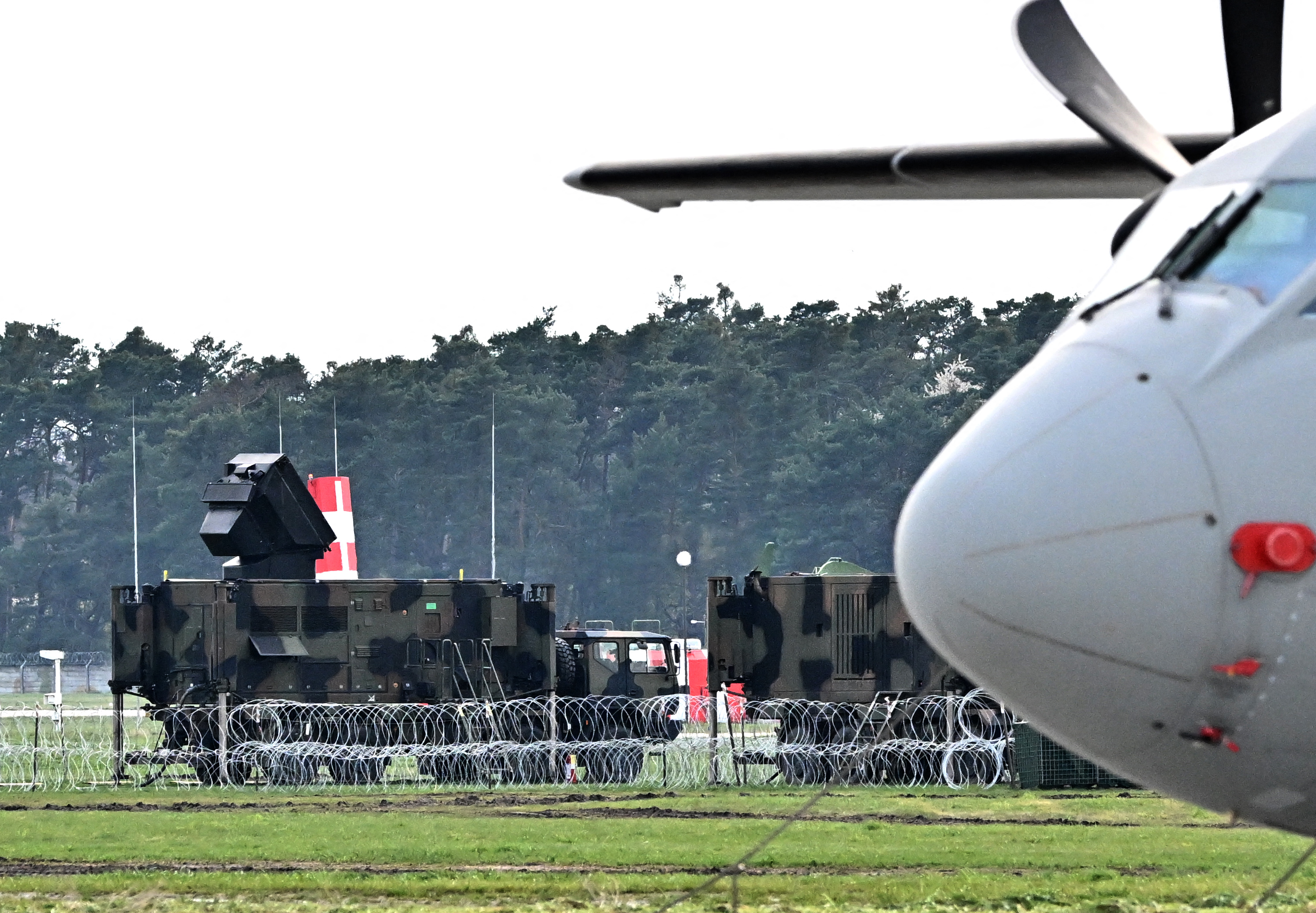
Police who filmed and wiretapped an alleged Russian military intelligence officer quizzing an accused informant in Italy heard him demanding information on systems like Europe’s Samp-T, which has been given to Kyiv, and the Michelangelo Dome, an air defense system developed by Italy’s Leonardo due to be tested in Ukraine in November.
The Russian accused of being an officer with Russia’s military intelligence agency GRU was followed as he met with Gavino Piras, 59, a former member of Italy’s secret service, who was arrested this week along with a second former Italian intelligence official.
Piras is accused of using cash supplied by the Russian official, Mikhail Astakov, to recruit informants in the Italian military who fed him secret information Astakov asked for. Five alleged informants are under investigation.
Court documents seen by Defense News allege that Astakov — who was a military attaché at the Russian embassy in Rome — gave Piras lists of information requests from his superiors at secret meetings and was given microSD cards packed with information which were left in a hole in a wall for collection.
The Russian paid out €4,000 ($4,600) in cash for each package of information, the investigators said.
“All that I can give you, I will give you, tell your boss that,” Piras told Astakov.
The requests show a determination to find out exactly how Europe was helping Ukraine defend itself from Russian missile and drone attacks.
Following a demand for information about the European Samp-T air defense system supplied by Italy and France to Ukraine, Piras refers to data about the battery he has passed over, and he also fields requests about the MBDA CAMM-ER air defense missile, which Ukraine is in talks to assemble.
Astakov also asks about Leonardo’s planned Michelangelo Dome, an air-defense system designed with open architecture to allow partner countries to link existing assets and make them interoperable.
Leonardo management has said the system will be trialed in Ukraine in November.
One note delivered in September 2025 requested information on a variety of topics including “Efficiency of attacks on Iranian nuclear structures, damage to the program, prospects of work restarting,” as well as Italy’s plans to purchase Storm Shadow missiles, rearmament plans for Italy, EU and NATO, “Priorities and objectives of EU defense” and “Help for Ukraine to build long distance missiles.”
The Russian was also curious about a Leonardo sub-sea drone he says the firm is testing in La Spezia in Italy.
In the transcripts reported in the court documents, Piras tells the Russian that British, not Italian, intelligence is assisting Ukraine in its long range strikes against Russia oil facilities.
Piras also claims that Italian experts are studying the workings of the Russian T90 tank. “They don’t understand how the machine gun mounted on it works autonomously. If they manage to steal the secret they will, so be careful,” he tells Astakov.
In April 2025, Astakov requested information on Avio, the Italian propulsion firm, months after it partnered with the US Army to supply missile solid rocket motors.
After Piras was arrested on Tuesday, his lawyer denied he had passed any classified information to Russia.
On Thursday, the Italian government announced it was expelling two Russian military attaches working at the Russian embassy, including Astakov.
“Moscow continues to use hybrid warfare to attack the West and Italy,” said Italian foreign minister Antonio Tajani. “This is serious and unacceptable interference in Italian institutions and national security,” he added.
Tom Kington is the Italy correspondent for Defense News.