Drone Attacks Spark Fires at Russian Oil Depots in Tver and Stavropol Regions
AI Analysis
Drone attacks targeted oil depots in Russia's Tver and Stavropol regions, causing fires and confirming an expanding Ukrainian campaign against Russian fuel infrastructure. The attacks follow a recent strike on Russia’s largest refinery in Omsk, leading to operational halts and anticipated fuel shortages. These incidents demonstrate a sustained Ukrainian capability to strike deep within Russian territory.
Key Takeaways
- Oil depots in Tver Oblast and Stavropol Krai were reportedly attacked by drones overnight.
- The Stavropol attack targeted a Lukoil-Yugnefteprodukt oil depot, confirmed by the regional governor.
- The Tver attack targeted the Tvernefteprodukt oil depot; damage assessment is ongoing.
- These attacks are part of a broader Ukrainian strategy to disrupt Russian logistics and war-sustaining infrastructure.
- The recent attack on the Omsk refinery, Russia’s largest, has already led to operational shutdowns and fuel supply concerns, particularly in Crimea.
Why It Matters
The sustained attacks on Russian fuel infrastructure represent a significant escalation in Ukraine’s ability to project force and degrade Russia’s logistical capabilities. Disruptions to fuel supplies will likely impact Russian military operations and potentially civilian sectors, increasing economic pressure. This also highlights the vulnerability of critical infrastructure within Russia to drone attacks, necessitating increased investment in air defense and counter-UAS technologies.
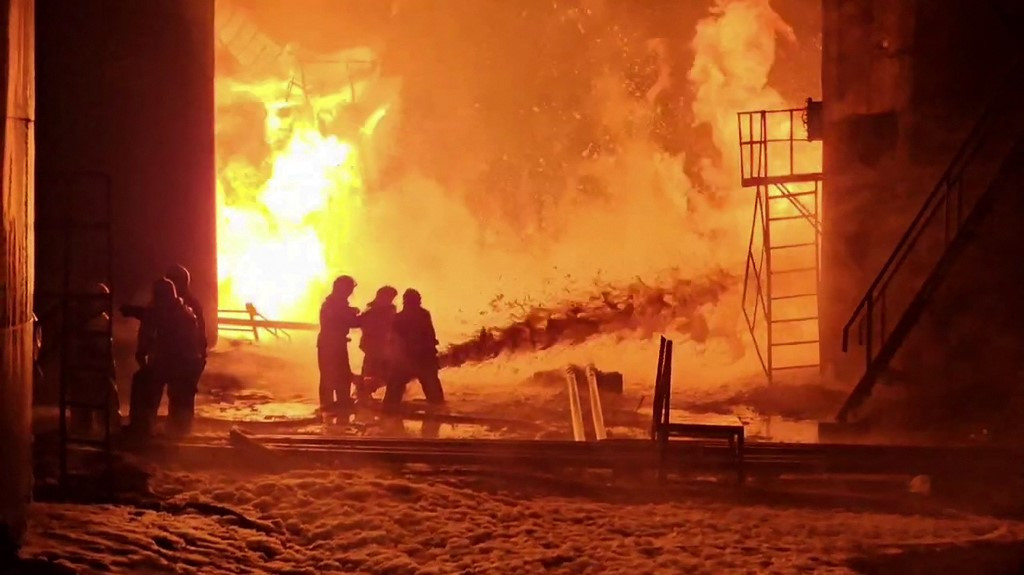
Drone attacks struck oil storage facilities in Russia’s Tver region and Stavropol Krai in the early hours of Thursday, triggering fires at both sites, according to the Russian outlet Astra and monitoring Telegram channels.
In Mikhailovsk, a city in Stavropol Krai, OSINT analysis of eyewitness videos indicates that drones hit the Lukoil-Yugnefteprodukt oil depot, Astra reported.
Follow our coverage of the war on the @Kyivpost_official.
The company stores, transships and sells petroleum products through oil depots and Lukoil gas stations across southern and central Russia.
Stavropol Governor Vladimir Vladimirov confirmed that a drone attack had caused a fire at what he called an “industrial facility” in the village of Vyazniki in Shpakovsky district, near Mikhailovsk. He said firefighters were working at the scene and reported no casualties or threat of the fire spreading to residential areas.
Vladimirov also said drone debris had fallen in Stavropol near Kolomiytseva Street, with no reported damage or injuries. A drone threat alert remained in effect across the region, according to local reports.
The same night, drones also reportedly attacked the Tvernefteprodukt oil depot in Tver, north of Moscow.
Videos published online showed flames and smoke rising in the area of at least one storage tank at the facility. Local authorities had not reported the scale of the fire or possible casualties at the Tver site at the time of publication.
The reported attacks come amid an expanding Ukrainian campaign against Russia’s fuel infrastructure, refineries and logistics facilities. Kyiv has repeatedly targeted oil depots, pumping stations and refineries that help sustain Moscow’s war effort.
Earlier this week, Russia’s largest oil refinery in Omsk halted operations after a Ukrainian drone attack damaged key processing units. The refinery is Russia’s top gasoline producer, and its shutdown is expected to worsen fuel shortages across the country.
The pressure is already being felt in occupied Crimea, where Russian-appointed authorities have warned that fuel shortages will remain tense. The peninsula imposed rationing after Ukrainian drone strikes jeopardized transport links used to resupply the occupied territory.
Kyiv Post is Ukraine’s first and oldest English news organization, reporting since 1995. Its international reach – 97% of readers are outside of Ukraine – make it truly Ukraine’s global voice.