All Articles
Latest articles and analysis on counter-UAS technology and drone warfare
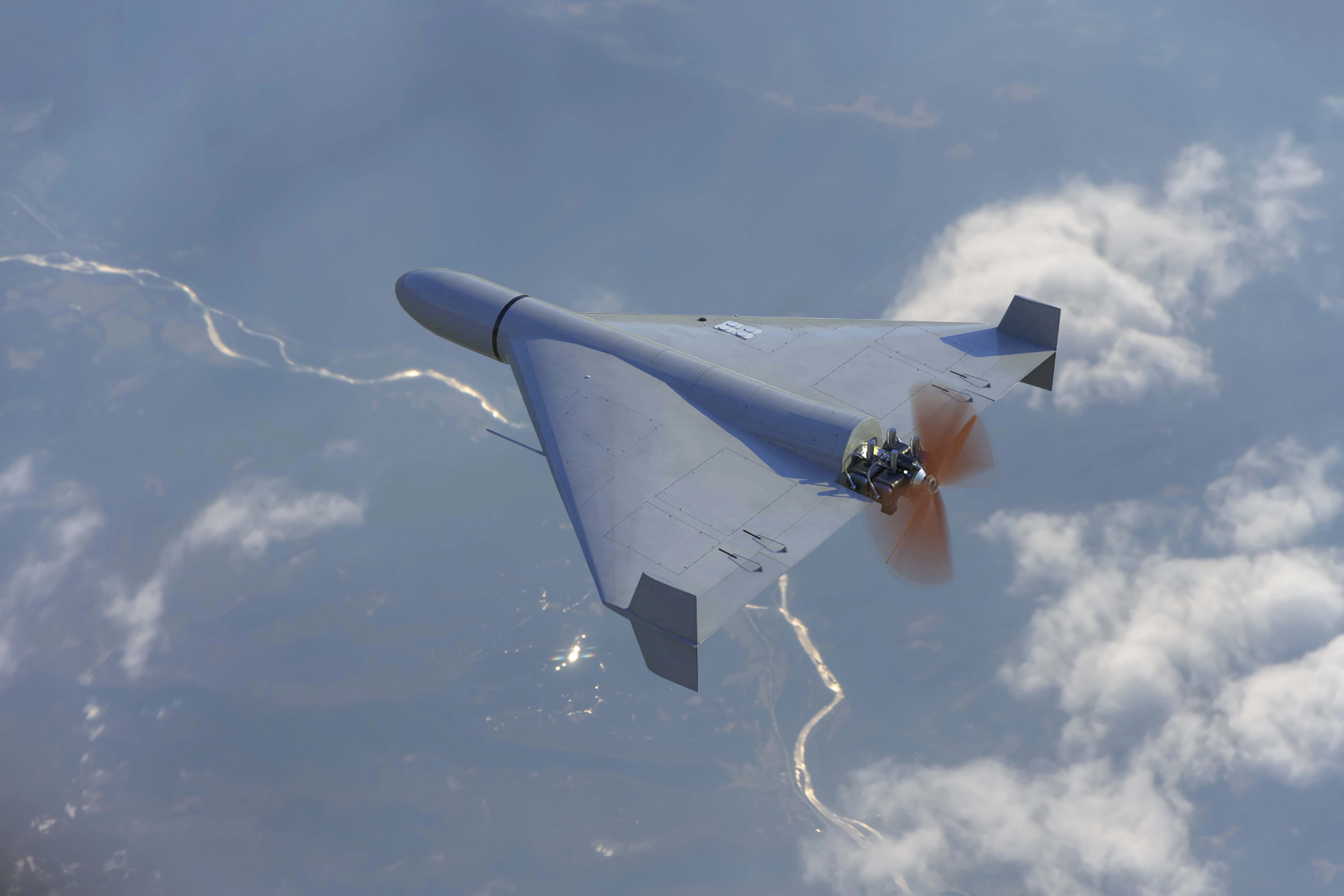
Russia to Double Jet Drone Share as Ukraine Faces 500 km/h New UAV Threat
Russia intends to increase the proportion of jet-powered drones in its attacks on Ukraine to 50%, posing new challenges for Ukrainian air defenses. Ukraine is improving its intercept capabilities, particularly with interceptor drones and upgraded army aviation, and is adapting to counter faster drone threats like the evolving Geran-4. Despite increased Russian drone production, Ukraine maintains a lead in UAV innovation, though neither side has achieved a decisive battlefield advantage through drone warfare.

Lockheed’s new AI system intercepts Shahed-style attack drone
Lockheed Martin successfully intercepted a Shahed-style drone using a JAGM missile launched from a Grizzly containerized system, demonstrating a new counter-UAS kill chain. The system utilizes Lockheed’s Sanctum AI software integrated with Fortem Technologies’ R40 radar. Critically, the entire system was assembled and tested in under 45 days.
Drone warfare in Ukraine: record FPV strike and drone-assault unit doctrine
Ukrainian forces are demonstrating significant advancements in drone warfare, notably achieving a record 103km strike with a standard FPV drone. This success, attributed to pilot skill, drone fleet improvements, and engineering upgrades, highlights a growing capability to strike deep within Russian territory. Ukraine is also developing a new doctrine centered around dedicated 'drone-assault units'.
Hezbollah Imports Ukraine's Fiber-Optic Drone Playbook, And Israel Has No Jammer For It
Hezbollah is effectively employing fiber-optic guided drones, mirroring tactics used in Ukraine, resulting in casualties and damage to Israeli military assets. These drones are largely immune to Israel’s existing electronic warfare (EW) countermeasures, specifically jamming technology. Warnings about this threat were issued in 2024 but were reportedly not adequately addressed.

Europe Needs to ‘Believe and Trust’ in Its Own Defense Capability
Former NATO official Fabrice Pothier urges Europe to develop independent defense capabilities due to perceived waning US commitment. He specifically suggests Poland consider increasing air defense support to Ukraine, arguing it bolsters overall European security. The call for a 'Plan B' reflects growing anxieties about the reliability of US security guarantees.

EU Plans New Sanctions on Chinese Companies Linked to Russian Drones, Shadow Fleet
The EU is preparing a new sanctions package targeting entities in China, UAE, Turkey, and Azerbaijan for supporting Russia's war in Ukraine. These sanctions focus on companies providing drone components, military-related chemicals, and facilitating Russia's 'shadow fleet' for circumventing existing restrictions. The move signals an escalation in EU efforts to disrupt Russia's supply chains and military capabilities.
Defense Ministry reports progress against Hezbollah drones | The Jerusalem Post
The Israeli Defense Ministry reports progress in countering Hezbollah's fiber-optic drone threat, with some systems already deployed and others in development. Efforts focus on a layered defense including detection, interception, and future energy-based weapons. Despite progress, reliable drone interception remains a significant challenge, with current systems achieving less than 50% success rates.
Most important lesson of drone & missile warfare is economic
This article argues that the primary lesson from recent conflicts (Ukraine, Gaza, Iran) is the economic unsustainability of countering drones and missiles with solely active defense systems. It highlights the cost disparity between cheap drones/missiles and expensive interceptors, advocating for a greater focus on passive defense measures. The author specifically addresses the need for India to shift its defense preparedness towards survivability alongside offensive capabilities.
French Defense Ministry tests Orasio’s AI to scan drone and surveillance video for threats in real time - Lavoixdefrance.fr
The French Defense Ministry is trialing AI-powered video analysis tools from French startup Orasio to rapidly process drone and surveillance footage. The trials are being conducted by AMIAD, the Defense Ministry's AI evaluation unit, focusing on automated threat detection like suspicious vehicles or armed individuals. Orasio recently secured $17.3 million in funding and specializes in AI built specifically for video analysis.
Blighter To Supply 4D Multi-Mode Radars to Eastern European Army To Protect Land and Sea Borders From Ground Incursions and Low Flying Drones
Blighter has secured a follow-on contract with an undisclosed Eastern European Army to supply its A800 Mk 2 4D multi-mode radars and BlighterNexus software. The system is designed for border security, specifically countering low-flying drones and ground incursions, with a range of up to 20km. The radar utilizes advanced technologies to detect small, fast-moving targets like FPV, fiber-optic, and Shahed-type drones.