All Articles
Latest articles and analysis on counter-UAS technology and drone warfare

Ukraine Arrests Russian Agents Accused of Plotting Drone Attacks in Odesa
Ukraine's Security Service (SBU) arrested two Russian agents in Odesa who were planning explosive drone attacks on Ukrainian military targets. The suspects were caught with an explosive-laden civilian quadcopter and weapons, and have been charged with treason under martial law.
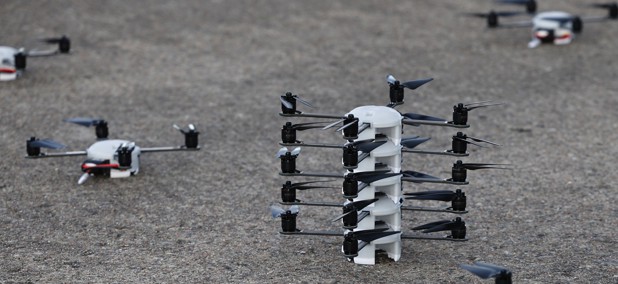
The Pentagon leans into drone swarms with a $100M challenge
The Pentagon has launched the Orchestrator Prize Challenge, offering up to $100 million to develop technologies that enable commanders to control swarms of drones using plain language commands. This initiative aims to integrate autonomous drones from different manufacturers into cohesive, scalable, and human-supervised operations.

Hydrogen-Powered Hybrid Raybird UAV Completes Combat Missions in Ukraine
The hydrogen-powered hybrid version of Skyeton's Raybird UAV has successfully completed combat missions in Ukraine, offering enhanced operational efficiency and long-range reconnaissance capabilities. The platform integrates a hydrogen fuel cell with electric propulsion, providing a 12-hour flight endurance and is undergoing further development for broader military adoption.
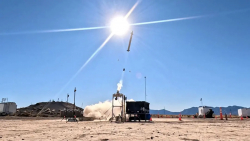
Stinger Replacement: Next-Gen Short-Range Interceptor
The Next-Generation Short-Range Interceptor (NGSRI) is being developed as a replacement for the Stinger missile system, with a focus on countering unmanned aerial systems (UAS). The system is designed to enhance effectiveness against modern drone threats.

New U.S. Navy Missile To Support Hypersonic Strike, Air Defense Roles
The U.S. Navy is developing next-generation missiles with modular propulsion systems to support hypersonic strike capabilities and long-range offensive counter-air missions. This advancement highlights a focus on enhancing both offensive and defensive capabilities in modern naval warfare.
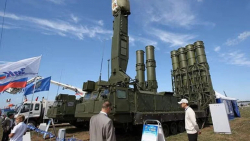
Why Did Venezuela's Air Defense Fail in U.S.' Caracas Raid?
U.S. Special Forces successfully disrupted Venezuelan air defense systems during a raid on Caracas by employing advanced jamming techniques targeting radar and communication networks. This highlights vulnerabilities in Venezuela's air defense infrastructure against electronic warfare tactics.
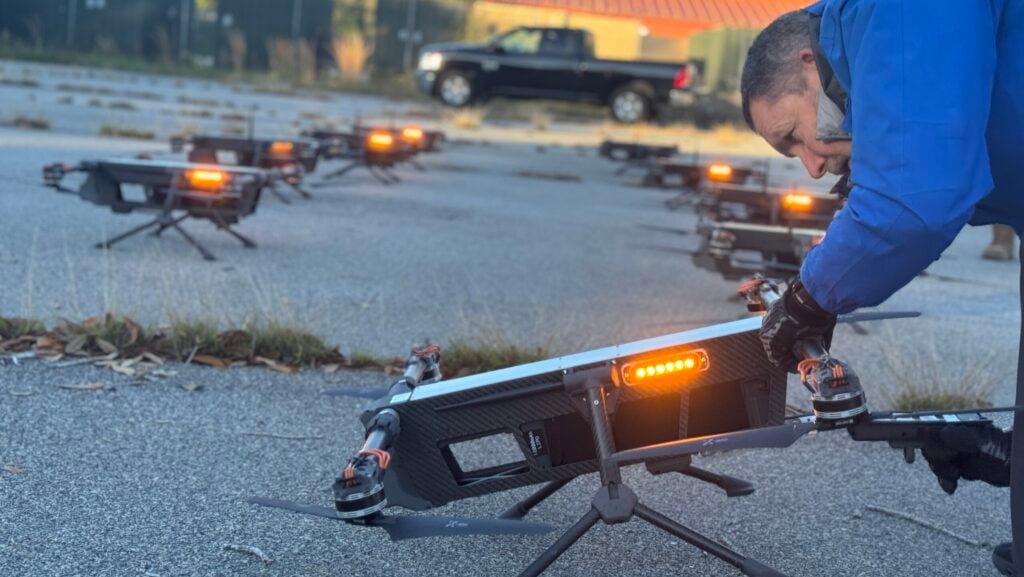
DIU offers $100M in prizes for voice-controlled AI-enabled drone swarm ‘orchestrator’
The Pentagon's Defense Innovation Unit (DIU) has announced a $100 million prize initiative to develop a voice-controlled, AI-enabled 'orchestrator' for drone swarms. This system aims to allow untrained servicemembers to command drone or robotic swarms using plain English commands, simplifying operations and enhancing battlefield adaptability.

NPSA Launches 2026 Counter-UAS Equipment Evaluations for UK Manufacturers
The UK’s National Protective Security Authority (NPSA) has initiated a 2026 Counter-UAS equipment evaluation program, inviting manufacturers and suppliers to participate. This program aims to rigorously test Counter-UAS systems in realistic operational conditions, in collaboration with UK government departments and operational end-users.
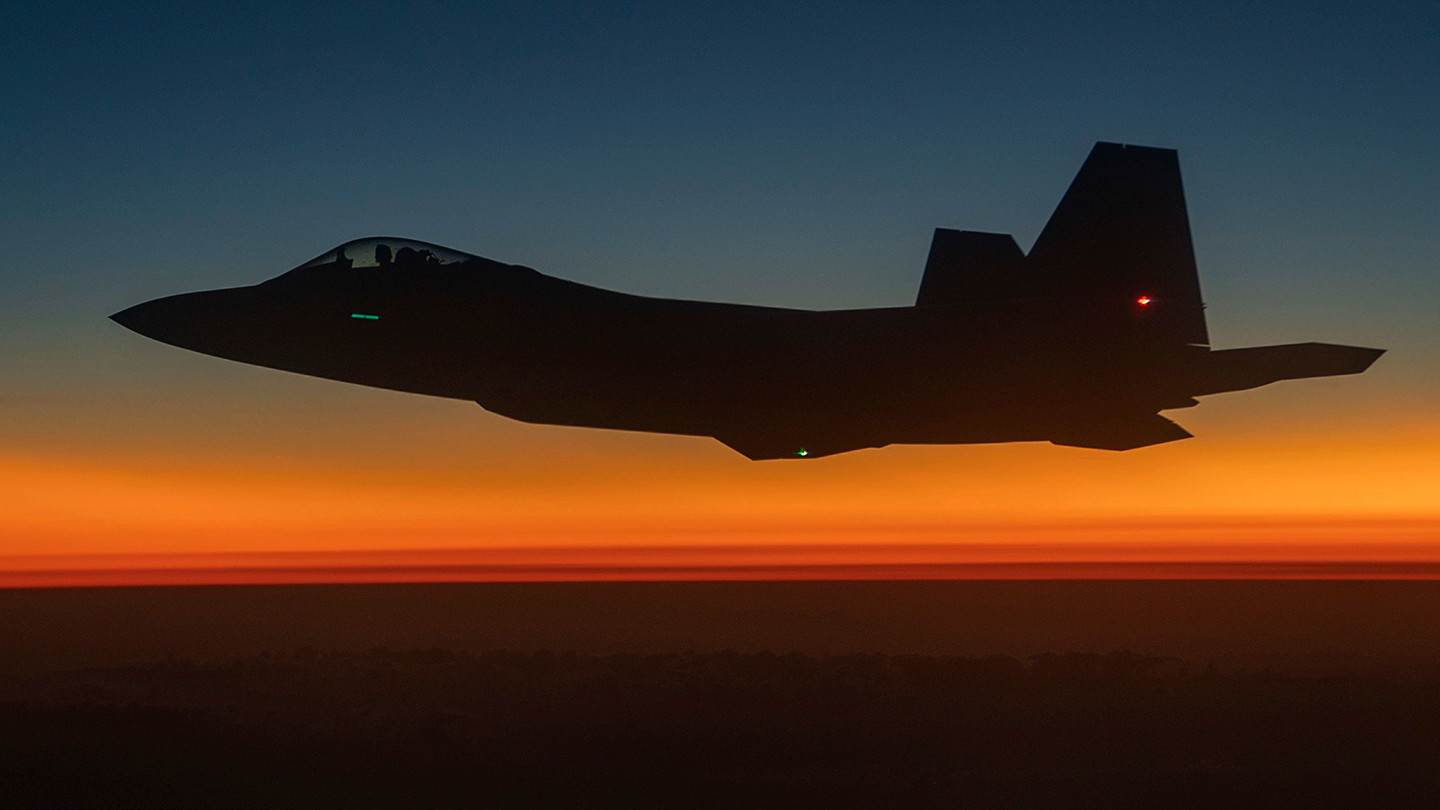
U.S. Was Primed To Destroy Three Venezuelan Airfields If Fighters Attempted To Launch
The U.S. military was prepared to destroy three Venezuelan airfields and navigate through up to 75 air defense sites during Operation Absolute Resolve, a mission to capture Venezuelan leader Nicolas Maduro. The operation involved a significant force of 150 aircraft, including stealth drones, electronic warfare platforms, and special operations helicopters, highlighting the complexity of countering Venezuela's air defense systems.
Over $1 Billion in December Purchases Closes Out Blockbuster ...
December 2025 saw over $1 billion in purchases of counter-UAS technology, marking a significant increase in global demand. Notable contracts included Saab's MSHORAD system for Lithuania, highlighting the focus on mobile air defense solutions.