All Articles
Latest articles and analysis on counter-UAS technology and drone warfare
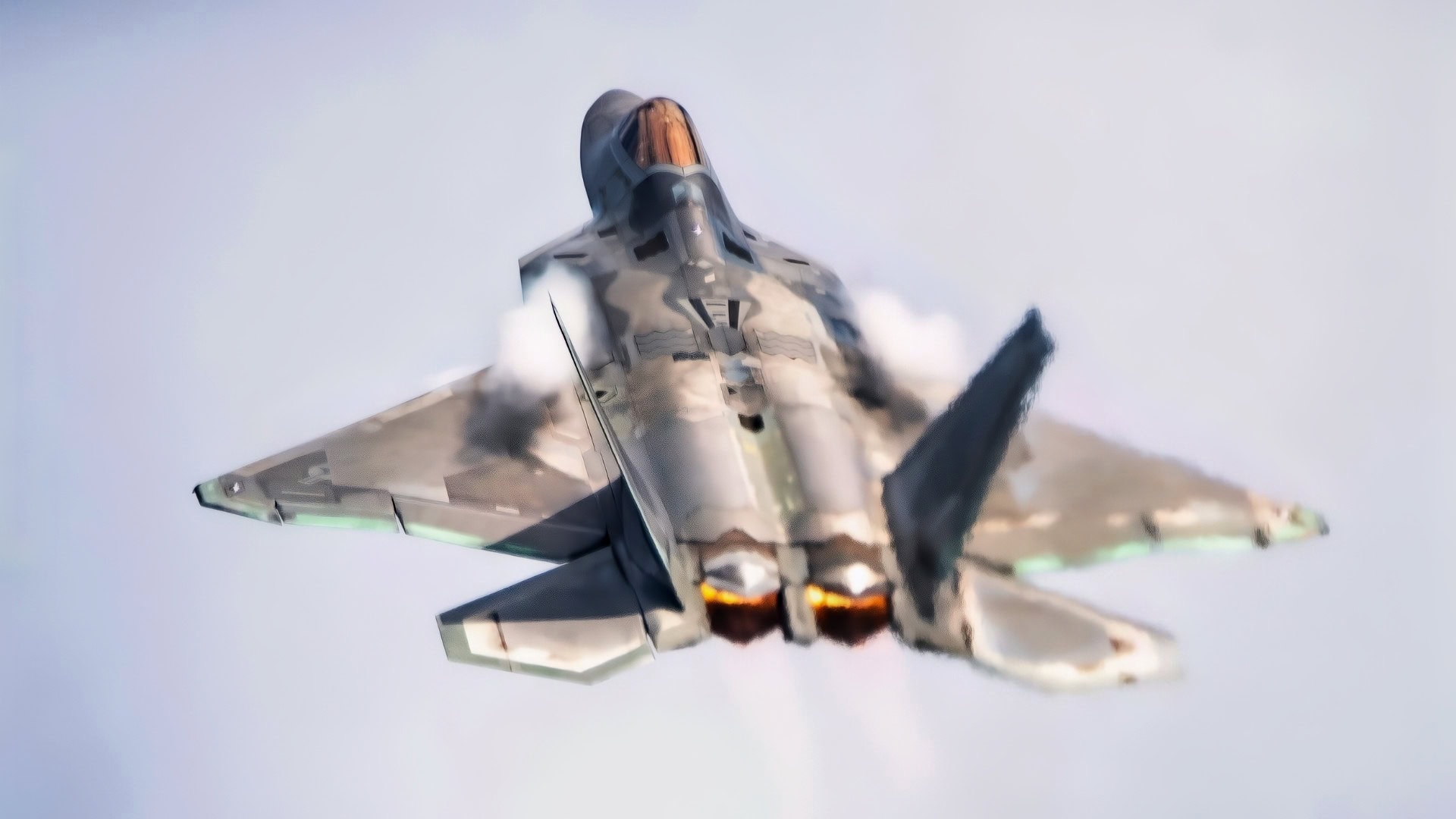
Stealth Fighter Goes Down: $334,000,000 F-22 Raptor Was ‘Shot Down’ By U.S. Navy Electronic Warfare Plane
A U.S. Navy Electronic Warfare (EW) aircraft reportedly 'shot down' a $334 million F-22 Raptor during a training exercise. The incident highlights vulnerabilities even in advanced stealth aircraft and the growing sophistication of EW capabilities. Details surrounding the 'downing' remain limited, but suggest a successful demonstration of EW tactics against a high-value asset.

A U.S. Air Force B-52 Bomber Pilot Once Told An Aircraft Carrier to Look Down — The Bomber Was below The Flight Deck
This article details the B-52 Stratofortress's Cold War-era development of low-level flight techniques to evade Soviet air defenses. These techniques allowed the B-52 to fly below radar coverage, even below the flight decks of aircraft carriers. The skills remain relevant today, demonstrating the aircraft's adaptability.

The war in Ukraine has become the world's largest live test of autonomous drone warfare — and what both sides have learned in four years is quietly rewriting how every military on Earth thinks about the future of combat
The Ukraine war is serving as the largest live test of autonomous drone warfare, rapidly accelerating doctrinal shifts in military strategy worldwide. Both Ukraine and Russia have dramatically scaled drone production and deployment, transitioning from reconnaissance to offensive roles, and increasingly treating drones as expendable munitions. Emerging AI-powered autonomous drones, like Ukraine's 'Saker Scout,' represent a potential breakthrough in autonomous targeting.
52d ADA BDE assesses IonStrike interceptors to support EFDI | Article | The United States Army
The 52d Air Defense Artillery Brigade is evaluating DZYNE Technologies’ IonStrike, a low-cost kinetic interceptor, for integration into existing air defense systems like FAAD and IBCS-M. Testing focuses on its suitability for the Eastern Flank Deterrence Initiative (EFDI) and countering one-way attack drones (OWAD) in Europe. A follow-on operational assessment is planned for this summer.
The Iran problem won’t be solved without a counter-drone coalition - Atlantic Council
The article argues that a solely kinetic, interceptor-based counter-drone strategy against Iran is unsustainable due to cost and Iran's ability to rapidly produce low-cost drones. It highlights Iran's asymmetric warfare strategy utilizing drones and missiles to impose economic and political costs on adversaries. The author advocates for diversifying counter-drone capabilities with non-kinetic methods like nets, high-powered microwaves, lasers, and electronic warfare.
Iran’s Drone Strategy (Part 2): Preventing Postwar Rebuilding and Advancements | The Washington Institute
This report assesses that despite damage from recent conflict, Iran retains the capacity to rapidly rebuild its drone program, potentially emerging with more advanced capabilities within 6-12 months. The key to preventing this lies in disrupting Iran’s decentralized drone ecosystem – including academic institutions, dual-use suppliers, and foreign procurement networks – rather than solely focusing on destroying physical infrastructure. The report advocates for a comprehensive counter-drone strategy encompassing intelligence operations, sanctions, export controls, and direct confrontation of foreign assistance from Russia and China.
AI Drones in Ukraine: The Rise of Autonomous Weapons — The AI Chronicle
The conflict in Ukraine is accelerating the development and deployment of AI-powered autonomous drones capable of bypassing electronic warfare and completing strikes without human intervention. These drones are evolving from targeting military hardware to potentially enabling targeted assassinations via facial recognition. This represents a significant escalation in drone warfare and challenges existing international legal frameworks.
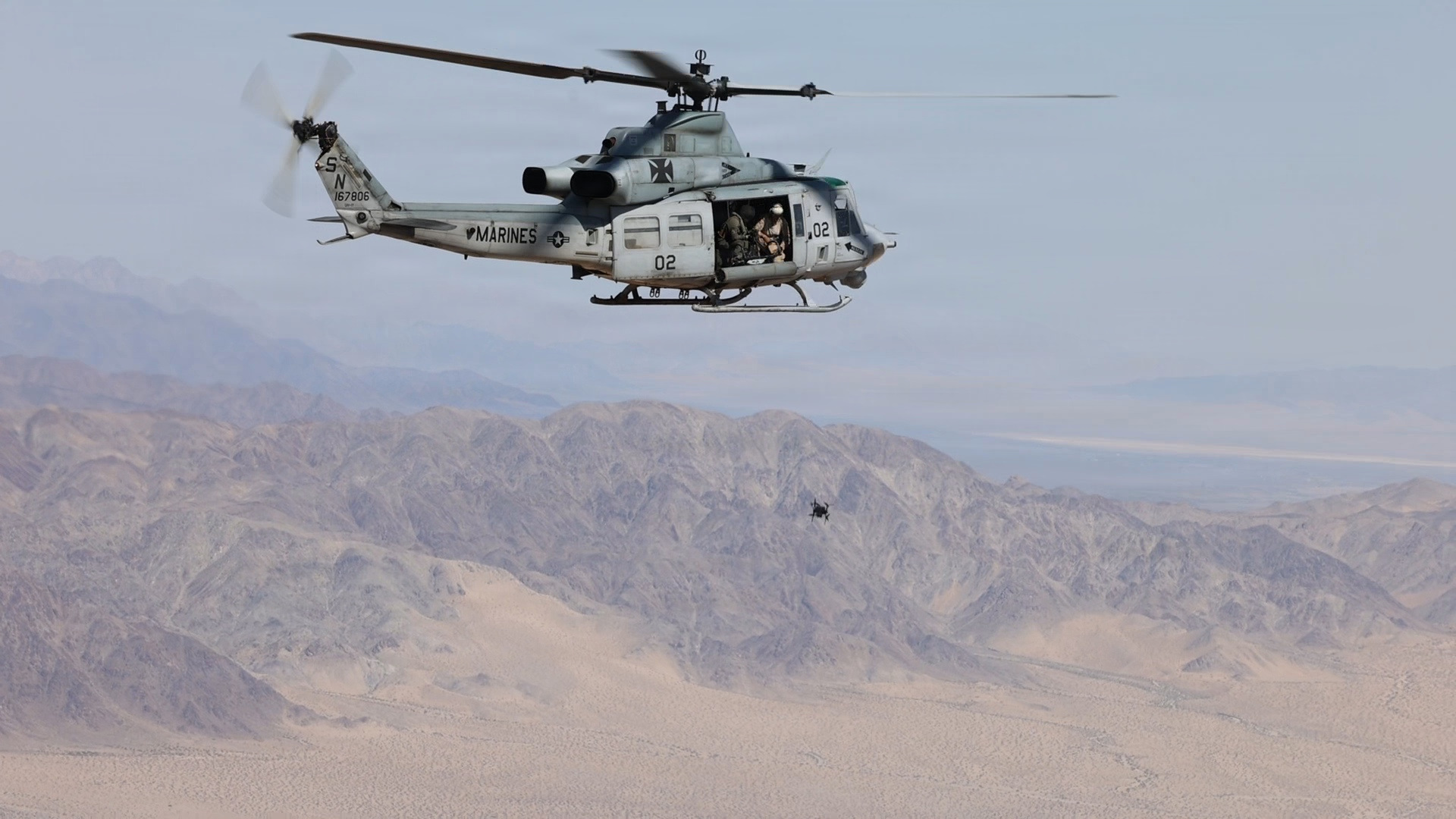
US Marine Corps tests using helicopter as mobile drone command center
The US Marine Corps is experimenting with using helicopters (UH-1Y Venom) as mobile command centers for small, commercially available FPV drones (Neros Archer). This involves launching drones from the ground and then transferring control to operators within the helicopter, extending the drone's operational range. The initiative aims to integrate low-cost drones into existing aviation operations and leverage their capabilities.
US Marine Corps tests using helicopter as mobile drone command center
The US Marine Corps is experimenting with using helicopters (UH-1Y Venom) as mobile command centers for small, commercially available FPV drones (Neros Archer). This involves launching drones from the ground and then transferring control to operators inside the helicopter, extending the drone's operational range. The Corps has rapidly expanded its FPV drone inventory, fielding over 3,500 units.
US Marine Corps tests using helicopter as mobile drone command center
The US Marine Corps is experimenting with using helicopters (UH-1Y Venom) as mobile command centers for small, commercially available FPV drones (Neros Archer). This involves launching drones from the ground and then transferring control to operators inside the helicopter, extending the drone's operational range. The Corps has rapidly expanded its FPV drone inventory to over 3,500 units.