Russian Attack Used 35,000 Foreign Components
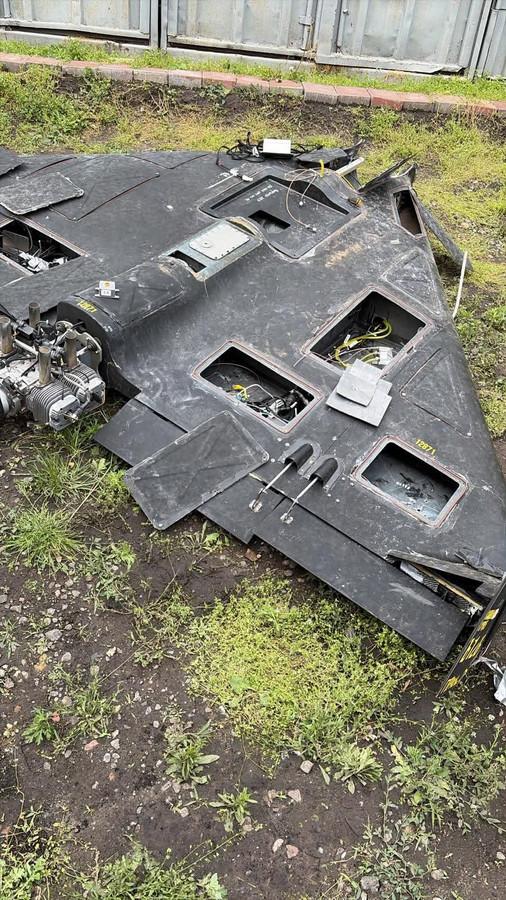
AI Analysis
A recent Russian aerial assault on Ukraine utilized approximately 35,000 foreign-made components, despite existing sanctions. These components, sourced through intermediary supply chains, are primarily dual-use or civilian products from companies in the US, Europe, and China. Ukrainian officials are urging stricter export controls and supply chain oversight to limit Russia’s access to critical technologies.
Key Takeaways
- The attack involved 570 aerial weapons (496 drones, 74 missiles).
- Components were sourced from companies including Texas Instruments, Analog Devices, Intel, AMD, STMicroelectronics, Infineon, NXP, Murata, Bosch, Toshiba, Raspberry Pi, and Chinese manufacturers.
- Russia employs intermediary procurement networks to circumvent sanctions and acquire these components.
- Current sanctions are having *some* effect, but are insufficient to fully restrict Russia's access.
- Ukraine is requesting manufacturers and governments to enhance due diligence on high-risk customers and supply chains.
Why It Matters
This highlights a critical vulnerability in the sanctions regime against Russia – the reliance on globally sourced, dual-use components. The continued availability of these components allows Russia to sustain its drone and missile production, prolonging the conflict and increasing the risk to civilian populations. Addressing these supply chain loopholes is crucial for effectively degrading Russia’s military capabilities.
Russia’s overnight missile and drone attack on Ukraine involved approximately 35,000 foreign-made components, highlighting persistent gaps in international export controls despite Western sanctions, Ukraine’s presidential commissioner for sanctions policy Vladyslav Vlasiuk said on Thursday, July 2.
According to a Facebook post by Vlasiuk, the components found in the drones and missiles used during the overnight assault were largely dual-use or civilian products manufactured by companies around the world before being diverted to Russia through intermediary procurement networks.
Follow our coverage of the war on the @Kyivpost_official.
“Behind every such attack stands not only Russia’s military-industrial complex,” Vlasiuk wrote. “These drones and missiles contain 35,000 foreign components.”
He said the parts included products manufactured by companies such as Texas Instruments, Analog Devices, Intel, AMD, STMicroelectronics, Infineon, NXP, Murata, Bosch, Toshiba and Raspberry Pi, as well as Chinese manufacturers.
According to Vlasiuk, Russia acquires the components through networks of intermediaries before they are ultimately delivered to Russian defense enterprises for use in missile and drone production.
Vlasiuk urged both manufacturers and governments to strengthen oversight of supply chains, arguing that repeated discoveries of foreign-made components in Russian weapons should prompt stricter export control measures.
“If tens of thousands of your components are regularly found in Russian missiles and drones, that alone should be enough to review your control systems, distribution channels and work with high-risk customers,” he wrote.
The sanctions official acknowledged that international restrictions have already reduced Russia’s access to a number of critical technologies, but said current measures remain insufficient.
“We do see positive results from sanctions and export controls. Russia can no longer obtain many components. But this is still not enough,” Vlasiuk said.
He warned that as long as Russia continues to source thousands of critical foreign-made components, it will retain the ability to manufacture missiles and drones used in near-nightly attacks on Ukrainian cities.
Russia launched one of its largest aerial assaults of the war overnight, firing 570 aerial weapons, including 496 drones and 74 missiles, according to Ukraine’s Air Force. Ukrainian officials said the attack killed at least 27 people and injured more than 50 others in Kyiv.
Kyiv Post is Ukraine’s first and oldest English news organization, reporting since 1995. Its international reach – 97% of readers are outside of Ukraine – make it truly Ukraine’s global voice.