Western-Made Components Discovered in Russian Drones
AI Analysis
Ukrainian officials report continued discovery of newly manufactured (2025) Western components within Russian drones used in attacks on Ukraine, indicating ongoing sanctions evasion. Components originate from Germany, Japan, Switzerland, the USA, Taiwan, and the UK, including a newly identified 'Transit Brd activation module'. Ukraine is actively working with partners to close supply channels and is expanding sanctions targeting Russia’s energy sector.
Key Takeaways
- Russian drones continue to utilize Western-made components despite existing sanctions.
- Components from STMicroelectronics (Switzerland) are repeatedly found in Russian weapons systems.
- Ukraine reports a decrease in components originating from the Netherlands in newer Russian drone models, suggesting some sanctions enforcement success.
- Ukraine is implementing 'long-range sanctions' targeting Russia’s energy sector, estimating $7 billion in losses this year.
- A new component, 'Transit Brd activation module', has been identified in Russian drones.
Why It Matters
The continued access to Western technology allows Russia to sustain and potentially increase drone production, impacting the battlefield in Ukraine. This highlights vulnerabilities in existing sanctions regimes and the need for stricter export controls and enforcement mechanisms. Successful disruption of these supply chains is critical to degrading Russia’s military capabilities and limiting its war funding.
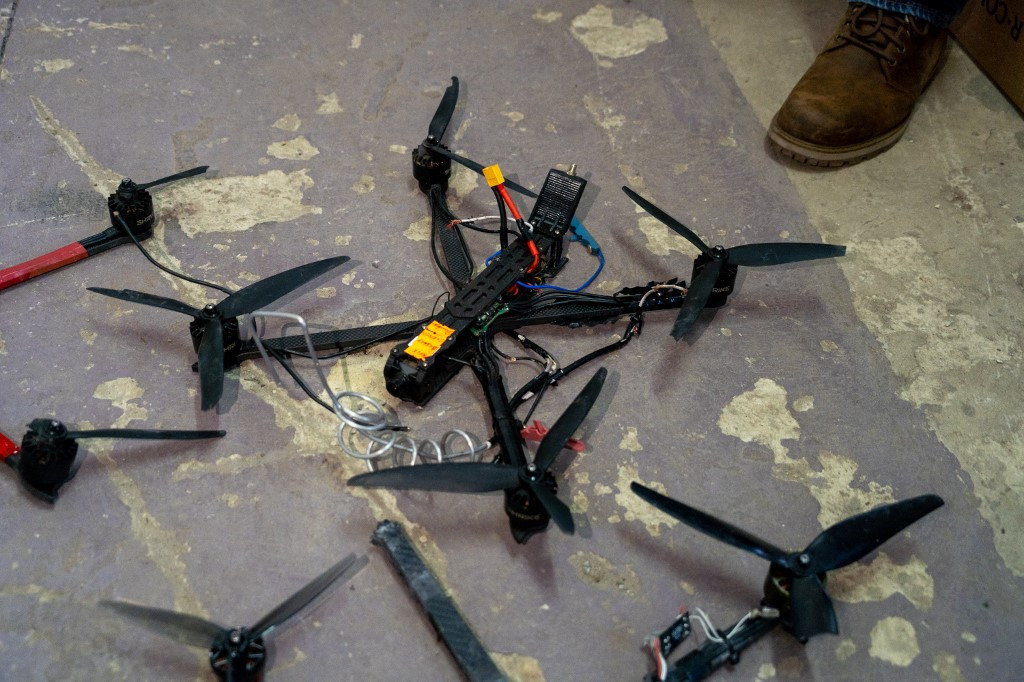
Ukraine continues to discover new Western‑made components produced in 2025 inside Russian drones used to attack Ukrainian cities, highlighting ongoing sanctions evasion and the need to strengthen international pressure on Moscow, a Ukrainian presidential official said on Friday.
Presidential Commissioner for Sanctions Policy, Vladyslav Vlasiuk, said that Russia has not reduced the intensity of its attacks in recent days, striking cities including Odesa, Dnipro, Vinnytsia, Ternopil and Kharkiv, Ukrinform reported.
Follow our coverage of the war on the @Kyivpost_official.
“Notably, in the drones that attacked Ukraine last week, we are again finding new, fresh components from 2025 manufactured in Germany, Japan, Switzerland, the USA, as well as Taiwan and the United Kingdom,” Vlasiuk said.
According to the presidential commissioner, investigators identified a new component, known as a Transit Brd activation module, which has not previously been recorded in Russian drones.
Vlasiuk said Ukraine has already shared detailed information about the components with its international partners and continues to work with them to close supply channels.
He added that components from STMicroelectronics of Switzerland continue to be found in Russian weapons systems, despite repeated calls to tighten oversight of where such products are sold.
Vlasiuk stressed that Russia’s continued access to Western technology demonstrates the need to constantly strengthen sanctions pressure, even as some existing measures show results.
At the same time, he said there is progress, noting that components from the Netherlands have become rare in newer Russian drone models, which he said proves coordinated efforts with partners can be effective.
The official said Ukraine is expanding so‑called long‑range sanctions, which he estimated have already cost Russia at least $7 billion this year.
Ukraine is also working to identify critical equipment for oil refineries and pumping stations, aiming to block its export to Russia and weaken the energy sector that finances the war, Vlasiuk said.
“The approach is simple: cut off access to technologies used in warfare and simultaneously reduce the resources that fund it,” he added.
Earlier, President Volodymyr Zelensky said Ukraine’s targeted sanctions against Russia’s oil and refining sector have also caused losses of at least $7 billion since the start of the year.
Kyiv Post is Ukraine’s first and oldest English news organization since 1995. Its international market reach of 97% outside of Ukraine makes it truly Ukraine’s Global – and most reliable – Voice.