Drone Attack on Moscow Triggered Sharp Rise in Anti-War Views Across Russia
AI Analysis
A significant drone attack on Moscow triggered a 235% increase in anti-war sentiment across Russia, as evidenced by online discussions. Concerns regarding potential mobilization and fuel shortages also sharply rose following the attack. This indicates a potential shift in public perception and increased domestic pressure on the Kremlin.
Key Takeaways
- Ukraine’s drone attack on Moscow (specifically the Moscow Oil Refinery on June 18th) served as a catalyst for increased anti-war discussion.
- Online anti-war sentiment across Russia increased by 235% in the week following the attack, spreading to three new regions.
- Criticism of Russian authorities and doubts about the effectiveness of air defenses are growing among the Russian populace.
- Mentions of mobilization increased by 324-537%, indicating public anxiety about potential future recruitment drives.
- Discussions about fuel shortages and the impact of sanctions rose by 133%, highlighting potential economic vulnerabilities and public discontent.
Why It Matters
The increased domestic unrest poses a challenge to Kremlin stability and could impact Russia’s war effort. A perceived failure of air defenses to protect the capital is particularly damaging to public trust and may necessitate resource reallocation to improve air defense capabilities. This event demonstrates the psychological impact of drone strikes, even if limited in material damage, on a nation's internal stability.
Anti-war sentiment across Russia’s regions increased by 235% in the week following Ukraine’s largest drone attack on Moscow since the start of the full-scale war, according to a new study that tracked online discussions across the country.
The research, conducted by the NGO Join Ukraine, analyzed 41,883 posts published over the past week across more than 410 regional Telegram channels and 383 Vkontakte communities spanning all of Russia’s federal districts, as well as occupied Crimea and parts of the Donbas. The posts generated a combined 594 million views.
Follow our coverage of the war on the @Kyivpost_official.
According to the report, the turning point came after the June 18 drone strike on the Moscow Oil Refinery. Researchers said reposts of anti-war content rose by 235% over the following week, while discussions spread to three additional Russian regions.
The study also found growing criticism of the Russian authorities. Users questioned official accounts of the attacks, doubted claims about the effectiveness of Russia’s air defenses and accused the government of failing to protect civilians.
“Why should I suffer because of this? Why aren’t they shooting them down?”
That was among the reactions posted by Russian social media users after one of the largest Ukrainian drone attacks on Moscow and the surrounding region this year.
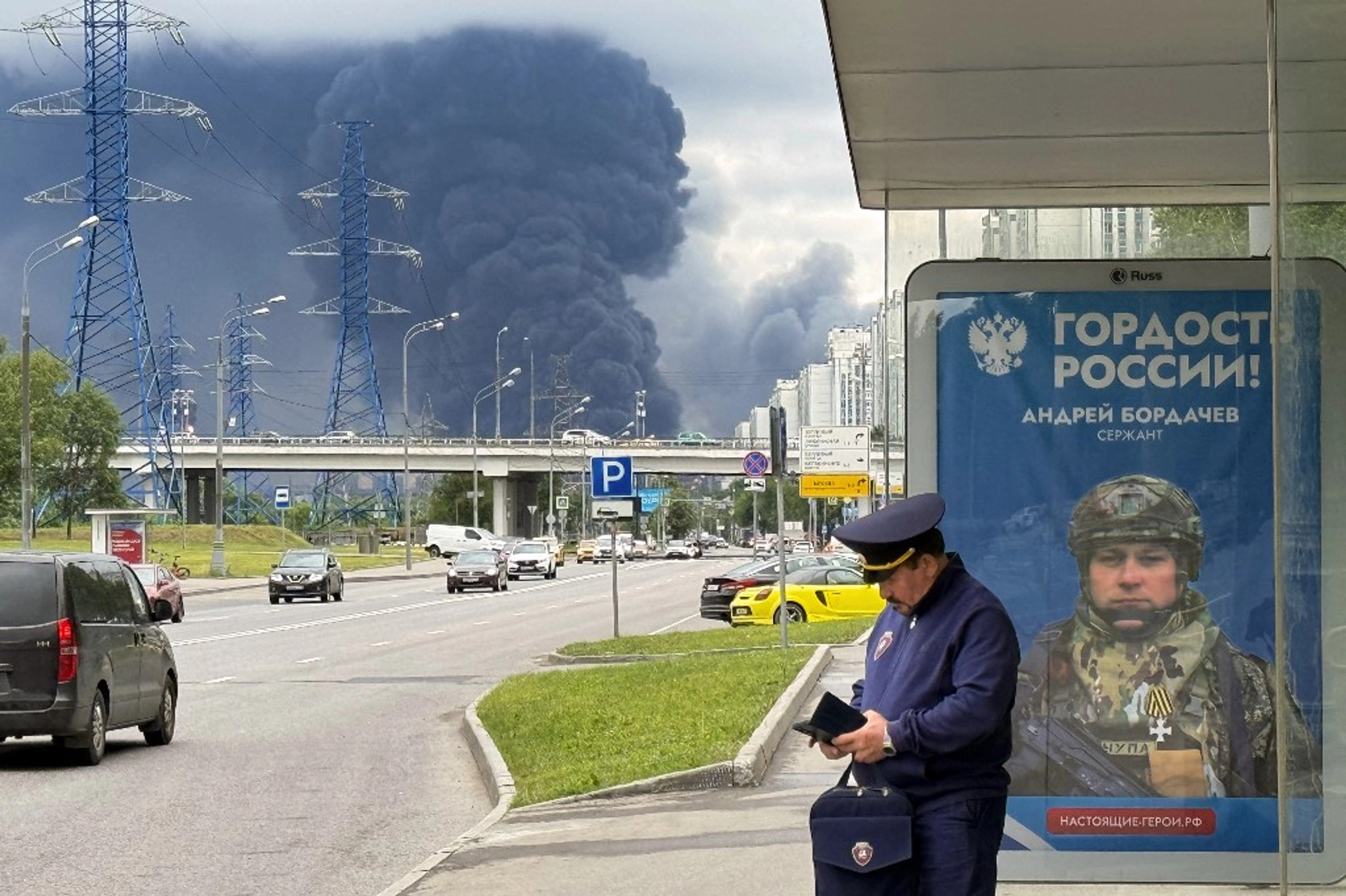
The strike, which Russian authorities said involved hundreds of drones, hit targets in Moscow and the Moscow region. Fires were reported near the Moscow Oil Refinery in Kapotnya, a facility supplying a significant share of the capital’s fuel market. Airports across Moscow temporarily suspended operations, while thick black smoke was visible from several parts of the city.
“Our monitoring shows that strikes on Russia’s rear regions are changing not only the information agenda but also Russians’ perception of the war,” analyst Yuliia Yelenich of Join Ukraine said.
“As long as the fighting remains far away, it is easier to ignore or view it through the lens of propaganda. But when drones reach Moscow or other major cities, Russians begin thinking about their own safety, questioning the authorities, critically evaluating official statements and demanding an end to the war,” she said.
The report also identified sharp increases in two other issues affecting domestic stability.
Mentions of mobilization increased by between 324% and 537%, with users discussing possible new military recruitment campaigns, reports of draft raids and expressing reluctance to serve.
Meanwhile, posts about fuel shortages and the impact of sanctions rose by 133%. Regional discussions described empty gas stations, fuel purchase limits, long queues and expectations of further price increases.
Kateryna investigates today's most important topics, from geopolitical challenges and defense strategies to stories that change the course of events. She explores the secrets of Ukraine's intelligence services and shows the hidden side of global events. Her passion is uncovering secrets that change history. Born and lives in Kyiv.