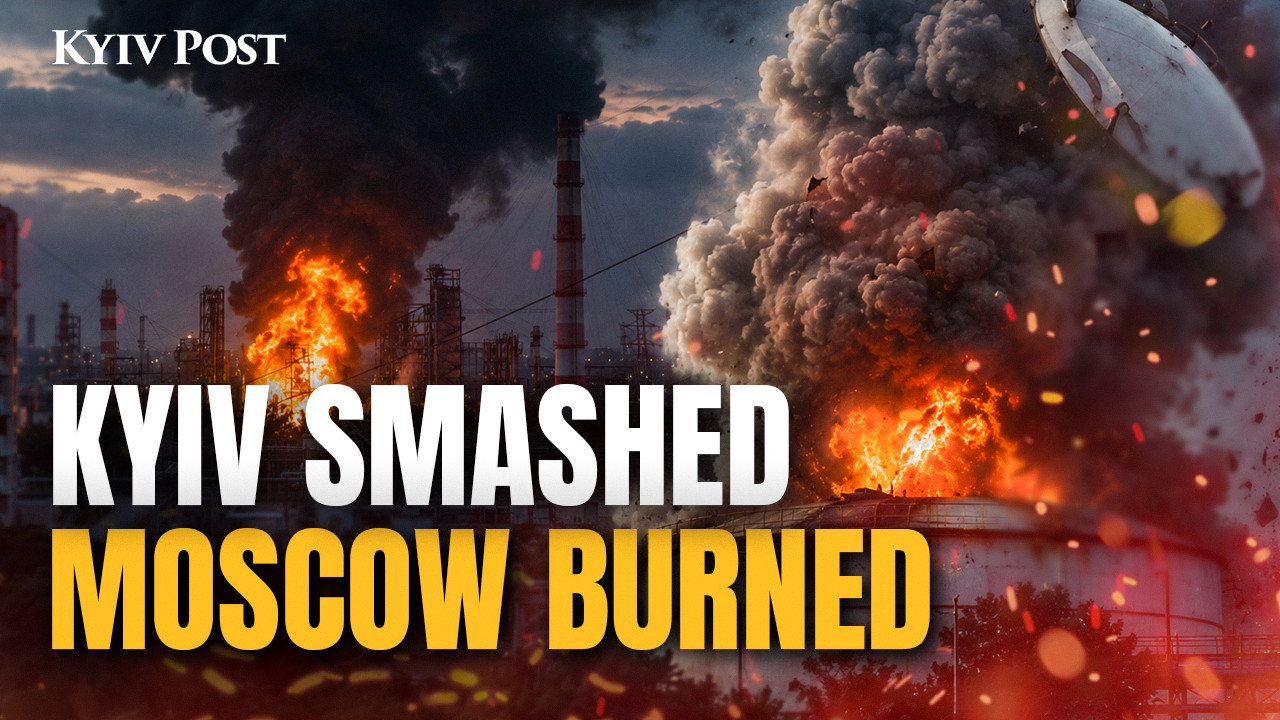
The Day Moscow Burned: Inside Ukraine’s Massive 500-Drone Strike
AI Analysis
Ukraine conducted a large-scale drone strike on Moscow, employing approximately 500 drones in a coordinated, multi-wave attack. The primary target was the Moscow Oil Refinery in Kapotnya, resulting in significant damage – a 47% reduction in processing capacity. This operation demonstrates Ukraine's growing capability to penetrate Russian air defenses and strike critical infrastructure within Russia.
Key Takeaways
- Ukraine launched up to 500 drones (strike and decoy) against Moscow in a 90-minute operation.
- The Moscow Oil Refinery in Kapotnya sustained critical hits, reducing its processing capacity by approximately 47%.
- The attack saturated Moscow’s air defense network, indicating a successful tactic of overwhelming defenses.
- The strike followed a Russian attack on the Kyiv Pechersk Lavra, suggesting a retaliatory motive.
- Ukraine is demonstrating a repeatable capability to strike within Russia, raising concerns about escalation potential.
Why It Matters
This strike highlights a significant shift in the conflict, demonstrating Ukraine's ability to project power deep into Russian territory. The damage to the refinery impacts Russia's logistical capacity and potentially its war effort. The success of this operation will likely encourage further attacks on Russian infrastructure and necessitate improvements to Russian air defense systems.
The big Ukraine war story isn’t the front lines – it’s the capital of Russia.
Following a brutal Russian “double tap” strike on Kyiv that damaged the historic 17th-century Kyiv Pechersk Lavra, Ukrainian President Volodymyr Zelensky gave a single-word warning: “Wait.” The wait was brief.
Follow our coverage of the war on the @Kyivpost_official.
In a highly coordinated, multi-wave operation, Ukraine launched up to 500 strike and decoy drones, completely saturating Moscow’s air defense network over a 90-minute period.
The primary target, the Moscow Oil Refinery in Kapotnya, suffered critical hits, knocking out roughly 47% of the capital’s petroleum processing capacity.
In this analytical breakdown, we parse the orchestration behind the largest drone raid of the war, examine the Kremlin’s public relations panic as Muscovites flooded social media with interception failures, and explore the “middle strike” campaign cutting off occupied Crimea.
Ukraine is proving a repeatable capability: if they can do this with 500 drones, what happens when the number is higher?