Ukraine Calls on Allies to Expand Support for Air Defense, Drones and Artillery
AI Analysis
Ukraine is actively bolstering its domestic drone and missile production while requesting increased air defense support (specifically Patriot PAC-3 systems) and long-range artillery from allies. A new incentive program, 'Army of Drones Bonus,' is tracking and rewarding drone strike successes, and Ukraine plans to begin exporting defense technologies. These efforts aim to counter Russian advantages in ballistic missiles and guided bombs and maintain battlefield initiative.
Key Takeaways
- Ukraine urgently requires Patriot PAC-3 interceptor missiles, but Lockheed Martin faces production challenges.
- Drones account for approximately 25% of Ukrainian strikes, highlighting their increasing importance.
- The 'Army of Drones Bonus' (eBaly) platform incentivizes and tracks drone warfare effectiveness.
- Ukraine anticipates record drone production in 2026 with sufficient funding.
- Ukraine is reforming its military structure, significantly increasing infantry soldier salaries to improve retention and combat effectiveness.
Why It Matters
Ukraine's ability to sustain and expand its drone warfare capabilities is crucial for offsetting Russia's quantitative advantages. The reliance on external air defense support, particularly the Patriot system, demonstrates a critical vulnerability and highlights the need for consistent allied commitment. Ukraine’s move to export defense technologies signals a growing domestic industry and potential for future regional influence.
Ukraine is strengthening its military technology and battlefield capabilities while urging allies to scale up support in three critical areas: air defense, drone and missile production, and long-range artillery.
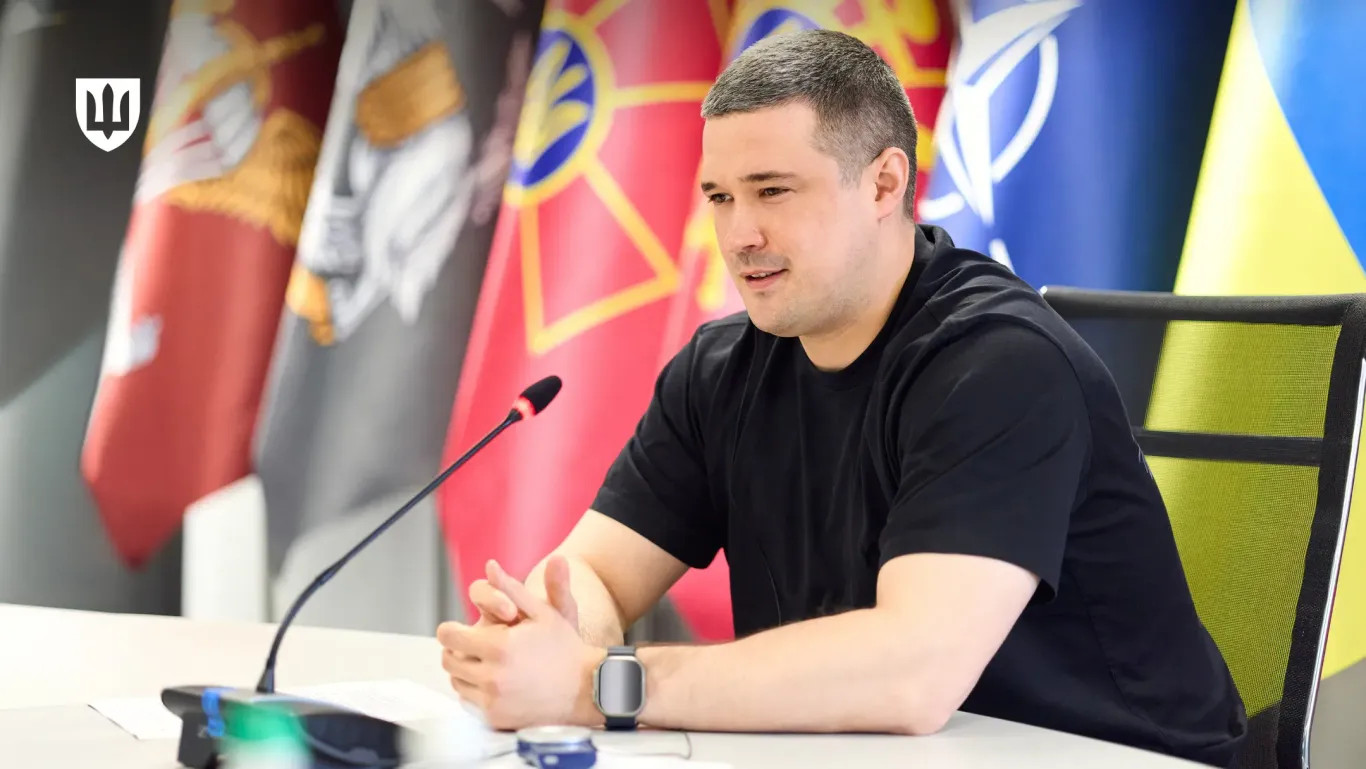
Defense Minister Mykhailo Fedorov announced the measures on Wednesday, during his speech at the RUSI Land Warfare Conference alongside NATO military officials, government representatives, and UK defense technology experts.“There are two main challenges for us,” Fedorov said, “ballistic missiles and guided bombs. Together with our partners, we are working to deprive Russia of this advantage.”
Follow our coverage of the war on the @Kyivpost_official.
He highlighted Ukraine’s current urgent need for expanded access to Patriot missiles, particularly PAC-3 systems, under the Prioritized Ukraine Requirements List (PURL).
US missile manufacturer Lockheed Martin warned earlier in June that it cannot guarantee delivery timelines for Patriot PAC-3 interceptor missiles despite plans to sharply increase production. The shortage is already affecting Ukraine, which relies heavily on the systems to counter ballistic missile threats.
Ukraine has made measurable progress countering air threats through what Fedorov described as “small air defense.”
“Drones play a key role,” Fedorov said.
Unmanned systems now account for striking approximately every fourth target at the front, according to the Defense Ministry.
Ukraine is scaling production and developing new systems – including the “Baliv” platform, also known as the Army of Drones Bonus or “eBaly” – in an effort to outpace Russian technology at each phase of the war. The system is a digital incentive platform that tracks verified drone strikes and rewards units with points redeemable for equipment such as drones.
The year 2026 is expected to be a record year for drone production, Fedorov said, with potential for further expansion if additional funding is secured.
Fedorov also revealed that Ukraine plans to begin exporting certain defense technologies to strategic partners for the first time, signaling growing confidence in its domestic defense industry.
On the ground, Ukrainian forces are increasing pressure on Russian targets, including critical infrastructure such as oil refineries, while continuing to refine strike capabilities.
Another pressing need is long-range artillery ammunition, particularly shells capable of reaching distances of at least 30 kilometers (roughly 18.6 miles). Increased supply in this area, alongside improvements in air defense and drone capabilities, is considered vital for maintaining battlefield initiative.
Beyond equipment, Ukraine is also reforming its military structure, introducing a new contract system with clearer service terms, improved compensation and streamlined transfer mechanisms, aimed at strengthening infantry and assault units.
Infantry soldiers will now receive an average salary of HR.300,000 per month (approximately $6,689), consisting of a basic rate of HR.20,000 (about $446), plus additional rewards on the principle of “10/20/40” basis.
Fedorov said accelerating support across these areas would not only strengthen Ukraine’s defense but bring the country closer to a sustainable peace.
Nina Savić is a Cultural Studies graduate with a strong focus on critical analysis of discourse and media. She is particularly drawn to stories and perspectives often overlooked or erased by mainstream narratives, and is passionate about giving a voice to those pushed to the margins.