Russia Turns to India for Gasoline as Drone Strikes Cut Output by 25%
AI Analysis
Ukrainian drone strikes have significantly impacted Russian oil refinery output, decreasing production by 25% and creating a substantial gasoline deficit. Russia is responding by seeking gasoline imports from India, supported by proposed tax subsidies, and is experiencing tightening aviation fuel supplies. This situation is prompting fuel substitution and localized sales restrictions.
Key Takeaways
- Ukrainian drone strikes have damaged at least 22 Russian oil refineries in May and June, causing significant production losses.
- Russia is preparing to import gasoline from India, leveraging existing crude oil trade relationships.
- Proposed tax amendments will subsidize gasoline imports to mitigate rising domestic fuel prices.
- Aviation fuel supplies are dwindling, leading to the substitution of automobile gasoline for aviation use and sales limits.
- The gasoline deficit is approximately 20% of domestic demand, with a daily shortfall of roughly 25,000 tons.
Why It Matters
The disruption to Russia’s fuel supply chain, achieved through relatively low-cost drone attacks, demonstrates the vulnerability of critical infrastructure and its impact on economic stability. This situation could constrain Russian military logistics and industrial output, potentially impacting the war effort. The reliance on Indian imports highlights a shift in Russia's energy dependencies.
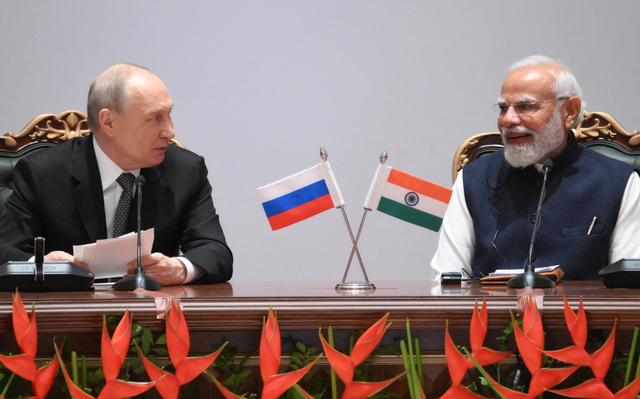
Russia is preparing to launch large-scale gasoline imports from India, amid growing domestic fuel shortages caused by a wave of Ukrainian drone strikes on critical oil refineries. In a sign of mounting pressure, Russia has already turned to seaborne gasoline imports.
According to RBC, draft amendments to Russia’s Tax Code would introduce budget subsidies for oil companies importing gasoline from abroad, extending an existing mechanism introduced eight years ago to keep retail fuel prices in check.
Follow our coverage of the war on the @Kyivpost_official.
Under the proposed rules, the subsidy would be calculated based on an indicative gasoline price on the Indian market and the cost of shipping fuel from Indian ports to Russia. The State Duma’s budget and tax committee has backed the bill, with a source telling RBC it could pass its second and third readings as early as Wednesday.
India became Russia’s largest buyer of crude after the start of the full-scale invasion of Ukraine, purchasing between 1.5 and 2 million barrels (approximately 238.48 million liters to 318.35 million liters) per day in 2025, reaching a record of 2.66 million barrels (roughly 423 million liters) per day in June 2026. A portion of that crude is processed in Indian refineries and re-exported as petroleum products, including gasoline.
According to Reuters citing Wood Mackenzie, estimated Indian gasoline exports hit a record 400,000 barrels (roughly 6.36 million liters) per day in 2025, with Asian countries among the primary buyers.
Indian gasoline contains around 20% ethanol – roughly double Russia’s permitted standard, which was raised to 10% last year, following a series of Ukrainian attacks on Russian refinery infrastructure.
Strikes on Russian refineries have intensified sharply in 2026, with 16 facilities reportedly struck in May, and at least 6 more in June, adding to the fuel crisis.
The cumulative damage has pushed Russia’s crude processing volumes to their lowest point in two decades, cutting gasoline production by around 25%. Operating refineries are currently producing approximately 85,000 tons of gasoline per day, while summer demand requires around 111,000 tons (111 million kilograms) daily – leaving a structural gap of roughly 25,000 tons (25 million kilograms) every day.
The shortfall now accounts for about 20% of domestic consumption according to Reuters, and has pushed wholesale gasoline prices above 100 rubles (about $1,34) per liter.
Russia has been importing gasoline from Belarus to offset some of the losses, but the volumes remain insufficient.
Current Belarusian deliveries stand at roughly 100,000-150,000 tons (100-150 million kilograms) per month, or around 3,000-5,000 tons (about 3-5 million kilograms) daily deficit – well short of what is needed.
As aviation fuel supplies tighten, Russian light aircraft operators have begun substituting automobile gasoline for aviation fuel. Wholesale aviation fuel prices have skyrocketed despite a government export ban, with major retailers beginning to limit their per-customer fuel sales in Moscow, St. Petersburg, and Tatarstan.
“The situation is not yet critical, but it is moving in that direction,” said Vadim Tsyganash, executive director of the Aviation Work Association. “Within a month, the issue will become acute.”
Experts warn that price controls proposed by the An-2 Operators Association would worsen the shortage instead of easing it, while the fuel crisis spreads to at least 25 Russian regions.
Nina Savić is a Cultural Studies graduate with a strong focus on critical analysis of discourse and media. She is particularly drawn to stories and perspectives often overlooked or erased by mainstream narratives, and is passionate about giving a voice to those pushed to the margins.