Additional Pantsir Air Defense System Spotted Near Attacked Moscow Oil Refinery
AI Analysis
Russia has deployed an additional Pantsir air defense system, complete with anti-drone netting, to the Moscow Oil Refinery following recent drone attacks. The system exhibits an incomplete ammunition load, potentially indicating a missile shortage. This deployment highlights Russia's increasing concern over drone threats, even within its own territory.
Key Takeaways
- A second Pantsir-S1 system has been deployed to the Moscow Oil Refinery, reinforcing existing defenses.
- The newly deployed Pantsir is equipped with a protective anti-drone net, a feature typically seen on frontline systems.
- The system’s incomplete ammunition load suggests potential shortages of anti-aircraft missiles within Russia.
- Recent drone attacks on Moscow and the surrounding region targeted critical infrastructure, including the refinery, causing damage and casualties.
- Ukraine has claimed responsibility for the refinery strikes, framing them as retaliation for Russian attacks.
Why It Matters
The deployment of frontline-configured air defense systems like Pantsir, including anti-drone netting, to protect domestic infrastructure demonstrates a perceived escalation in threat level within Russia. The potential missile shortage could impact Russia’s overall air defense capabilities and its ability to sustain operations in Ukraine. This also signals a shift in the conflict, with Ukraine demonstrating the ability to strike strategically important targets deep inside Russia.
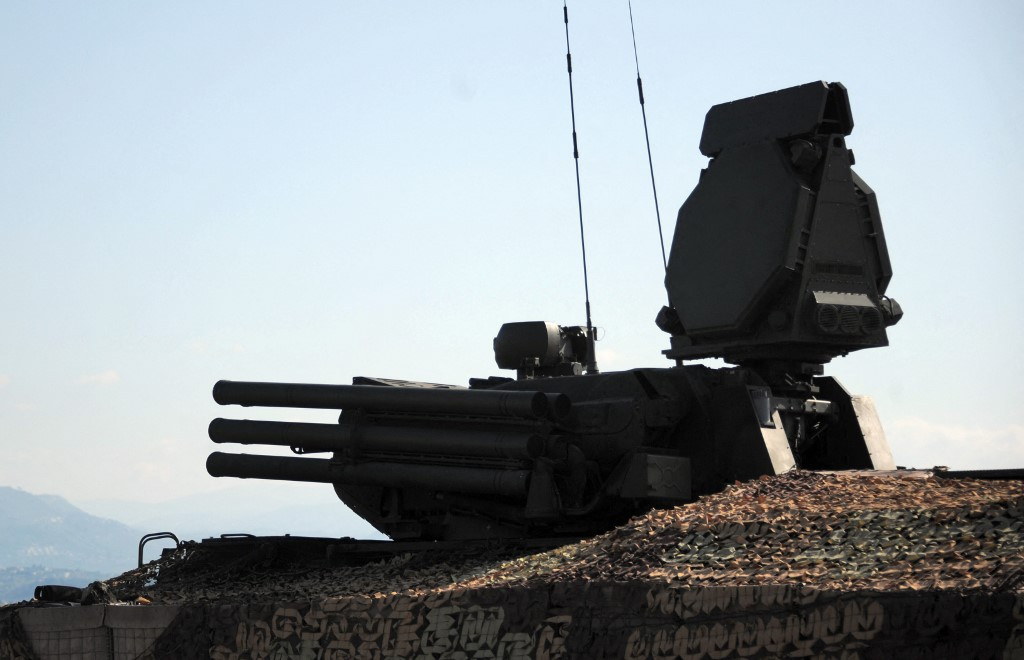
Russian forces have installed an additional Pantsir anti-aircraft missile and gun system near the Moscow Oil Refinery,, Defense Express reports. The complex was placed near an exit from the Moscow Ring Road (MKAD), several hundred meters from the refinery’s territory.
Analysts highlighted two specific details regarding the installed system. First, the Pantsir’s cabin is equipped with a protective net. These structures, designed to defend against strike drones, are standard for equipment operating directly on or near the front line. Previously, such nets were not observed on air defense systems assigned to protect Moscow.
Follow our coverage of the war on the @Kyivpost_official.
Analysts suggest this indicates the system was redeployed from other regions or frontline positions to defend the capital.
Second, the photographed Pantsir has an incomplete ammunition load. The launchers on the right side of the turret hold at least two out of a possible six missiles. Given that systems protecting strategic assets like oil refineries are expected to maintain full readiness to repel UAV attacks, this reduced payload may indicate a shortage of anti-aircraft missiles.
According to Defense Express, the Moscow Oil Refinery is already covered by another Pantsir system, which was previously installed on a tower in a forested area outside the plant’s territory. In total, the facility is located behind three rings of air defense created around the Russian capital, with a fourth currently forming.
Pantsir-S1 ADS in Moscow. pic.twitter.com/6B4dNT9i0a
The reinforcement of air defenses around the Kapotnya refinery follows large-scale drone attacks on Moscow and the Moscow region on June 18 and 19.
Russian authorities stated that approximately 200 drones were intercepted during the overnight attack on June 18. However, several drones reached their targets, striking the Moscow Oil Refinery, a key facility supplying fuel to the capital region. The attack caused fires on the plant’s territory.
Media reports indicated damage to the “Euro+” primary oil refining unit, which accounts for a significant portion of the plant’s capacity, as well as pipelines and fuel storage tanks. Additionally, reports and video footage indicated that a Russian air defense missile missed a drone and struck a fuel storage tank at the refinery, causing an explosion.
Debris from intercepted drones also damaged buildings at the Sadovod shopping center, along with residential buildings and private households in the Moscow region. Russian officials reported 17 injuries and the death of one child.
The following day, June 19, Moscow Mayor Sergei Sobyanin reported the downing of at least 35 additional drones approaching the city. No significant damage or casualties were reported during this second wave.
President Volodymyr Zelensky confirmed the strikes on the Moscow Oil Refinery, stating they were a response to Russian attacks on Ukrainian cities. Zelensky also advised citizens to observe safety regulations during air raid alerts, noting a potential escalation in Russian missile and drone attacks.
Russian President Vladimir Putin has not publicly commented on the drone attacks. Media reports indicated that Putin spent the days of the attacks attending an ASEAN summit in Kazan, where he discussed trade and international relations, and did not address the strikes on the capital during a Russian Security Council meeting on Friday.
Kyiv Post is Ukraine’s first and oldest English news organization, reporting since 1995. Its international reach – 97% of readers are outside of Ukraine – make it truly Ukraine’s global voice.