Moscow-Region Town Hid Shelter Locations During Drone Attack, Citing Panic Risk
AI Analysis
Authorities in Kotelniki, Moscow Oblast, are withholding the locations of civil defense shelters from the public, citing concerns about inducing panic during drone attacks. This follows a significant Ukrainian drone strike targeting Moscow and surrounding infrastructure, including a major oil refinery. The decision contrasts with a recent emergency drone-threat warning issued in the region.
Key Takeaways
- Kotelniki authorities will only disclose shelter locations during full mobilization or wartime.
- Ukrainian drone strikes targeted Moscow and the surrounding region on Thursday, reportedly involving 194 drones.
- Key targets included the Moscow Oil Refinery (Gazprom Neft) and commercial areas like the Sadovod and Belayaga Dacha malls.
- Damage was reported to residential buildings in multiple locations within the Moscow region.
- Ukrainian President Zelenskyy stated the attacks are intended to demonstrate the war's cost to the Russian population and potentially pressure the Kremlin into negotiations.
Why It Matters
The decision to withhold shelter information reveals a potential lack of preparedness and/or a prioritization of maintaining public order over civilian safety in the face of escalating drone threats. This could erode public trust and potentially lead to increased casualties in future attacks. The targeting of critical infrastructure, specifically the oil refinery, indicates a Ukrainian strategy to degrade Russia's war-sustaining capabilities.
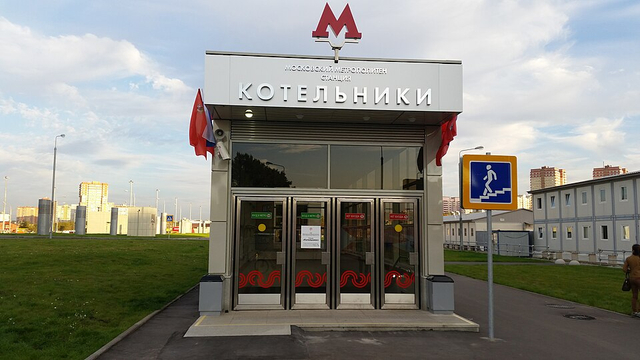
Authorities in the Moscow-region town of Kotelniki have refused to disclose the locations of local civil defense shelters, saying the information will be released only “during mobilization and in wartime,” and claiming air alerts can “contribute to the panic.”
According to the Russian outlet Daily Storm on Thursday, authorities responded hours after after Ukrainian drones struck Kotelniki and other parts of the Moscow region overnight.
Follow our coverage of the war on the @Kyivpost_official.
Residents say they received no official guidance on where to shelter during the attack. Local authorities have argued that air alerts are “extreme” measure rather than a routine one, and maintained that sirens should sound only when there is a direct threat to life.
Such warnings, they said, could provoke panic and cause people to run into the street during an air attack – which is prohibited as it increases the risk of injury.
As reported by United24Media, the reluctance of disclosing shelter information stands in contrast with the region’s recent practice: on June 2, Moscow region authorities issued an unprecedented emergency drone-threat warning that sent mobile alerts to residents.
Ukraine carried out what may be its largest drone attack on Moscow to date on Thursday, targeting key infrastructure across the capital and surrounding region.
Russian authorities said 194 drones were intercepted near the city, with multiple sites still being hit, forcing the Red Square to close and disrupting traffic.
One of the main targets was the Gazprom Neft-owned Moscow Oil Refinery in the Kapotnya district, which had already been struck earlier in the week and reportedly shut down. The new hit sparked another large fire.
Drone debris landed at the Sadovod shopping center, damaging a building and causing a blaze, while fragments hit the roof of the nearby Belayaga Dacha mall.
Damage was reported to residential buildings in Novye Kotelniki, Zhukovsky and Lyubertsy, as well as private homes in several Moscow-region settlements, including Stepanovo near Elektrostal, Masnovo-Zhukovo, Kryukovo and Pavlovsky Posad.
“They struck the Lavra,” Zelensky said, “I said openly that we would prepare a response and that you would see it. I think you are seeing it now.” He continued: “The main thing is for the people of Russia to begin to feel that one man, [Russian leader Vladimir] Putin, is waging this war, while ordinary people are paying the price for it.” Zelensky framed the operation as part of a broader strategy to convince Russians of the war’s consequences and potentially force the Kremlin to the negotiating table.
Nina Savić is a Cultural Studies graduate with a strong focus on critical analysis of discourse and media. She is particularly drawn to stories and perspectives often overlooked or erased by mainstream narratives, and is passionate about giving a voice to those pushed to the margins.