Russian Drone Strike Kills Two at Zaporizhzhia Industrial Facility
AI Analysis
A large-scale Russian drone attack utilizing 272 UAVs (including decoys) targeted Ukraine on June 6th, resulting in at least five civilian deaths and damage to critical infrastructure in Zaporizhzhia and other regions. Despite intercepting 249 drones, 19 strike drones penetrated Ukrainian air defenses. The attack demonstrates a continued Russian reliance on mass drone strikes combined with EW and deception tactics.
Key Takeaways
- Russia employed a large drone swarm (272 total) including Shahed, Gerber, Italmas, 'Banderol', and 'Parodiya' (decoy) drones launched from multiple locations within Russia and Crimea.
- Ukrainian air defenses intercepted/suppressed 249 drones using a layered approach (fighter aviation, missiles, mobile fire groups, EW), but 19 still reached their targets.
- Zaporizhzhia suffered the most significant impact, with two (later revised to five) civilian deaths and damage to industrial/critical infrastructure.
- The attack included deliberate targeting of civilian infrastructure and non-military targets in multiple cities (Zaporizhzhia, Chernihiv, Kherson).
- The use of decoy drones ('Parodiya') suggests a focus on saturating and exhausting Ukrainian air defense resources.
Why It Matters
This attack highlights the evolving nature of drone warfare, emphasizing the challenges of defending against mass drone swarms and the increasing use of drones for strategic strikes on civilian infrastructure. The success of even a small number of drones bypassing defenses demonstrates the need for continued investment in advanced counter-UAS technologies and layered defense systems. The use of decoys indicates a developing tactic to overwhelm defenses.
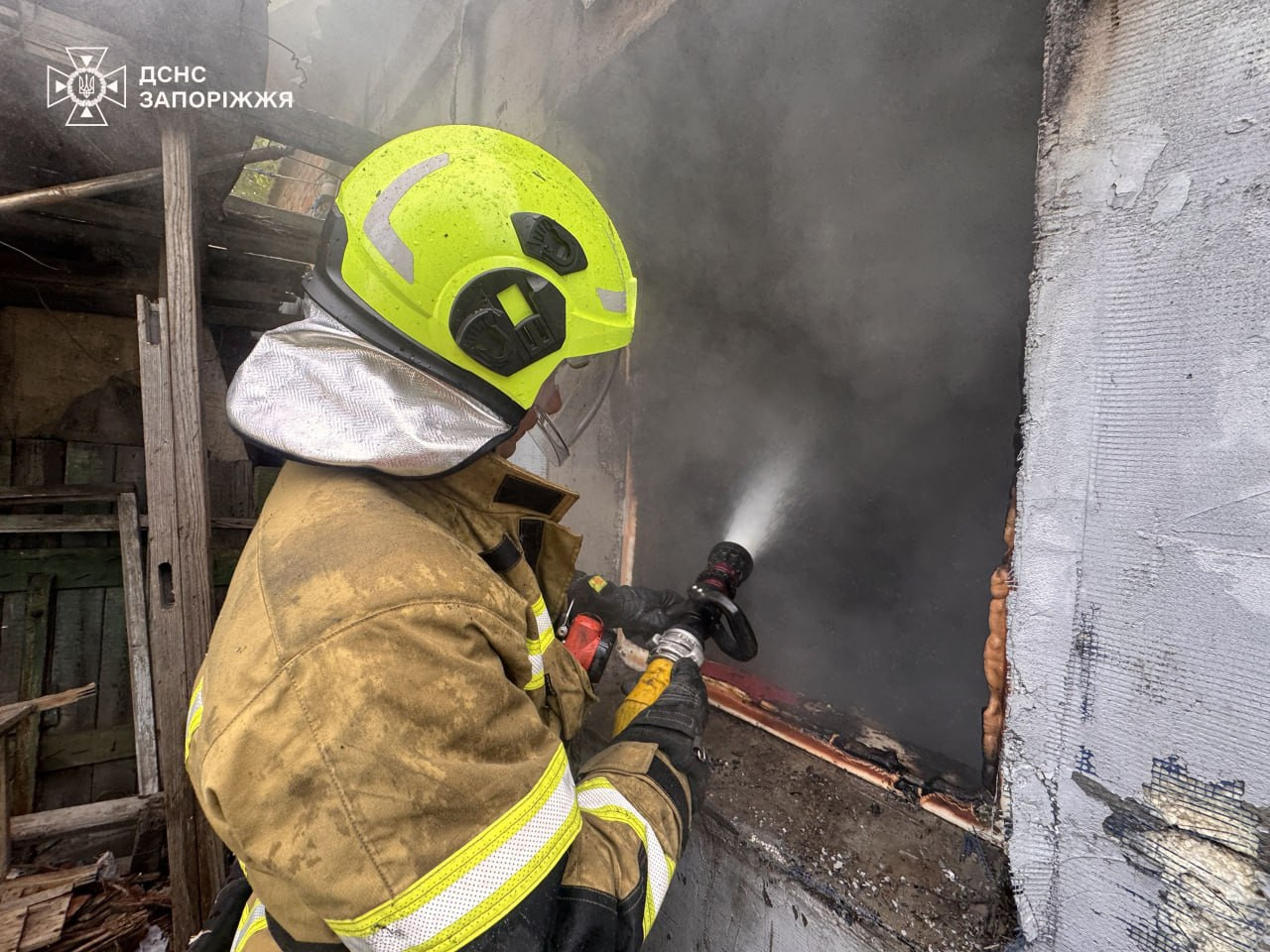
A Russian drone attack on the city of Zaporizhzhia early Saturday, June 6, killed two corporate employees and damaged local critical and industrial infrastructure.
Ivan Fedorov, head of the Zaporizhzhia Regional Military Administration, confirmed the civilian casualties following reports of early morning explosions in the city. Regional authorities had previously issued warnings regarding the approach of strike drones.
Follow our coverage of the war on the @Kyivpost_official.
Emergency crews inspecting the impact sites discovered the bodies of two workers on the grounds of an affected enterprise. Assessments regarding the exact structural damage to the city’s industrial and critical infrastructure facilities remain ongoing.
Fedorov later reported that the number of casualties in Zaporizhzhia resulting from the Russian drone attack had risen to five.
According to an official update from the Air Force of the Armed Forces of Ukraine, the Russian military deployed a total of 272 unmanned assets during the overnight operation, which commenced on the evening of Friday, June 5. The strike package was launched from multiple directions inside Russia – including Oryol, Kursk, Bryansk, Primorsko-Akhtarsk, and Millerovo – as well as from Gvardiyske in Russian-occupied Crimea.
To complicate tracking and exhaust anti-aircraft ammunition, the Russian military utilized a varied mix of equipment: Shahed loitering munitions, including jet-powered variants, Gerber and Italmas UAVs, “Banderol” loitering munitions and “Parodiya” decoy drones designed to simulate larger targets on radar screens.
A defensive effort involving Ukrainian fighter aviation, anti-aircraft missile troops, mobile fire groups, and electronic warfare (EW) units intercepted or suppressed 249 of the hostile drones. However, 19 strike drones breached defensive umbrellas to hit targets across 11 distinct locations, while falling debris from intercepted targets caused damage in 13 additional areas.
The Saturday morning fatalities follow consecutive days of Russian drone operations directed at non-military targets and civilian infrastructure across Ukraine.
Late Friday night, Russian drones struck two separate locations in Chernihiv, hitting a private enterprise in the northern section of the city and a parking lot in the west. The resulting fires damaged 37 vehicles and left eight people injured.
On June 4, an early morning drone strike targeted the Korabelnyi district of Kherson, killing a 75-year-old man. Local authorities in Kherson also documented separate drone attacks that hit a residential building, injuring a 12-year-old boy, and an ambulance parked on hospital grounds, wounding three medical workers.