Air Defense and the Problem of Cost-Exchange Logic
AI Analysis
Admiral Brad Cooper (US CENTCOM) highlighted the cost asymmetry in countering UAS, stating that inexpensive drones are successfully targeting significantly more expensive US missile defense systems. This indicates a need to reassess defense strategies against low-cost, high-volume drone attacks. The discussion centers on the 'cost-exchange ratio' being unfavorable to the US.
Key Takeaways
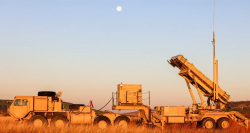
- US missile defense systems (specifically Patriot and THAAD) have been targeted by relatively inexpensive drones in the Red Sea.
- The cost-exchange ratio is heavily skewed; drones cost a fraction of the missiles used to intercept them.
- CENTCOM is actively seeking solutions to address this cost imbalance, including directed energy weapons and improved sensors.
- The article implies a potential shift in defensive posture, moving away from solely relying on expensive interceptors.
- The issue extends beyond CENTCOM’s area of responsibility, representing a global challenge to air defense systems.
Why It Matters
The vulnerability of high-value air defense assets to low-cost drones fundamentally challenges traditional air defense strategies. This necessitates investment in alternative counter-UAS technologies and tactics to maintain a credible defense without incurring unsustainable costs. Failure to address this cost-exchange problem could erode the effectiveness of existing air defense capabilities.
Peter Mitchell, MWI <br/> <p>Admiral Brad Cooper, commander of U.S. Central Command, <a href="https://x.com/KassyAkiva/status/2054933390747451707">recently declared</a> that the United States has...