Ukrainian Forces Hit Strategic Yaroslavl Refinery and Russian Air Defense Systems
AI Analysis
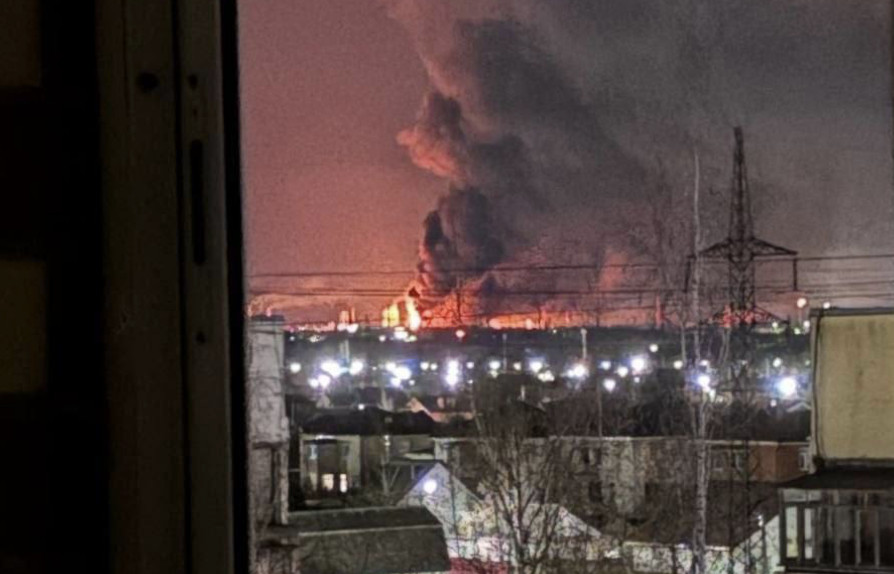
Ukrainian forces conducted successful drone strikes targeting a major Russian oil refinery (Yaroslavl/Slavneft-YANOS) and multiple Russian military assets, including air defense systems (Pantsir-S1, Kasta-2E1) and military trains. These strikes represent a continuation of a campaign to degrade Russia's logistical capabilities and industrial capacity. The attacks demonstrate an increasing range and precision of Ukrainian drone operations.
Key Takeaways
- Yaroslavl refinery, processing 15 million tons of oil annually, was hit by a drone strike, causing a significant fire.
- Ukrainian forces destroyed a Kasta-2E1 radar station in Melitopol and a Pantsir-S1 SAM system in Mariupol.
- Strikes also targeted military trains in the Donetsk region (Menchuhove and Kelerivka).
- Previous refinery strikes (Tuapse, Novokuibyshevsk) forced operational halts, indicating a systematic campaign.
- Long-range strikes now reaching 1,800km into Russia, suggesting advanced drone capabilities and/or improved logistics.
Why It Matters
The targeting of strategic infrastructure like oil refineries directly impacts Russia’s ability to sustain its war effort by disrupting fuel supplies. The destruction of air defense systems is a critical enabler for future Ukrainian deep strikes, reducing Russian defensive capabilities. This demonstrates a shift in Ukraine’s strategy towards directly targeting Russia’s industrial heartland, escalating the conflict.
The Armed Forces of Ukraine (AFU) carried out a series of high-precision strikes between April 25 and the early hours of Sunday, April 26, targeting a major oil refinery deep inside Russia and critical air defense assets in occupied territories.
The General Staff reported a significant fire at the Yaroslavl refinery (Slavneft-YANOS) following a successful drone strike. The facility is a strategic asset for the Kremlin, processing approximately 15 million tons of oil annually.
Follow our coverage of the war on the @Kyivpost_official.
Its production of gasoline, diesel, and jet fuel is vital for the Russian military’s logistics and its central industrial regions. Andriy Kovalenko, Head of the Center for Countering Disinformation, earlier released footage confirming the impact on the site.
Simultaneously, Ukrainian units struck Russian military trains in the Menchuhove and Kelerivka areas of the occupied Donetsk region. The General Staff also confirmed the destruction of high-end Russian equipment from previous operations on April 24, including a Kasta-2E1 radar station in Melitopol and a Pantsir-S1 surface-to-air missile system in Mariupol.
This campaign follows a week of systematic degradation of Russia’s military and economic infrastructure. On April 22, the Tuapse and Novokuibyshevsk refineries were forced to halt operations after coordinated strikes, with the Tuapse facility suffering what local observers called a “man-made disaster.”
As Kyiv intensifies its long-range strikes – recently reaching as far as 1,800 km into the Ural Mountains – the focus on destroying air defense systems like the Pantsir-S1 and Kasta radar is seen by analysts as a prerequisite for further successful deep-strike operations against the aggressor’s industrial heartland.
Kyiv Post is Ukraine’s first and oldest English news organization since 1995. Its international market reach of 97% outside of Ukraine makes it truly Ukraine’s Global – and most reliable – Voice.