In first, Ukrainian unmanned vessel launches interceptor to knock out Shahed drone
AI Analysis
Ukraine has successfully used an unmanned seaborne vehicle to launch an interceptor drone, marking the first known instance of this method being used to counter Russian Shahed drones. This development enhances Ukraine's air defense capabilities against persistent drone attacks.
Key Takeaways
- Ukraine's 412th Brigade Nemesis used a Sting drone launched from an unmanned vessel to intercept a Shahed drone.
- This method represents a new layer of air defense, particularly for cities in southeastern Ukraine.
- The use of surface drone carriers for air defense is a novel tactic in the ongoing conflict.
- Russia's use of Shahed drones aims to pressure Ukraine into concessions by targeting civilian areas.
- The U.S. is observing Ukraine's drone tactics to inform its own defense strategies.
Why It Matters
This innovation in counter-UAS tactics could significantly enhance Ukraine's ability to protect its cities from drone attacks, potentially altering the strategic balance in the region. It also highlights a shift towards more cost-effective defense solutions, which could influence future military procurement and strategy globally.
Ukraine has reportedly unleashed a powerful new defense against Russian Shahed drones that have tied up its air force and traumatized civilians with persistent attacks.
Cheap, domestically manufactured drones have played an increasingly critical role for both sides in the four-year war following Russia’s invasion of Ukraine in February 2022. Both countries have experienced enormous battlefield casualties, the land war has morphed into a war of attrition in which Russia’s primary tool is the Shahed, a domestically manufactured UAV based on the original Iranian model.
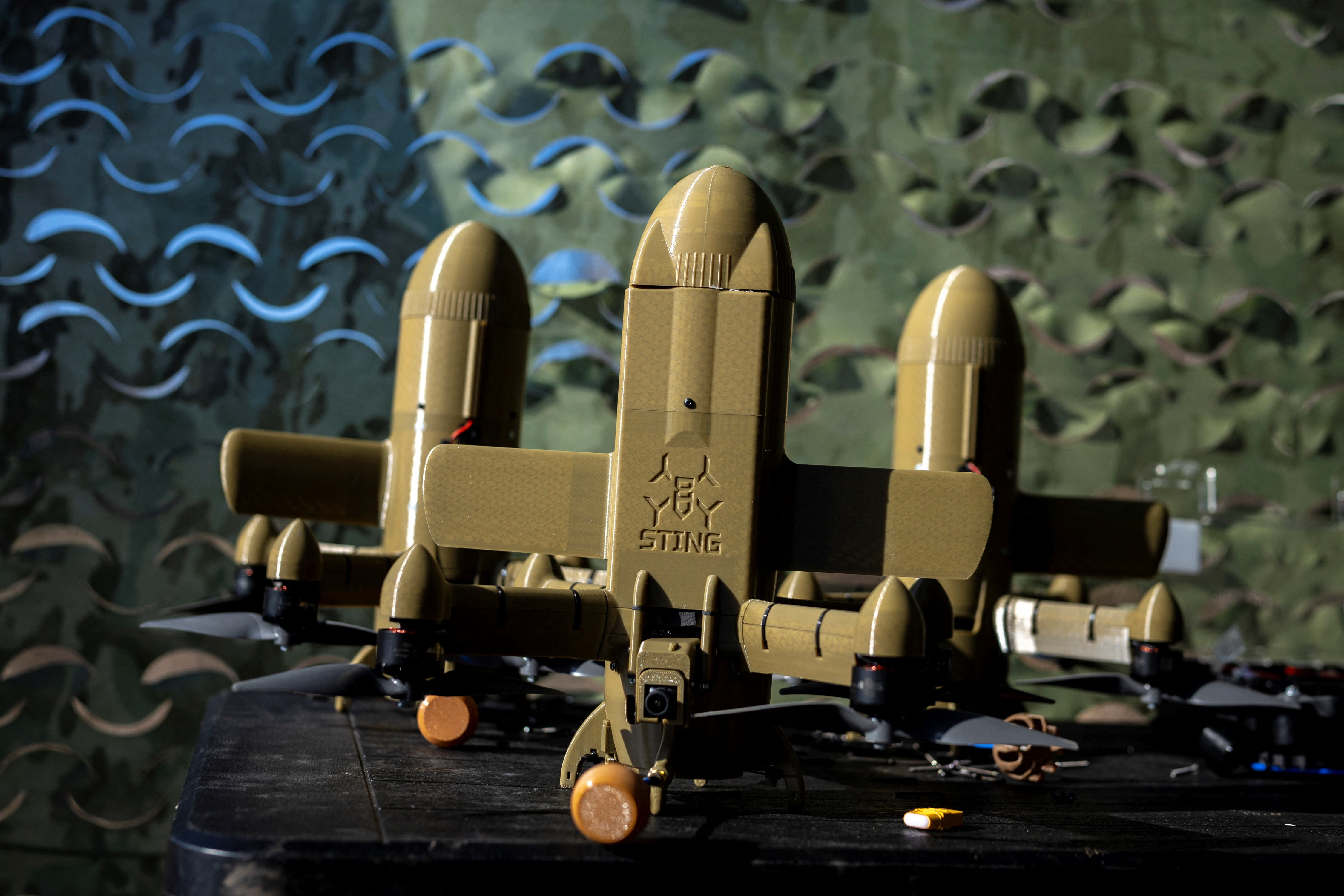
On Sunday, the Ukrainian Unmanned Systems Forces reported that its 412th Brigade Nemesis had intercepted a Shahed attack by launching its own Sting drone from an unmanned seaborne vehicle — the world’s first successful use of this method to intercept a Shahed.
“Using surface drone carriers to deploy interceptor drones expands air defense options and creates an additional layer of protection for Ukrainian cities,” the USF wrote on X.
Many such Russian attacks are directed at cities in southeastern Ukraine and launched over the Black Sea. For Russia, that serves a two-fold purpose: wear down civilians in the region, force Ukraine to make land concessions to reach a peace deal and exploit the fact that Ukraine lacks traditional naval power.
Sunday’s apparently successful interception may eventually change the calculus, shoring up Ukraine’s ability to defend cities like Odesa, thereby blunting Russia’s ability to force concessions in future peace negotiations.
The U.S. in particular has looked to Ukraine as a model, ramping up investments in cheap drones for its own use.
In the war against Iran, for example, the U.S. has burned through costly weapons systems including the Tomahawk cruise missile and the Patriot missile defense systems. A single Patriot missile costs about $4 million, with the full battery and launcher running into the billions.