Ukraine Achieves World First by Downing Shahed Drone from Naval Platform
AI Analysis
Ukraine's Unmanned Systems Forces achieved a world-first by intercepting a Russian Shahed drone using an interceptor launched from an unmanned surface vessel, marking a significant advancement in integrating naval and aerial unmanned capabilities. This operation enhances Ukraine's defense against aerial threats, particularly in coastal areas.
Key Takeaways
- Ukraine's Nemesis brigade successfully intercepted a Shahed drone using an unmanned surface vessel.
- This marks the first known sea-to-air drone interception in military operations.
- The operation was conducted by the 412th Brigade's naval drone division.
- The integration of sea and air unmanned systems expands Ukraine's counter-UAS capabilities.
- Ukraine's strategic strikes are significantly impacting Russian military logistics and economy.
Why It Matters
This development signifies a strategic enhancement in Ukraine's defense capabilities, particularly in countering aerial threats from the sea. The ability to launch interceptors from naval platforms adds a new dimension to Ukraine's air defense strategy, complicating Russian operational planning and potentially deterring future drone incursions.
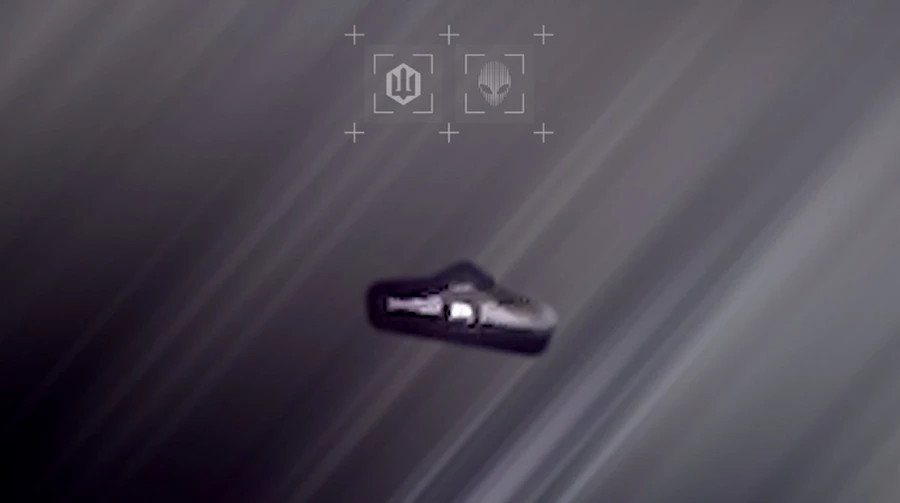
The Unmanned Systems Forces (USF) of Ukraine have achieved a world-first military milestone by intercepting a Russian Shahed-type drone using an interceptor drone launched from an unmanned surface platform.
The operation was carried out by the 412th “Nemesis” Brigade’s naval drone division, which currently operates in the maritime zone. The USF released footage of the successful interception on Facebook, hailing it as a “new level of integration” between naval and aerial unmanned capabilities.
Follow our coverage of the war on the @Kyivpost_official.
Military officials noted that using surface carriers to deploy interceptors significantly expands Ukraine’s ability to counter aerial threats and creates an additional layer of defense for coastal cities.
This technological breakthrough comes amid an intensified campaign by the USF to degrade Russian military assets and infrastructure. Just days prior, on April 15, units under the command of Robert “Madyar” Brovdi successfully targeted 16 Russian high-value targets. These strikes included Iskander missile systems in occupied Crimea, air defense assets like the Pantsir-S1 and Buk-M1, and several ammunition and oil depots.
The USF has also been instrumental in a strategic effort to cripple the Kremlin’s economy. On Saturday, April 18, Commander Brovdi reported that systemic strikes on Russian oil infrastructure – including refineries in Tuapse and terminals in Ust-Luga – are costing Russia approximately $100 million daily. These operations have slashed Russia’s oil shipments by roughly 880,000 barrels per day, creating significant logistical bottlenecks for the Russian military.
As Ukraine continues to pioneer unmanned warfare, the successful sea-to-air interception marks a shift in how the USF intends to protect Ukrainian airspace. By utilizing the sea as a launchpad for aerial interceptors, the Armed Forces of Ukraine (AFU) are increasingly complicating Russian flight paths and demonstrating the high versatility of their rapidly evolving drone fleet.
Kyiv Post is Ukraine’s first and oldest English news organization since 1995. Its international market reach of 97% outside of Ukraine makes it truly Ukraine’s Global – and most reliable – Voice.