Russia Reinforces Air Defenses Around Oil Ports After Ukrainian Drone Strikes
AI Analysis
Russia is enhancing its air defenses around key oil ports in response to repeated Ukrainian drone strikes that have exposed vulnerabilities in its energy infrastructure. The reinforcement includes deploying additional mobile fire units to protect critical facilities.
Key Takeaways
- Russia is reinforcing air defenses around oil ports in the northwest.
- Ukrainian drone strikes have targeted Baltic export terminals, disrupting operations.
- Additional mobile fire units, possibly including reservists, are being deployed.
- Ukraine's strategy aims to reduce Russia's oil export revenue.
- Despite Russian countermeasures, key energy facilities remain vulnerable to drone attacks.
Why It Matters
The reinforcement of air defenses highlights the strategic importance of protecting energy infrastructure, a critical revenue source for Russia's war efforts. The ongoing drone strikes by Ukraine demonstrate the effectiveness of UAVs in targeting and disrupting adversary logistics, potentially influencing negotiations and military strategies.
Russia is reinforcing air defenses around key oil infrastructure in its northwest following repeated Ukrainian drone strikes on major export ports, regional authorities said on Friday, April 17.
Leningrad region governor Alexander Drozdenko said additional mobile fire units would be deployed to protect critical facilities from drone attacks. The units may include reservists serving on a voluntary basis under fixed-term contracts.
Follow our coverage of the war on the @Kyivpost_official.
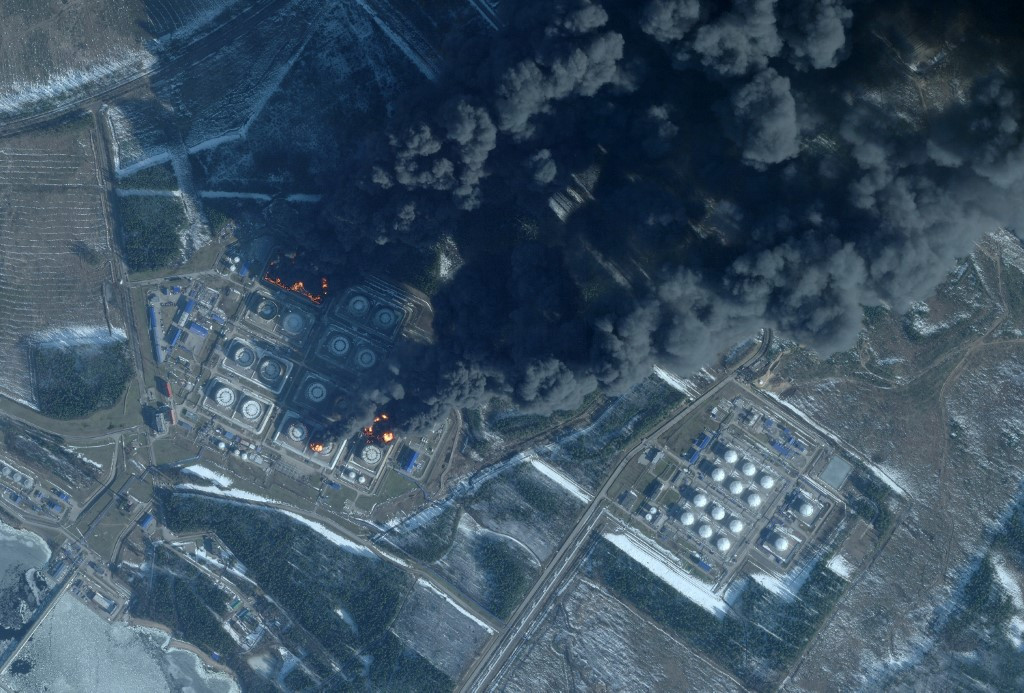
The announcement comes after a series of strikes on the Baltic Sea ports of Ust-Luga and Primorsk, two of Russia’s main oil export hubs. The attacks have disrupted operations and highlighted vulnerabilities in Russia’s energy logistics.
In March, Russia is estimated to have lost close to $1 billion within a week after repeated strikes on its Baltic ports.
Kyiv has framed strikes on Russian energy infrastructure as a response to Moscow’s continued missile and drone attacks on Ukrainian cities, as well as an effort to reduce Russia’s revenue from oil exports.
Kyrylo Budanov, the head of Ukraine’s Presidential Office, said that attacks on Russian oil terminals are strengthening Ukraine’s position in ongoing negotiations. Ukrainian forces struck the Ust-Luga oil terminal in Russia’s Leningrad region overnight on April 7, where additional drone strikes were also reported at the Sheskharis oil terminal at the port of Novorossiysk region on April 6.
A major oil export pumping station in Russia’s Krasnodar was also targeted by Ukraine, with the strikes reaching near-daily frequency in early April.
Budanov, who said some of Ukraine’s allies had urged a pause in strikes on Russian oil infrastructure amid rising energy prices, added that he expects “a lot of new things” in upcoming talks with Moscow but questioned whether Moscow’s position would change despite the strikes.
The strategy has increasingly focused on limiting Russia’s ability to sustain oil exports, a key source of revenue for its war effort.
At the same time, Russia has expanded efforts to protect critical infrastructure, including deploying additional air defense systems and reinforcing security at major industrial sites.
Despite these measures, repeated strikes suggest that key energy facilities remain exposed to long-range drone attacks.
Kyiv Post is Ukraine’s first and oldest English news organization since 1995. Its international market reach of 97% outside of Ukraine makes it truly Ukraine’s Global – and most reliable – Voice.