Poland Rejects US Request to Deploy Patriot Systems to Middle East
AI Analysis
Poland has declined a US request to redeploy its Patriot air defense systems to the Middle East, emphasizing the need to protect its own territory and NATO's eastern flank. This decision reflects Poland's focus on national defense amid regional tensions, particularly with Belarus.
Key Takeaways
- Poland refused the US request to relocate Patriot systems to the Middle East.
- The systems are deemed essential for Poland's national defense and NATO's eastern flank.
- Poland faces security challenges, including tensions with Belarus.
- The US request was informal, and Poland remains a committed ally.
- Poland's decision aligns with European reluctance to engage in the US-Israel conflict with Iran.
Why It Matters
Poland's decision underscores the strategic importance of air defense systems in maintaining national and regional security, particularly in Eastern Europe. It also highlights the complexities of international military cooperation and the balancing of national defense priorities against allied requests.
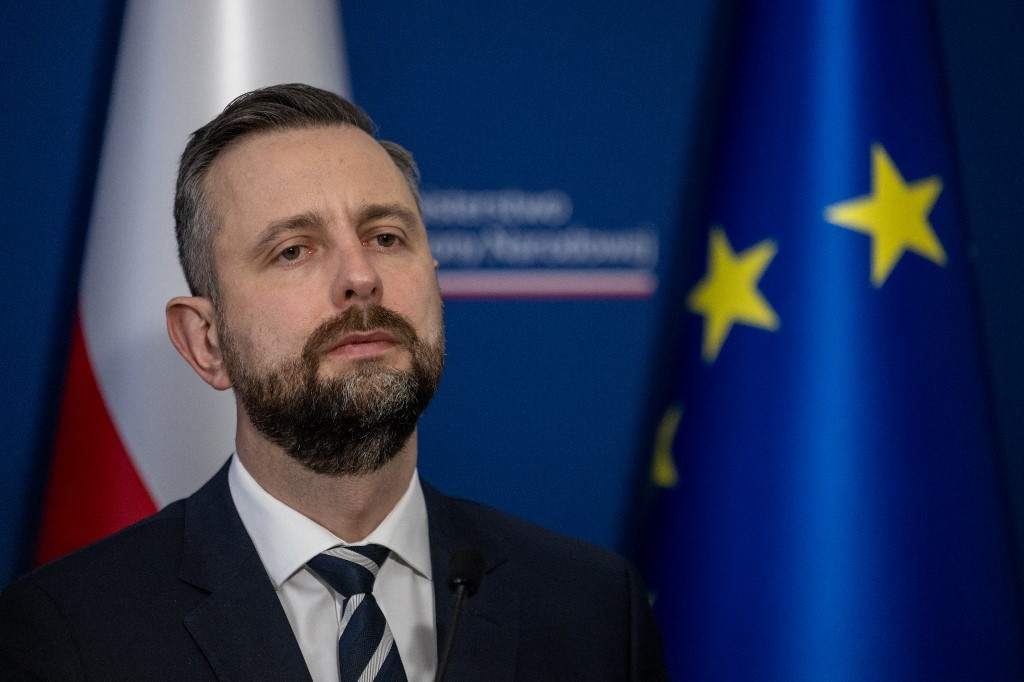
Poland has rejected a US request to transfer Patriot air defense systems to the Middle East, Defense Minister Władysław Kosiniak-Kamysz said on Tuesday, March 31.
According to Polish outlet Rzeczpospolita, Washington suggested that one of Poland’s Patriot batteries, as well as PAC-3 missiles, could be deployed to support operations linked to the war with Iran.
Follow our coverage of the war on the @Kyivpost_official.
Kosiniak-Kamysz said Poland does not plan to relocate its air defense systems.
“Our Patriot batteries and their equipment serve to protect Polish skies and NATO’s eastern flank. Nothing changes in this regard, and we are not planning to move them anywhere,” he wrote on X.
Deputy Defense Minister Cezary Tomczyk echoed the position, saying the systems are needed for national defense.
Polish officials stressed that the country faces its own security challenges, including tensions on the border with Belarus and ongoing military buildup.
A senior presidential aide, Zbigniew Bogucki, said Poland remains a committed US ally but is under significant pressure to strengthen its own armed forces.
He added that there has been no formal request from Washington, describing the discussions as informal.
Poland’s stance aligns with a broader reluctance among European allies to become directly involved in the US- and Israel-led conflict with Iran.
Prime Minister Donald Tusk said earlier this month that Poland would not send troops, arguing the war does not directly affect national security.
The conflict, which began with US and Israeli strikes on Feb. 28, has disrupted global energy markets after Iran restricted access to the Strait of Hormuz, a key oil transit route.
Yuliia Zavadska is a news writer at Kyiv Post. She has experience in breaking news coverage, fact-checking, and digital journalism, with a focus on fast, accurate reporting and clear storytelling. Before joining Kyiv Post, she worked as a news feed editor for several leading Ukrainian media outlets.