Ukraine’s Brave1, NATO Launch €10M Competition for Counter-Drone Technology
AI Analysis
Ukraine's Brave1 and NATO have launched a €10 million competition to develop counter-drone technologies, fostering collaboration between Ukrainian and NATO defense companies. The initiative, called UNITE – Brave NATO, aims to address urgent battlefield needs amid ongoing drone warfare in Ukraine.
Key Takeaways
- Ukraine's Brave1 and NATO initiate a €10 million competition for counter-drone tech.
- The program, UNITE – Brave NATO, is in collaboration with NATO's NCIA.
- Focus areas include countering FPV drones, Shahed-type drones, and enhancing signals intelligence.
- Projects will be jointly developed by Ukrainian and NATO companies, with testing in Ukraine.
- Funding is split equally between Ukrainian and NATO partners, with a maximum of €1 million per project.
Why It Matters
This initiative signifies a strategic collaboration between Ukraine and NATO to rapidly develop and deploy counter-drone technologies, crucial for Ukraine's defense against Russian drone attacks. It also strengthens ties between Ukrainian and NATO defense sectors, potentially accelerating innovation and enhancing battlefield capabilities.
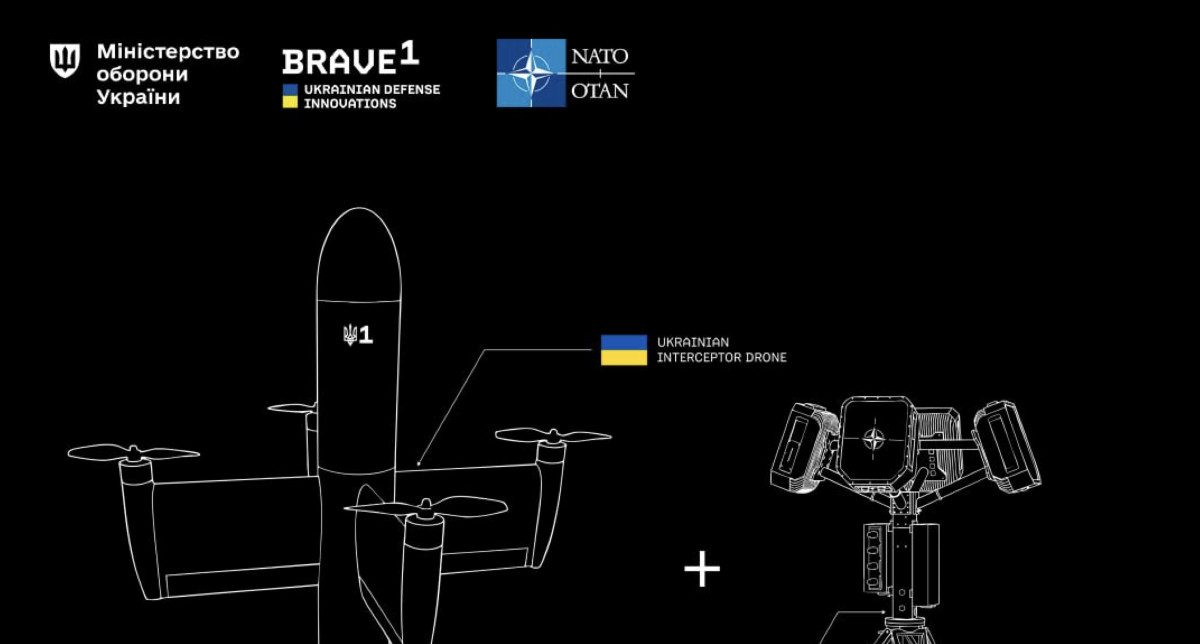
Ukraine’s tech cluster Brave1 – a one‑stop hub for defense innovation in the country – has launched a new €10 million ($12 million) competition alongside NATO to develop technology to counter drones and improve navigation under electronic-warfare conditions.
The program, called UNITE – Brave NATO, is carried out in collaboration with the NATO Communications and Information Agency (NCIA). It focuses on urgent battlefield needs, as drone attacks and signal jamming continue to play a major role in Russia’s war against Ukraine.
Follow our coverage of the war on the @Kyivpost_official.
Mykhailo Fedorov, Ukraine’s minister of defense, said it will help bring Ukrainian and NATO defense companies closer together and accelerate the development of new battlefield technologies.
The competition uses a different model than traditional grants. Ukrainian and NATO-based companies would work together to create a joint product.
Each side would contribute its own technology, aiming to quickly turn advanced projects into combat-ready solutions.
To take part, companies must first register online and pass a compliance check. After that, they can use a matchmaking platform to find partners. Companies will be able to browse profiles, connect with others, and agree to cooperate.
Once two companies decide to work together, they can submit a joint application. The best projects will be selected by a joint Ukrainian-NATO expert team. Finalists will then test their products in real combat conditions in Ukraine.
The total budget for the first round is €10 million. Each project can receive up to €1 million ($1.2 million), split equally between Ukrainian and NATO partners.
Ukrainian companies will be funded by Brave1, while NATO participants will receive support through NATO’s Comprehensive Assistance Package, within non-lethal limits.
The competition will focus on several key areas. These include systems to protect against first-person view (FPV) drones, more affordable ways to counter Shahed-type drones used by Russia, tools for signals intelligence, electronic attacks on drones, high-altitude platforms, and autonomous guidance systems.
Companies that already have partners will be able to apply once the application process officially opens. The winners of the first competition are expected to be announced in the summer of 2026.
Brave1 is Ukraine’s defense technology development cluster, bringing together Ukrainian tech companies, startups, inventors, the military, investors, and government agencies.
The cluster helps turn advanced prototypes and ideas into battlefield-ready solutions, providing funding, testing support, and expert guidance.
It also runs platforms such as “Test in Ukraine” for real-world testing and “Brave1 Market” to connect developers with buyers.
Alisa is the Head of News and a correspondent at Kyiv Post, where she leads the newsroom’s coverage of breaking events and global developments. With over seven years of experience in TV journalism, Alisa has reported on international and Ukrainian politics, making complex stories easier to understand. Back in September 2022, Alisa joined the Kyiv Post team.