Gulf states warn of legal penalties in sharing of Iran strikes footage
AI Analysis
Gulf states have issued warnings against sharing footage of Iranian missile and drone strikes, citing legal penalties for compromising public safety and security. This move aims to maintain operational security and prevent the dissemination of sensitive information.
Key Takeaways
- Gulf states are enforcing legal penalties for sharing footage of Iranian strikes.
- Dubai Police and other Gulf authorities have issued public advisories against spreading such content.
- Bahrain has arrested individuals for misusing social media to share strike footage.
- Kuwait and Qatar have also issued similar warnings to their residents.
- The focus is on maintaining operational security and preventing misinformation.
Why It Matters
The strategic significance lies in the need to protect operational security and prevent adversaries from gaining intelligence through publicly shared footage. This approach mirrors similar measures taken in other conflict zones, highlighting the importance of controlling information in modern warfare, especially in regions with ongoing drone and missile threats.
MILAN — Government authorities in the Gulf states have warned residents and tourists that publishing visual content of Iran-launched strikes online could result in legal consequences, including fines of tens of thousands of dollars and possible imprisonment.
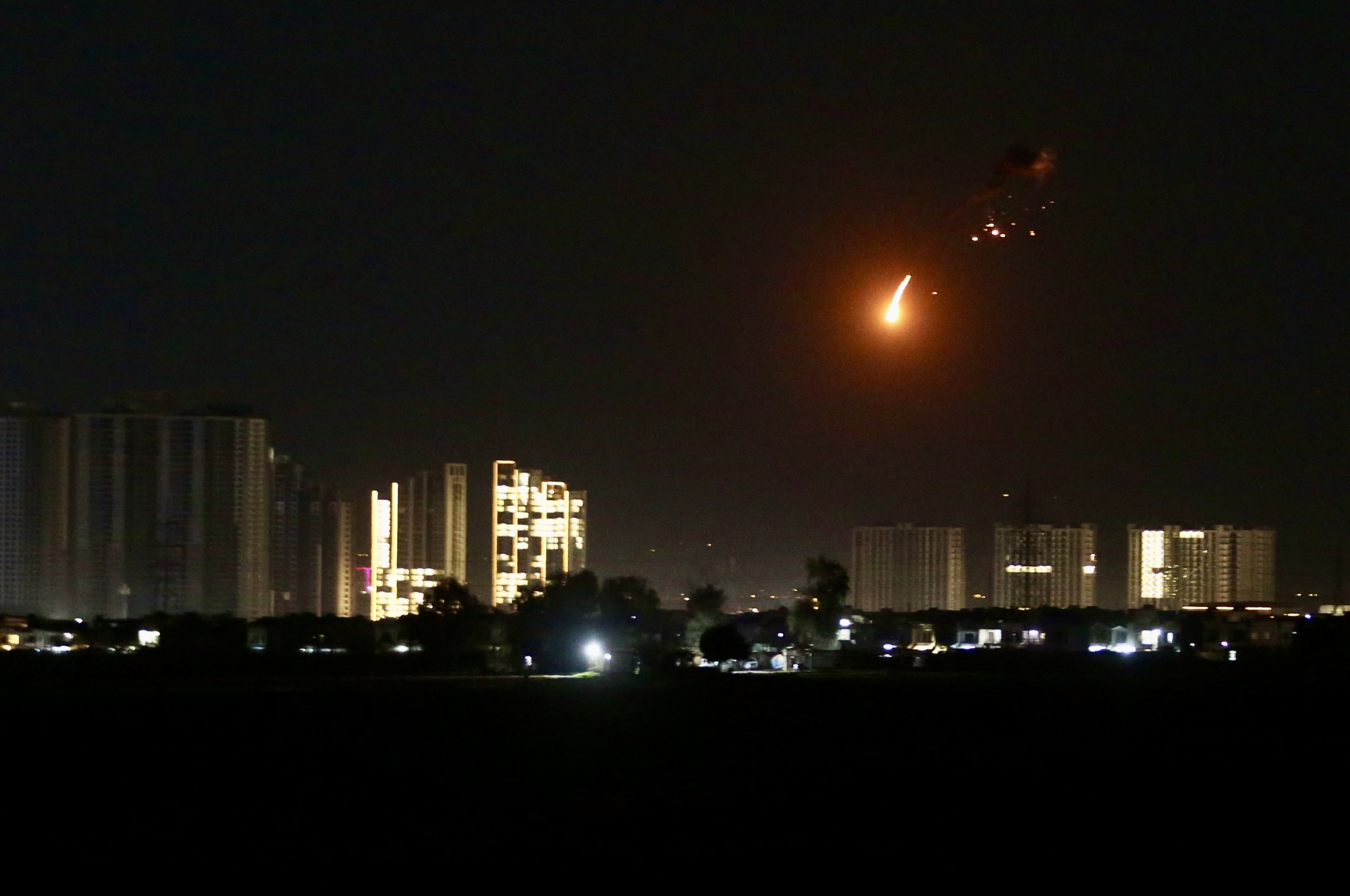
Social media sites have been flooded in recent days with frantic footage from content creators, travelers and locals in the region showing, in part, incoming missiles and drones being destroyed over different cities.
On March 3, the Dubai Police issued a public advisory as an image reading “Think before you share – spreading rumors is a crime," cautioning that sharing false information or content that could compromise public safety could result in penalties of at least 200,000 AED ($54,458) and two years of prison time.
Last week, Bahrain’s Ministry of Interior announced that at least two individuals, aged 27 and 37, were arrested for “misusing social media platforms” over the recording of Iranian strikes.
“The suspects filmed and broadcast live content and video clips, which they later shared through their social media accounts in a manner that constituted a legal violation and could harm security as well as provoke public opinion. … The necessary legal procedures are now underway,” the ministry said in a statement.
In a similar move, Kuwait’s Ministry of Interior urged residents to refrain from recording the neutralization of aerial threats as well as authorities in the line of duty, as this might “incite anxiety” among the population and spread misinformation. Non-compliance with this directive may entail “legal measures,” the ministry said in a statement published on X.
The Qatari Ministry of Interior has come out with a similar warning.
These regulations are not uncommon, especially in active combat zones and nearby areas, to maintain operational security and avoid endangering defensive positions.
In the early days of Russia’s invasion of Ukraine, Ukrainian security forces warned citizens not to film or distribute videos of enemy strikes that could be used by Moscow to improve its attacks.
To demonstrate how dangerous such footage could be, in 2022, the Ukrainian government shared the story of an individual who shared a video of a kamikaze drone attack, where clear damage to a critical infrastructure facility was visible.
“My friends spread this on the Internet, then it was used by propaganda [Russian] media to conduct special information and psychological operations against Ukraine. … I realize that my video materials could have been used to adjust the accuracy of the strikes,” the government statement quoting the individual said.
Iran has continued to carry out drone and ballistic missiles targeting American forces and infrastructure in Gulf countries, with one Iranian unmanned aerial vehicle striking the U.S. Consulate in Dubai on March 3.
Elisabeth Gosselin-Malo is a Europe correspondent for Defense News. She covers a wide range of topics related to military procurement and international security, and specializes in reporting on the aviation sector. She is based in Milan, Italy.