Titan C-UAS
Titan C-UAS is a modular, scalable counter-UAS system combining AI-enabled sensor fusion with multiple effector options for layered defense against drone threats.
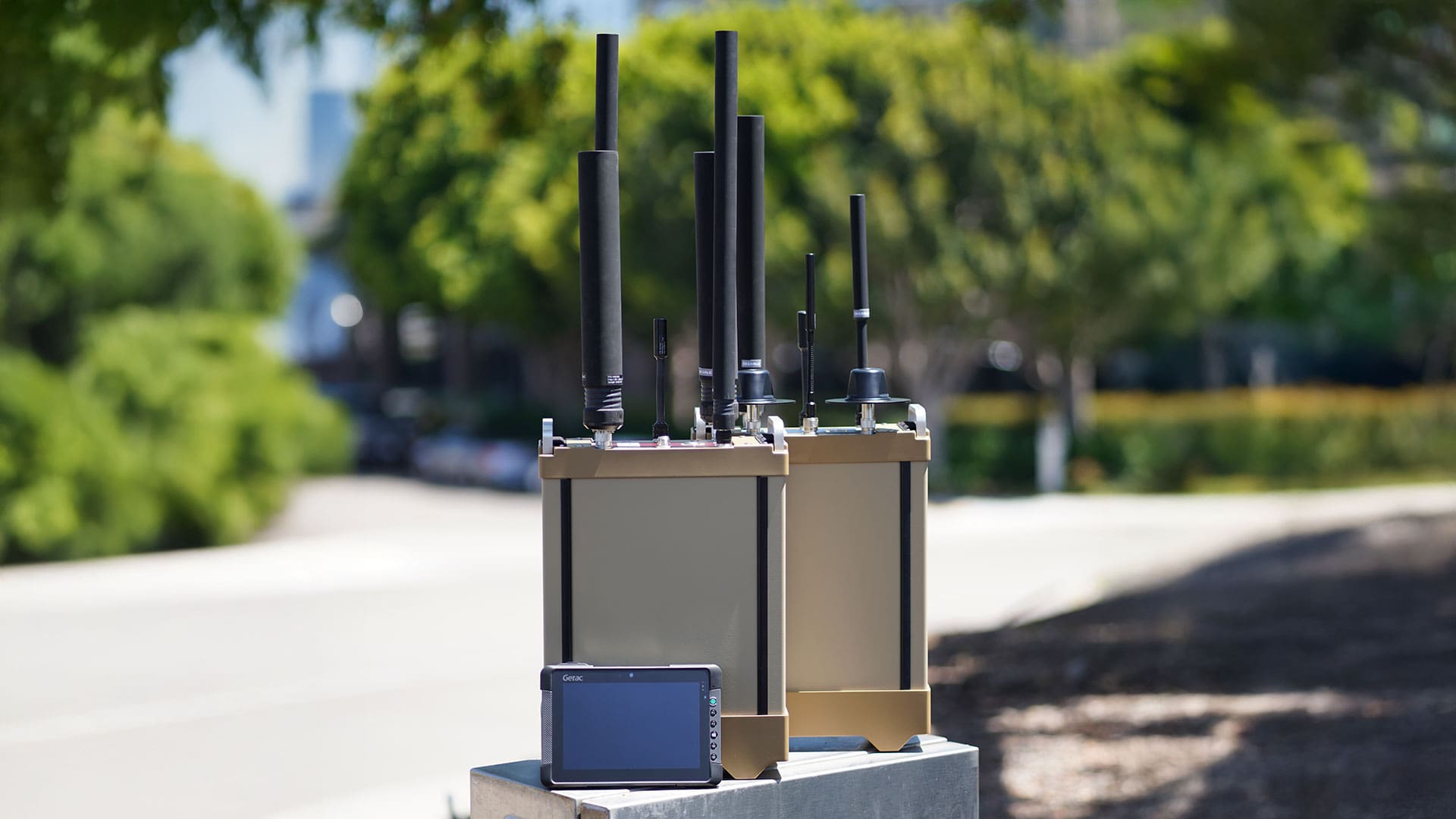
System Overview
What It Is
Titan C-UAS is Ascent Vision Technologies' integrated counter-drone system that uses AI-powered sensor fusion to detect, track, and classify UAS threats, then engages them with integrated effectors including RF jamming, kinetic interceptors, or directed energy options depending on configuration.
How It Works
The system fuses data from radar, RF sensors, and EO/IR cameras using AI algorithms that automatically detect, classify, and track UAS targets. Once a threat is confirmed, the operator selects from available effectors — electronic warfare, kinetic, or directed energy — based on the threat type and rules of engagement. AI-assisted tracking keeps effectors locked on target throughout engagement.
Primary Capability
AI-enabled sensor fusion and multi-effector C-UAS defense.
Overview
Ascent Vision Technologies' Titan C-UAS is a modular counter-drone system that leverages artificial intelligence to automate the detect-track-classify-defeat kill chain. By applying AI to sensor fusion and target classification, Titan reduces the time between detection and engagement while minimizing the burden on human operators — a critical capability when facing multiple simultaneous drone threats.
Development History
Ascent Vision Technologies, based in Belgrade, Montana, built Titan on its existing expertise in stabilized camera systems and AI-powered tracking software. The company recognized that the counter-UAS market needed more automated solutions as drone swarms and coordinated attacks outpaced human operators' ability to respond. Titan was developed to provide AI-enabled automation while keeping a human in the loop for engagement decisions.
Capabilities
Titan's core strength is its AI-powered sensor fusion engine, which combines inputs from radar, RF detection, and EO/IR cameras to build a comprehensive air picture. The AI automatically detects potential drone targets, classifies them by type and threat level, and recommends engagement options. Operators can approve engagements with a single action, dramatically reducing the kill chain timeline. The modular effector architecture allows different defeat mechanisms to be plugged in based on the operational environment.
Future Development
Ascent Vision is developing enhanced AI capabilities for Titan, including counter-swarm algorithms that can prioritize and sequence engagements against multiple simultaneous threats. The company is also expanding its effector integration options and improving the system's ability to operate in GPS-denied environments.
Technical Specifications
- AI-powered target detection and tracking
- Multi-sensor fusion (radar, RF, EO/IR)
- Multiple effector integration options
- Modular and scalable architecture
- Remote operation capability
Compatible Platforms
Deployed By
Key Features
- AI-powered automatic detection and classification
- Multi-effector flexibility
- Modular architecture for mission tailoring
- Single-operator capable
- Open architecture for technology insertion
Advantages
- AI reduces operator workload and response time
- Configurable for different threat environments
- Scalable from single site to networked defense
- Proven in operational evaluations
Limitations
- AI classification requires training data updates
- Complex system integration
- Cost varies significantly by configuration
- Relatively new entrant in competitive market