Roadrunner
Autonomous aerial interceptor drone with vertical takeoff, high maneuverability, and optional recovery capability.
System Overview
What It Is
Roadrunner is a revolutionary autonomous aerial interceptor that can launch vertically, engage diverse air threats, and potentially be recovered for reuse if the threat is neutralized.
How It Works
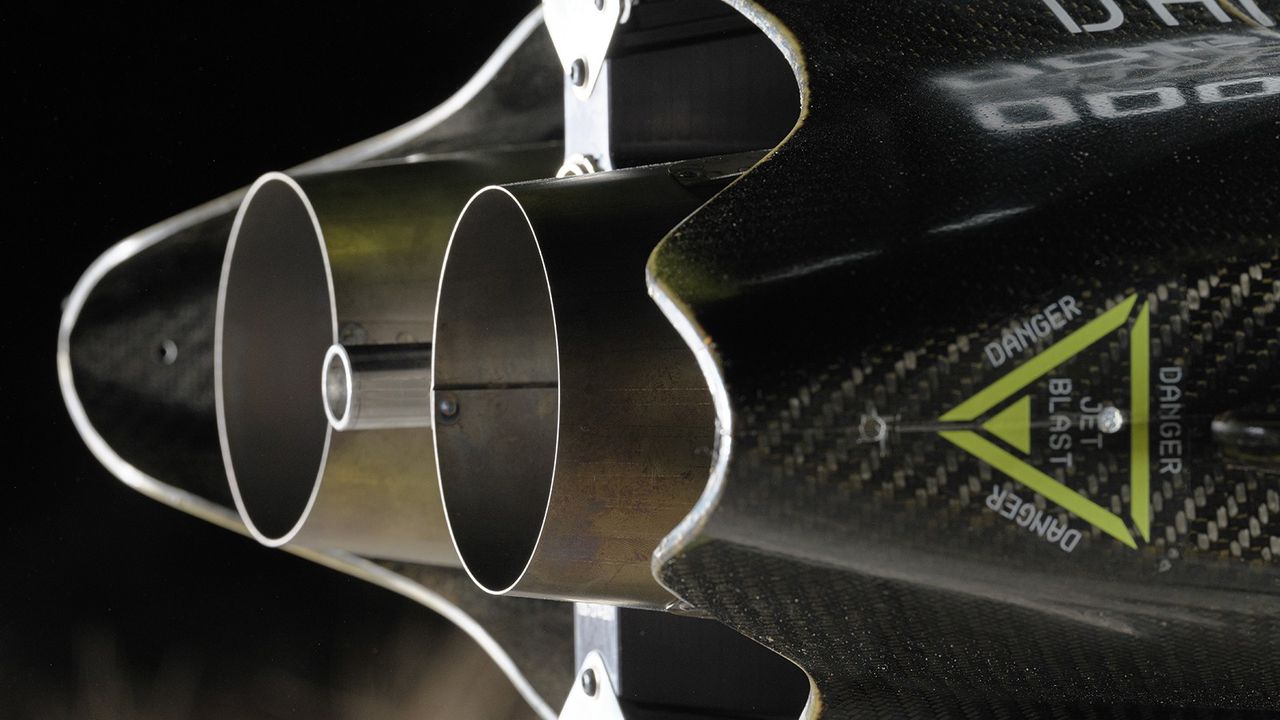
The system launches vertically using twin turbojets with vectored thrust for high maneuverability. Lattice AI autonomy software guides the interceptor to the target. If the threat is defeated by other means, Roadrunner can land and be recovered for reuse.
Primary Capability
Autonomous aerial interception of UAS, cruise missiles, and low-flying aircraft using AI-guided kinetic engagement.
Combat Record / Operational History
Combat evaluation with US forces since January 2024. $250 million Pentagon contract awarded October 2024 for 500+ units. $642 million contract with US Marine Corps in 2025.
Procurement Intelligence
SOCOM interest; rapid acquisition
Overview
Roadrunner represents a paradigm shift in air defense, combining autonomous AI with the revolutionary concept of a potentially recoverable interceptor.
Innovation
The ability to recover and reuse interceptors that don't need to engage their warhead could dramatically reduce the cost-per-engagement equation that currently favors drone attackers.
Rapid Scaling
Anduril has demonstrated ability to scale production rapidly, with the Pentagon contract calling for hundreds of units in initial production.
Marine Corps Adoption
The $642 million Marine Corps contract in 2025 signals broad service adoption of this new interceptor concept.
Technical Specifications
- Vertical takeoff and landing
- Twin turbojet propulsion
- Vectored thrust maneuverability
- Autonomous guidance
- Optionally recoverable
- Modular warhead options
Range
Multiple kilometers
Compatible Platforms
Deployed By
Key Features
- First recoverable interceptor
- AI-powered autonomy
- Vertical launch capability
- High maneuverability
- Multi-threat capability
Advantages
- Potential reusability reduces cost
- Effective against diverse threats
- Autonomous operation
- Rapid deployment
Limitations
- New technology maturity
- Recovery logistics
- Unit cost higher than expendable alternatives