Pulsar
AI-infused electronic warfare system providing networked jamming capability across multiple platforms.
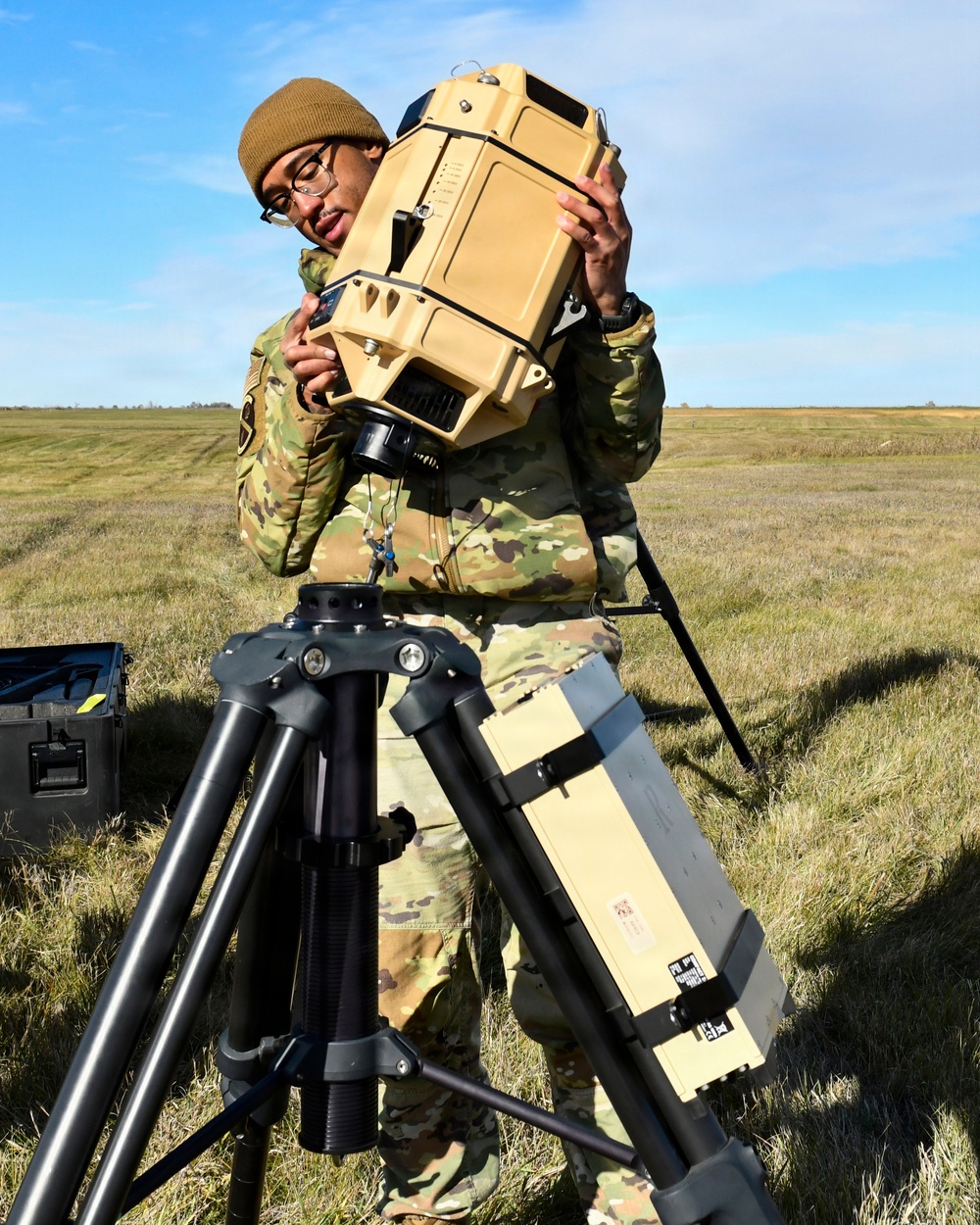
System Overview
What It Is
Pulsar is an AI-infused electronic warfare system that provides networked, coordinated jamming capability against drone threats across multiple deployment configurations.
How It Works
The system uses AI algorithms to identify and characterize drone signals, then generates optimized jamming waveforms. Multiple Pulsar units can network together via Lattice for coordinated effects.
Primary Capability
Networked electronic warfare providing coordinated jamming against drone control links and navigation systems.
Combat Record / Operational History
Operationally deployed in multiple global regions since August 2023.
Procurement Intelligence
SOCOM interest; rapid acquisition program
Overview
Pulsar represents the application of AI to electronic warfare, enabling adaptive, networked jamming that can respond to evolving drone threats.
Networked Operations
Multiple Pulsar systems can coordinate through Anduril Lattice network to provide overlapping coverage and synchronized jamming effects.
Platform Flexibility
Available in ground, vehicle, and aircraft configurations, Pulsar can be deployed where needed to address specific threat scenarios.
Technical Specifications
- AI-powered signal processing
- Networked operation
- Multi-platform deployment
- Adaptive jamming
- Ground, vehicle, and air configurations
- Lattice integration
Range
Varies by configuration
Compatible Platforms
Deployed By
Key Features
- AI-powered adaptation
- Networked coordination
- Multi-platform flexibility
- Integration with Lattice autonomy
Advantages
- Rapid adaptation to new threats
- Scalable deployment
- Software-defined capability
- Continuous updates
Limitations
- Electronic warfare limitations against autonomous drones
- Spectrum management requirements
- Network dependency for coordination