MORFIUS
Lockheed Martin MORFIUS (Morphing Reusable Fast Inexpensive UAS System) is a high-speed expendable drone designed to defeat enemy UAS swarms using high-power microwave effects.
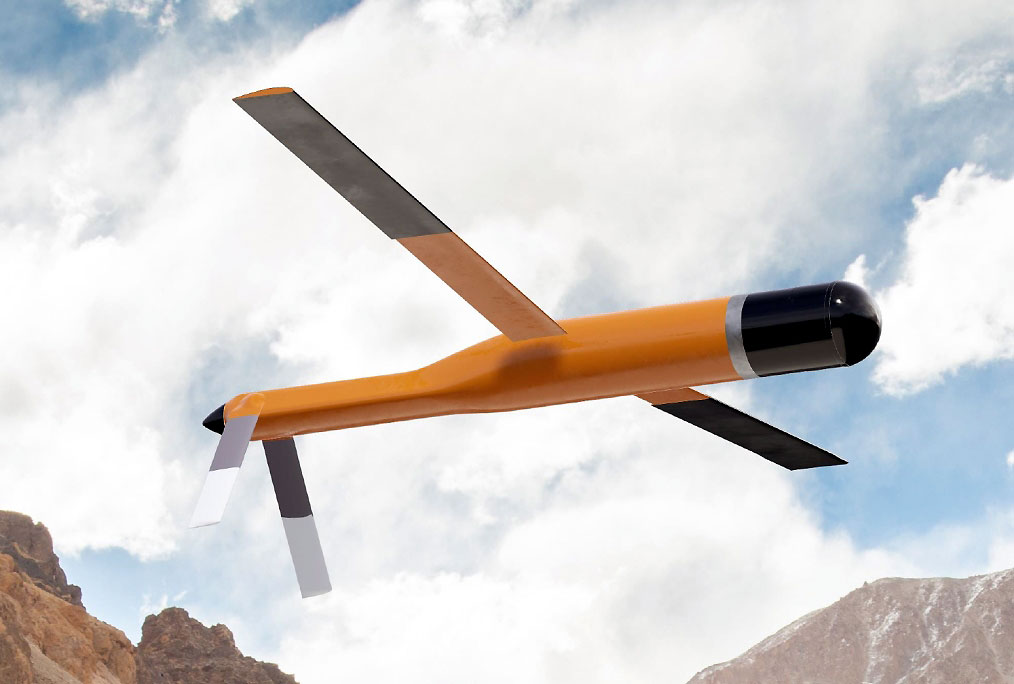
System Overview
What It Is
MORFIUS is Lockheed Martin's concept for a high-speed drone that carries a high-power microwave payload to defeat enemy UAS swarms. By flying into a swarm and emitting a powerful microwave pulse, a single MORFIUS can disable multiple drones simultaneously, offering a cost-effective counter-swarm capability.
How It Works
MORFIUS is launched from a tube and flies at high speed toward a detected drone swarm. Upon reaching the swarm, it activates its high-power microwave emitter, generating an electromagnetic pulse that fries the electronics of nearby drones, causing them to crash. The concept aims for the airframe to be recoverable and reusable, reducing cost per engagement.
Primary Capability
High-speed intercept and high-power microwave defeat of UAS swarms.
Overview
Lockheed Martin's MORFIUS (Morphing Reusable Fast Inexpensive UAS System) represents an innovative approach to the counter-swarm challenge: using a high-speed drone carrying a high-power microwave payload to disable entire groups of enemy drones in a single pass. In an era where adversaries can field large numbers of inexpensive drones, MORFIUS aims to restore the cost exchange ratio in favor of the defender.
Development History
MORFIUS was developed by Lockheed Martin's Skunk Works division as part of the defense industry's response to the emerging drone swarm threat. The concept recognized that engaging individual drones in a swarm with missiles or even directed energy weapons would be cost-prohibitive and operationally challenging. By combining a fast, inexpensive drone airframe with a high-power microwave payload, MORFIUS offers the potential to defeat many drones with a single engagement.
Operational Concept
In operation, MORFIUS would be cued by air defense radars or sensors that detect an incoming drone swarm. The MORFIUS drone is launched from a tube and accelerates to high speed, flying into the heart of the swarm. At the optimal moment, it activates its high-power microwave emitter, generating an intense electromagnetic pulse that disrupts and destroys the electronics of surrounding drones, causing them to lose control and crash. The design goal is for the MORFIUS airframe to survive the engagement and be recovered for reuse.
Future Development
MORFIUS continues in development with Lockheed Martin refining the airframe, microwave payload, and concept of operations. Key challenges include ensuring the HPM payload is powerful enough to defeat hardened drone electronics, achieving the reusability goal, and integrating MORFIUS into broader air defense architectures. The system represents one of several novel counter-swarm concepts under DoD evaluation.
Technical Specifications
- High-power microwave (HPM) payload
- High subsonic speed
- Tube-launched deployment
- Counter-swarm optimized
- Reusable airframe (design goal)
- Compact form factor
Compatible Platforms
Deployed By
Key Features
- Counter-swarm capability with single engagement
- High-power microwave defeat mechanism
- Cost-effective against mass drone attacks
- Rapid deployment from tube launcher
- Potential reusability
Advantages
- Can defeat multiple drones in single engagement
- Cost exchange ratio favorable against swarms
- Non-kinetic electronic defeat
- Rapid response time
Limitations
- Still in development and testing
- HPM effectiveness depends on target hardening
- Potential electromagnetic interference concerns
- Reusability goal technically challenging