Martlet
Thales Martlet (Lightweight Multirole Missile) is a British lightweight precision-guided missile with a proven counter-UAS role, deployed on helicopters, ships, and ground vehicles.
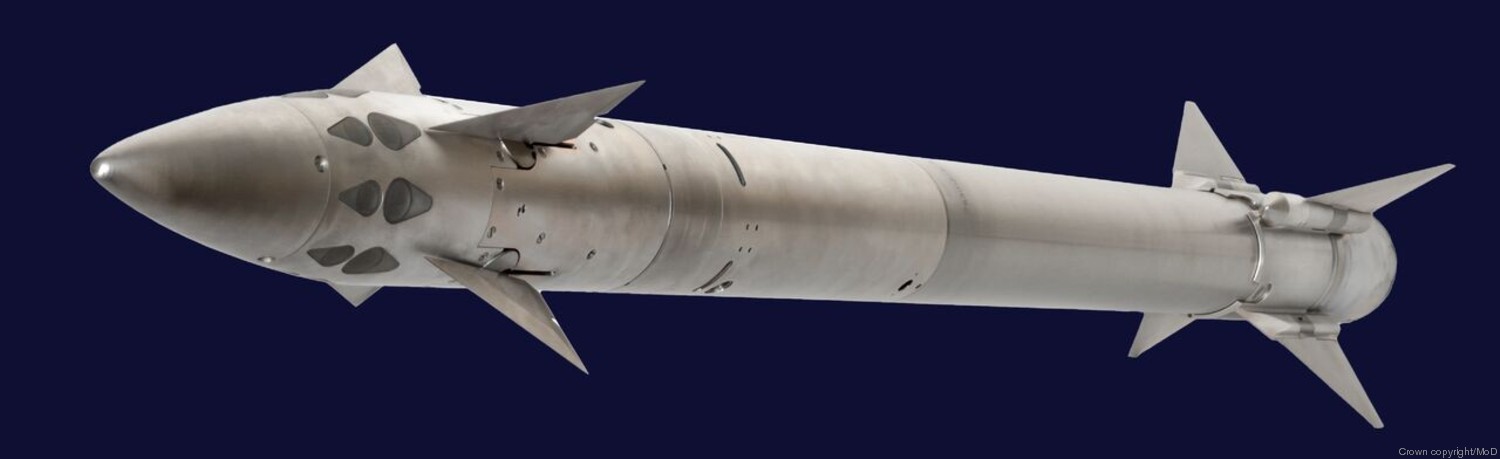
System Overview
What It Is
Martlet, also known as the Lightweight Multirole Missile (LMM), is a Thales UK precision-guided weapon designed to engage a wide range of small targets including fast boats, light vehicles, and unmanned aircraft. Its laser beam-riding guidance and lightweight form factor make it particularly suitable for the counter-UAS role.
How It Works
Martlet uses laser beam-riding guidance — the operator designates the target with a laser and the missile rides the beam to impact. This guidance method provides high accuracy against small, maneuvering targets like drones while being resistant to most countermeasures. The blast-fragmentation warhead is optimized for destroying light targets without excessive collateral damage.
Primary Capability
Lightweight precision-guided missile for engagement of small surface and air targets including UAS.
Combat Record / Operational History
Tested against drone targets in UK military exercises. Qualified for counter-UAS use on Wildcat helicopters and Royal Navy vessels.
Overview
The Thales Martlet, designated the Lightweight Multirole Missile (LMM), is a compact precision-guided weapon that has become a key element of the United Kingdom's counter-UAS capability. At just 13 kg, Martlet is light enough to be carried in large numbers on helicopters, ships, and vehicles, yet precise enough to hit small, maneuvering drone targets with high reliability thanks to its laser beam-riding guidance system.
Development History
Martlet was developed by Thales UK as a lightweight multi-role missile to replace the aging Sea Skua and provide British forces with a precision weapon for engaging small, elusive targets. The program was initiated in the 2000s with the missile entering qualification testing in the 2010s. As the counter-UAS mission gained urgency, Martlet was evaluated and qualified for the anti-drone role, offering a cost-effective guided munition significantly cheaper than full-size air defense missiles.
Operational Concept
In the counter-UAS role, Martlet is typically deployed on Wildcat helicopters or naval vessels equipped with a laser designator. When a drone threat is detected, the operator designates the target with a laser and launches the Martlet, which rides the laser beam with high precision to intercept the drone. The blast-fragmentation warhead ensures destruction even if the laser spot drifts slightly from a small target. Multiple Martlets can be carried per platform, enabling engagement of several drone threats in a single sortie.
Future Development
Thales is developing an active laser seeker variant of Martlet that would provide fire-and-forget capability against UAS targets, eliminating the need for continuous operator designation. Integration on additional platforms and enhanced warhead options are also being explored to expand Martlet's utility across the counter-UAS mission.
Technical Specifications
- Length: 1.3 m
- Weight: 13 kg
- Warhead: Blast fragmentation
- Guidance: Laser beam riding
- Speed: Supersonic
- Range: 8+ km
Range
8+ km
Compatible Platforms
Deployed By
Key Features
- Very lightweight at only 13 kg
- Laser beam-riding guidance for precision
- Multi-platform compatibility
- Low collateral damage warhead
- Supersonic speed
Advantages
- Excellent precision against small targets
- Very low cost relative to larger missiles
- Multi-platform flexibility
- Resistant to most countermeasures
Limitations
- Requires continuous laser designation
- Limited warhead for larger targets
- Line-of-sight engagement only
- Relatively short range compared to larger SAMs