LOCUST
Low-Cost UAV Swarming Technology — a US Navy program demonstrating the use of tube-launched drone swarms for offensive and counter-UAS saturation attack concepts.
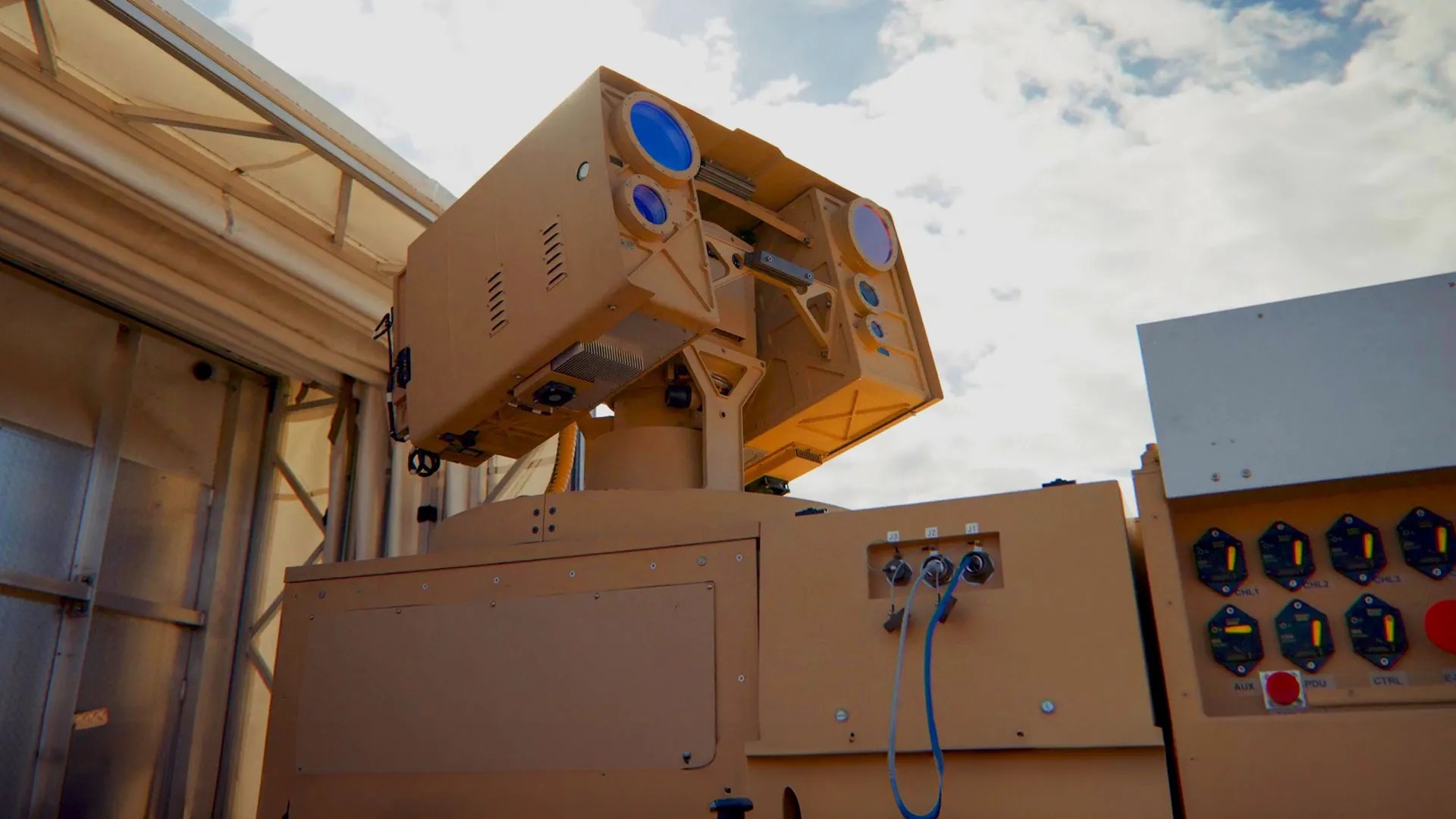
System Overview
What It Is
LOCUST (Low-Cost UAV Swarming Technology) is a US Navy Office of Naval Research program that demonstrated the capability to rapidly launch large numbers of small drones from tube launchers to form autonomous swarms. While primarily an offensive concept, the technology has direct application to counter-UAS operations through swarm-on-swarm engagement.
How It Works
LOCUST uses multi-tube launchers to rapidly fire dozens of Coyote-class small drones in quick succession. Once airborne, the drones autonomously form into a swarm using inter-drone communication and AI-based coordination algorithms. The swarm can be directed against surface targets, air targets, or enemy drone swarms, with individual elements maneuvering cooperatively to overwhelm defenses.
Primary Capability
Demonstration of tube-launched drone swarm technology for saturation attacks and counter-UAS swarming.
Overview
LOCUST (Low-Cost UAV Swarming Technology) is a US Navy Office of Naval Research technology demonstration program that showcased the ability to rapidly launch and autonomously coordinate swarms of small, inexpensive drones. While primarily demonstrated as an offensive capability, LOCUST's swarming technology has direct relevance to the counter-UAS mission, where friendly drone swarms could be used to intercept and overwhelm enemy drone attacks.
Development History
The LOCUST program was initiated by ONR to explore the military potential of drone swarm technology. Using modified Coyote small UAS as swarm elements, the program demonstrated rapid sequential launch from multi-tube launchers and autonomous swarm formation in flight. The demonstrations, conducted in the mid-2010s, proved that dozens of small drones could be launched in seconds and autonomously coordinate their flight paths using distributed algorithms.
Operational Concept
In the counter-UAS context, LOCUST-type swarms could be launched to intercept incoming enemy drone swarms. The friendly swarm would autonomously distribute among the incoming threats, with individual elements maneuvering to intercept hostile drones through kinetic impact or proximity effects. The key advantage is mass — by fielding large numbers of inexpensive interceptors, the defender can match or exceed the attacker's numbers, a critical requirement against swarm attacks that overwhelm traditional point defense systems.
Future Development
While LOCUST itself was a demonstration program, the technologies it proved — rapid mass launch, autonomous swarm coordination, and distributed decision-making — are being incorporated into operational programs across the DoD. The concept of using friendly swarms to counter enemy swarms remains an active area of research and development.
Technical Specifications
- Coyote-based drone swarm elements
- Multi-tube launcher system
- Autonomous swarm coordination
- Rapid sequential launch capability
- GPS and inter-drone communication
Compatible Platforms
Deployed By
Key Features
- Rapid mass launch of drone swarms
- Autonomous swarm coordination
- Low cost per swarm element
- Scalable swarm size
- Counter-swarm application potential
Advantages
- Overwhelms point defenses through mass
- Very low cost per engagement
- Autonomous operation reduces operator burden
- Applicable to both offensive and defensive missions
Limitations
- Swarm coordination technology still maturing
- Limited individual drone capability
- Communication-dependent swarm cohesion
- Concept demonstration, not fielded system