FAAD C2
Forward Area Air Defense Command and Control - the US Army interim command and control system for short-range air defense and counter-UAS integration.
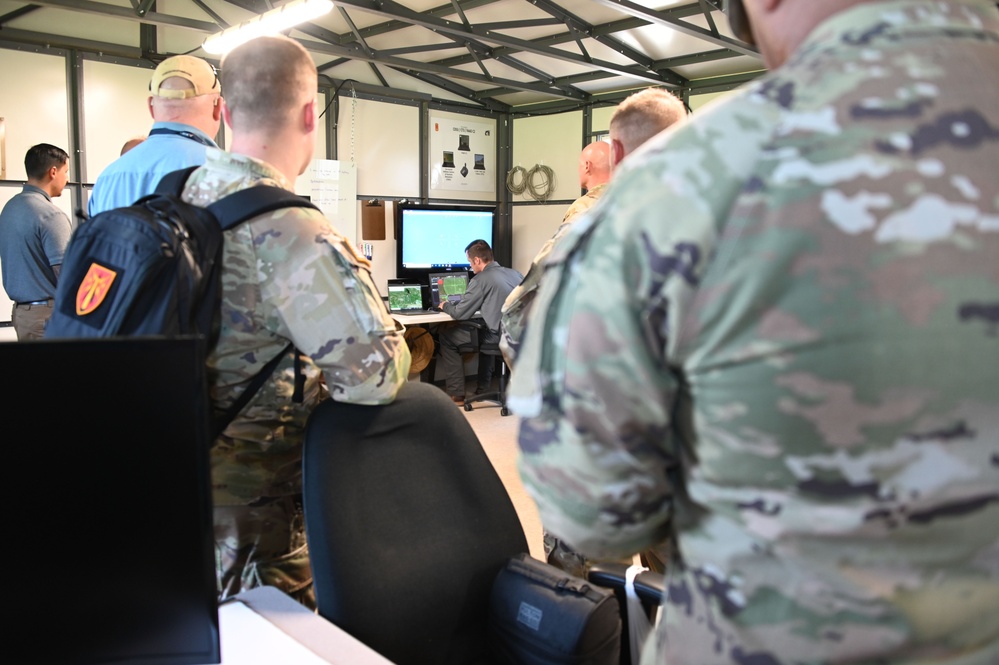
System Overview
What It Is
FAAD C2 (Forward Area Air Defense Command and Control) is the US Army designated interim command and control system that enables integrated short-range air defense and counter-UAS operations by connecting diverse sensors and effectors.
How It Works
The system aggregates data from multiple sensors including radars, EO/IR systems, and RF detectors, presenting a common operational picture. Operators can then assign and coordinate effectors against identified threats while maintaining situational awareness across the defended area.
Primary Capability
Open, multi-domain command and control architecture integrating sensors, effectors, and warning systems for short-range air defense and counter-UAS missions.
Combat Record / Operational History
Deployed with US Army divisions in the Baltic region and other forward-deployed locations for integrated air defense.
Overview
FAAD C2 serves as the critical command and control backbone for US Army short-range air defense and counter-UAS operations, enabling the integration of diverse sensors and effectors into a cohesive defensive capability.
Development History
Selected by the DoD as the interim C2 system for counter-small UAS procurements, FAAD C2 provides immediate capability while the Army transitions to the fully integrated IBCS architecture.
Operational Concept
The system enables distributed operations where sensors and effectors need not be co-located. A radar at one location can cue an effector at another, providing flexible defensive coverage.
Future Integration
FAAD C2 is designed with a clear integration pathway to IBCS, ensuring current investments transition smoothly to the future architecture.
Technical Specifications
- Open architecture design
- Multi-domain integration
- Real-time sensor fusion
- Distributed operations capability
- IBCS integration pathway
- Coalition interoperability
Compatible Platforms
Deployed By
Key Features
- Sensor-agnostic integration
- Any-sensor-to-any-shooter architecture
- Automated threat correlation
- Scalable deployment options
- Pathway to IBCS integration
Advantages
- Rapid deployment capability
- Integrates legacy and new systems
- Proven in operational deployments
- Continuous software updates
Limitations
- Interim solution pending IBCS
- Training requirements for operators
- Network dependency