DroneHunter F700
Autonomous interceptor drone that uses AI-guided nets to capture hostile UAS without kinetic destruction, minimizing collateral damage.
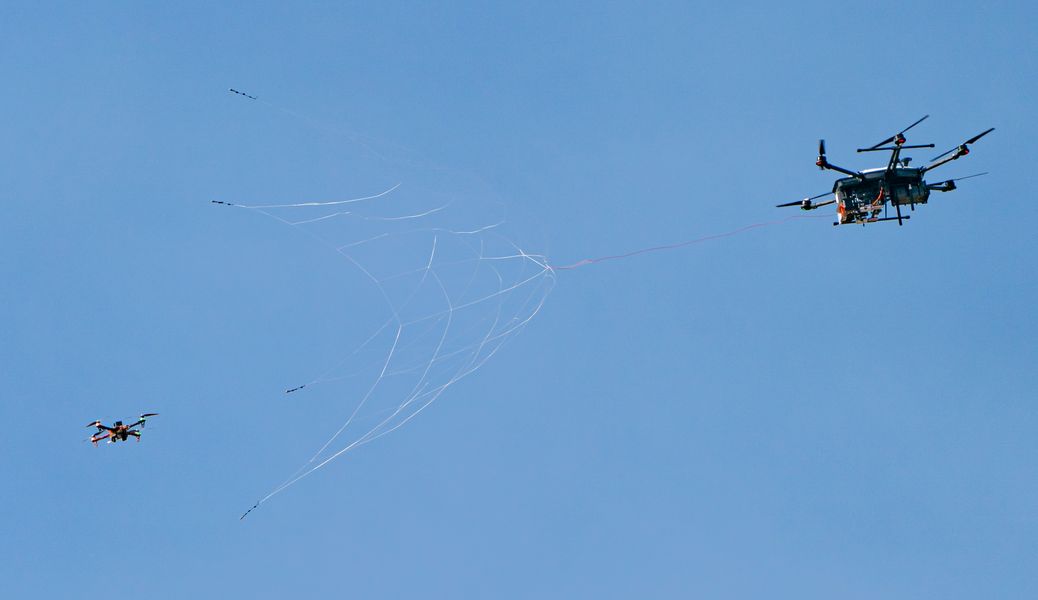
System Overview
What It Is
DroneHunter F700 is an autonomous counter-drone interceptor that uses artificial intelligence to pursue and physically capture hostile UAS. Unlike kinetic effectors that destroy targets, it uses a net-based capture system to neutralize threats without creating debris.
How It Works
The system uses AI algorithms to autonomously track and pursue hostile drones. Once in range, it deploys a capture net that entangles the target. The captured drone is then either towed to a safe location or lowered with a parachute, preventing damage to people or property below.
Primary Capability
Autonomous pursuit and non-lethal capture of hostile drones using net-based interception.
Combat Record / Operational History
Deployed for critical infrastructure protection and high-profile event security.
Procurement Intelligence
Multiple DoD contracts; integrated with SkyDome
Overview
DroneHunter F700 represents an innovative approach to counter-UAS operations by capturing rather than destroying hostile drones. This non-kinetic solution is particularly valuable in environments where collateral damage from debris is unacceptable.
Autonomous Operation
The system employs sophisticated AI algorithms that enable:
- Autonomous Detection: Integration with ground-based sensors
- Pursuit Logic: Optimal intercept trajectory calculation
- Capture Execution: Precision net deployment
Capture Technology
Unlike jammers or kinetic interceptors, DroneHunter physically captures targets using a specialized net system. Once captured, the target can be:
- Towed to a designated safe area
- Lowered with an integrated parachute
- Retrieved for forensic examination
Operational Advantages
The 85% autonomous capture success rate makes DroneHunter effective for protecting sensitive facilities where traditional kinetic options pose risks. It is integrated with the FAAD C2 architecture, allowing coordinated employment alongside other C-UAS systems.
Use Cases
Ideal deployment scenarios include:
- Airports and aviation facilities
- Stadiums and large public events
- Critical infrastructure
- Urban environments
Technical Specifications
- Autonomous AI-guided flight
- Net capture system
- Parachute recovery of captured drones
- 85% autonomous capture success rate
- Multi-drone coordination capable
Compatible Platforms
Deployed By
Key Features
- Fully autonomous operation
- AI-guided pursuit and capture
- Non-destructive neutralization
- Forensic evidence preservation
- Safe for populated areas
Advantages
- No collateral damage from debris
- Preserves drone for forensic analysis
- Safe for use over populated areas
- 85% capture success rate
- Can operate in GPS-denied environments
Limitations
- Limited to single-target engagement
- Weather dependent operations
- Target size limitations
- Requires launch infrastructure