Coyote Block 1
The original Raytheon Coyote expendable drone interceptor, a tube-launched small UAS designed for both reconnaissance and kinetic defeat of Group 1 drone threats.
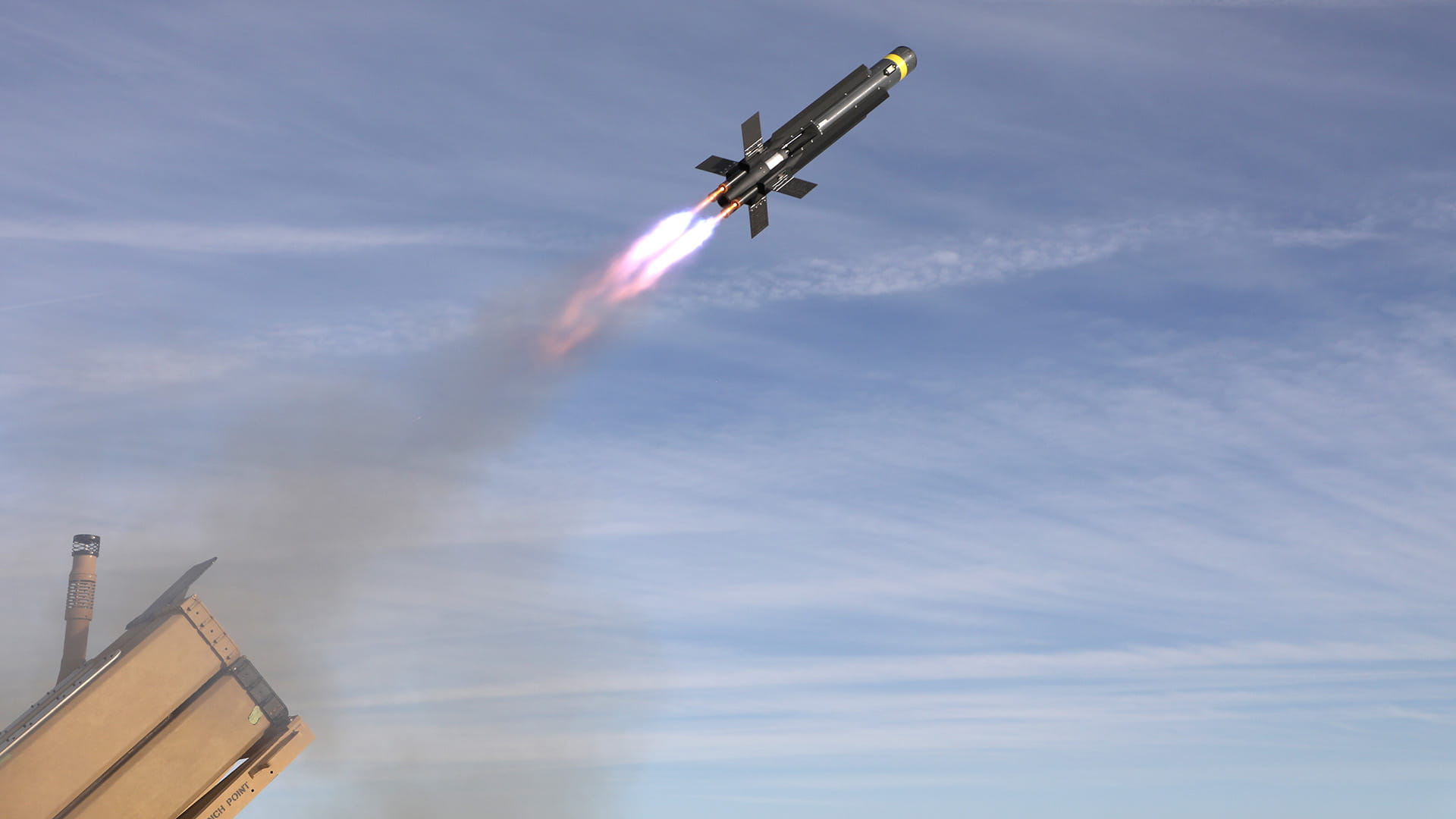
System Overview
What It Is
Coyote Block 1 is the original variant of the Raytheon Coyote family of small expendable unmanned aircraft systems. Initially developed as a reconnaissance drone, it was adapted for the counter-UAS mission to provide a low-cost kinetic intercept capability against Group 1 drones.
How It Works
The Coyote Block 1 is launched from a pneumatic tube launcher and guided toward the target using GPS waypoint navigation and a terminal seeker. On approach, its blast-fragmentation warhead detonates in proximity to the target UAS, destroying it. The system can also be used in a surveillance role with an onboard camera payload.
Primary Capability
Kinetic intercept of small UAS targets using a tube-launched expendable drone with warhead.
Combat Record / Operational History
Deployed to the Middle East for base protection duties and used operationally against small drone threats.
Overview
Coyote Block 1 is the foundational variant of the Raytheon Coyote family, originally conceived as a small expendable reconnaissance drone that was later adapted for the counter-UAS mission. Weighing under six kilograms, it can be launched from a pneumatic tube and either loiter for ISR collection or fly a kinetic intercept profile against hostile small drones. It represented one of the earliest purpose-adapted kinetic defeat options for the US military's counter-small-UAS toolkit.
Development History
The Coyote program began under the Office of Naval Research and Raytheon as a low-cost, expendable ISR platform capable of launch from sonobuoy tubes aboard Navy aircraft. As the small UAS threat emerged in Iraq and Syria in 2016-2017, the Army urgently needed affordable kinetic interceptors. Raytheon adapted the Coyote Block 1 airframe with a blast-fragmentation warhead, enabling it to physically destroy incoming drones. This dual-use heritage gave the program a rapid development timeline, leveraging an already mature air vehicle.
Operational Concept
In the counter-UAS role, Coyote Block 1 is cued by external sensors such as the KURFS radar or an EO/IR tracker. Upon detection of an inbound threat, an operator launches the Coyote from its tube, and the interceptor navigates to the target area via GPS guidance. In the terminal phase, it uses onboard sensors to close on the threat and detonates its warhead in proximity. Multiple Coyotes can be launched in rapid succession to engage swarm threats.
Future Development
Coyote Block 1 has been largely superseded by the more capable Block 2+ and Block 3 variants, which offer improved seekers, longer range, and enhanced warheads. However, the Block 1 remains in inventory and continues to serve as a training round and low-cost option. Lessons from Block 1 operations directly informed the design improvements in subsequent variants.
Technical Specifications
- Length: ~60 cm
- Weight: ~5.9 kg
- Endurance: ~60 minutes (ISR mode)
- Speed: ~60 knots cruise
- Warhead: Blast fragmentation
- Launch: Pneumatic tube or sonobuoy tube compatible
Range
~5 km
Compatible Platforms
Deployed By
Key Features
- Tube-launched for rapid deployment
- Dual-use ISR and kinetic intercept
- Low cost per round
- Compatible with multiple launch platforms
- GPS and terminal guidance
Advantages
- Very low cost compared to missiles
- Rapid reload capability
- Effective against Group 1 UAS
- Can be networked with detection radars
Limitations
- Single-use expendable munition
- Limited effectiveness against faster Group 2-3 UAS
- Requires external cueing from radar or EO sensor
- Shorter range than later Coyote variants