CHIMERA
Counter Hostile Intelligence and Multi-Environment Reconnaissance Asset — a multi-mission counter-UAS and ISR system designed for contested environments.
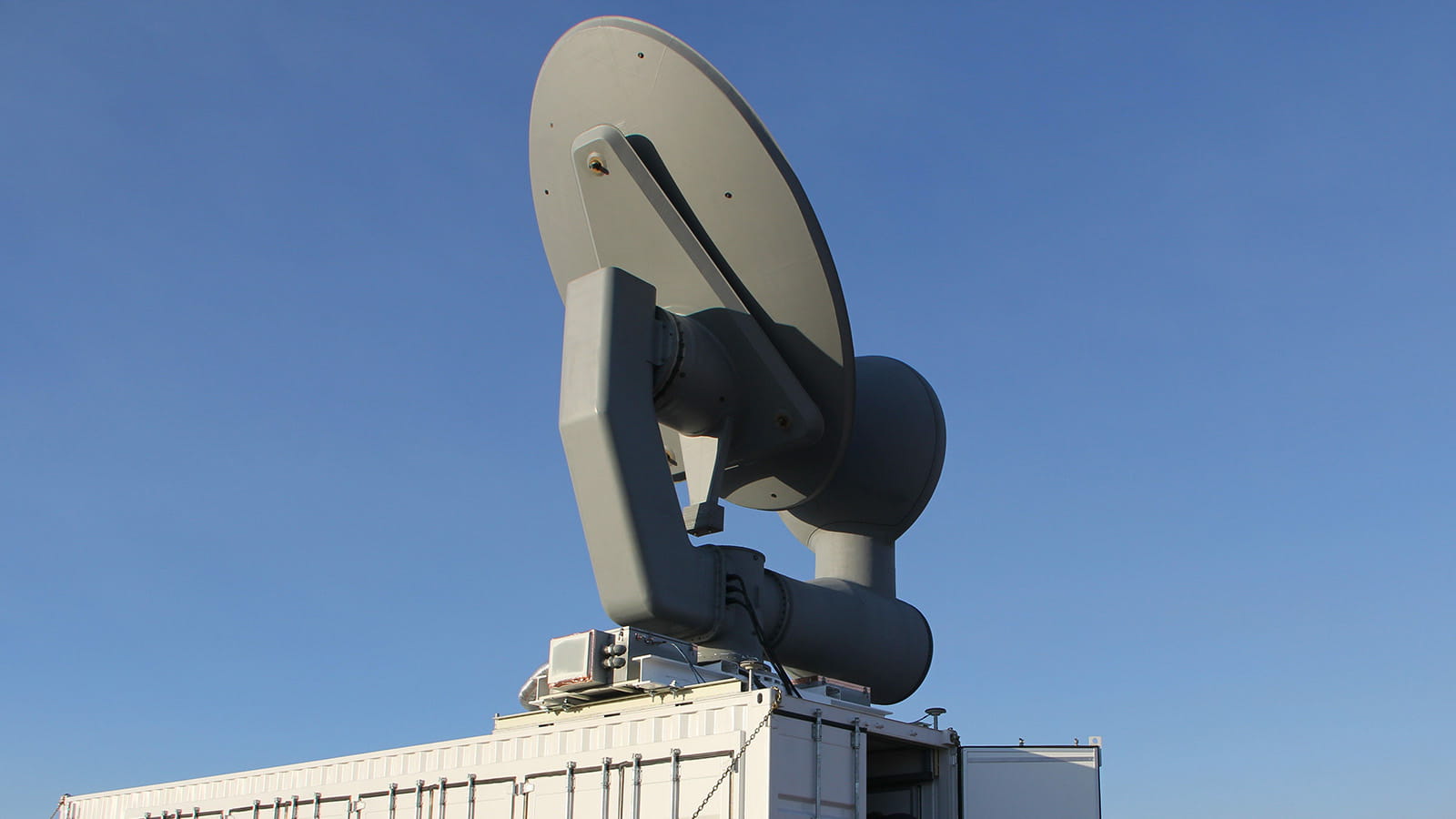
System Overview
What It Is
CHIMERA (Counter Hostile Intelligence and Multi-Environment Reconnaissance Asset) is a US Army development program for an advanced multi-mission system that combines counter-UAS capabilities with intelligence collection and reconnaissance in contested electromagnetic environments.
How It Works
CHIMERA integrates multiple sensor types — radar, electro-optical/infrared, radio frequency, and acoustic — with AI-powered processing to detect, classify, and track UAS threats across different environments. The system can operate in electronically contested conditions where GPS and communications may be degraded, using autonomous onboard processing to maintain capability.
Primary Capability
Multi-environment counter-UAS detection and defeat with integrated reconnaissance capability.
Overview
CHIMERA (Counter Hostile Intelligence and Multi-Environment Reconnaissance Asset) represents the US Army's push toward multi-mission systems that can conduct counter-UAS operations while simultaneously performing intelligence collection and reconnaissance. Designed for contested environments where adversaries actively jam GPS and communications, CHIMERA emphasizes autonomous operation and resilient sensor processing.
Development History
CHIMERA was developed under the Army's Rapid Capabilities and Critical Technologies Office (RCCTO) in response to lessons learned from modern conflicts where adversaries combine drone attacks with electronic warfare to degrade defensive capabilities. The program recognized that future counter-UAS systems must be able to operate effectively even when the electromagnetic environment is heavily contested, requiring greater autonomy and onboard processing.
Capabilities
The system combines multiple sensor modalities — including radar, electro-optical/infrared cameras, radio frequency detectors, and acoustic sensors — with AI-powered fusion and classification algorithms. This multi-modal approach provides resilience against adversary countermeasures, as the system can continue to detect and track threats even if individual sensor types are jammed or degraded. The reconnaissance capability allows CHIMERA to characterize the threat environment and collect intelligence on adversary UAS operations.
Future Development
CHIMERA is progressing through development and testing phases, with the Army evaluating its performance in realistic contested scenarios. Future development will focus on enhanced AI algorithms for autonomous operation, expanded effector integration, and networking with the broader air defense architecture. The multi-mission concept may serve as a model for future C-UAS system design.
Technical Specifications
- Multi-sensor suite (radar, EO/IR, RF, acoustic)
- AI-enabled threat classification
- Multi-effector integration
- Electronic warfare capabilities
- Mobile and deployable configuration
Compatible Platforms
Deployed By
Key Features
- Multi-environment operational capability
- AI-enabled autonomous processing
- GPS-denied operation
- Dual-use C-UAS and ISR
- Resilient in contested EM environment
Advantages
- Operates in contested electromagnetic environments
- Dual-use reduces logistics burden
- AI automation enables rapid response
- Multi-environment capability
Limitations
- Still in development phase
- Complex multi-mission system
- May be too specialized for widespread fielding
- Limited public information available