ALPS
Army Long-Range Persistent Surveillance - passive sensor system providing early warning detection without emitting signals.
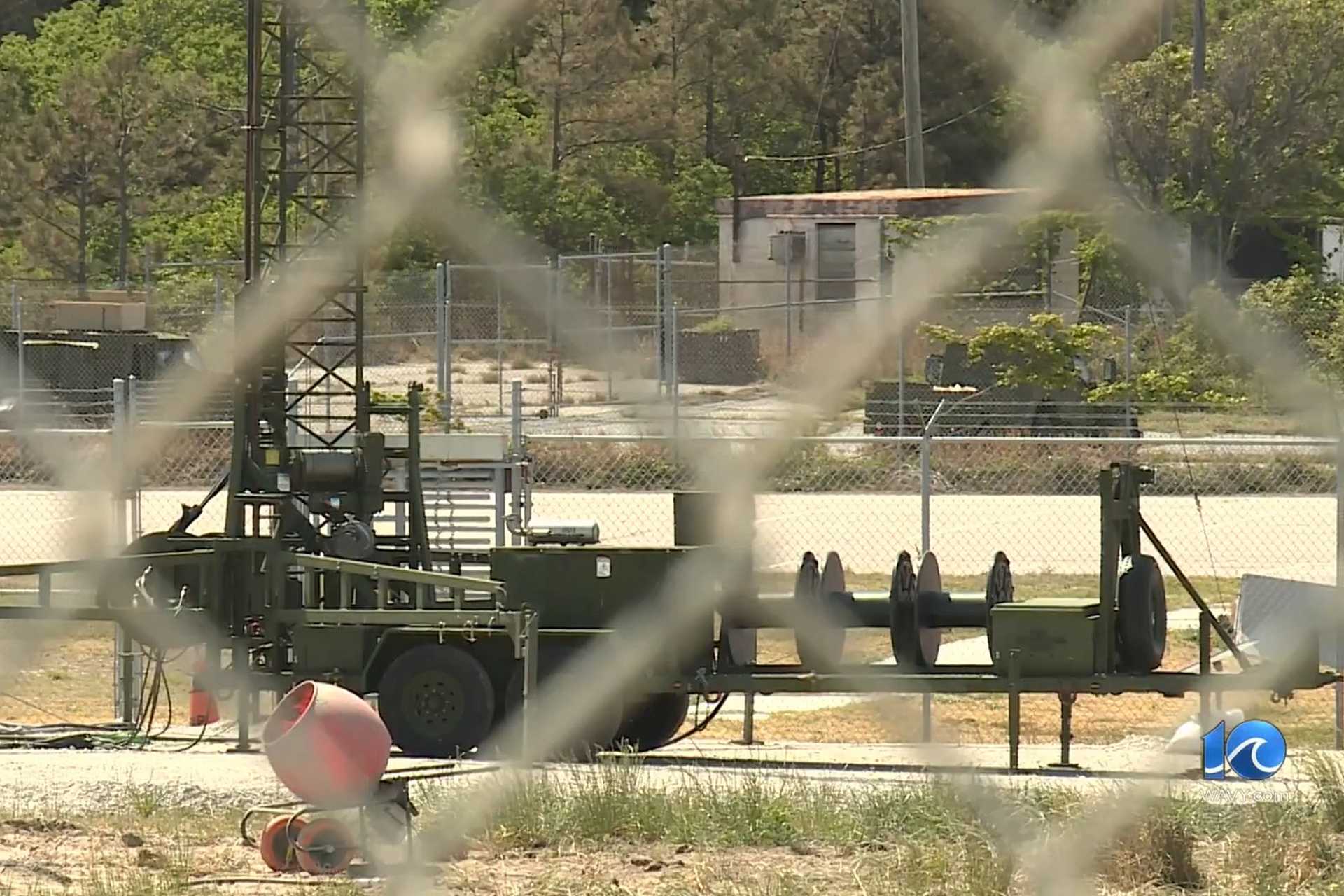
System Overview
What It Is
ALPS (Army Long-Range Persistent Surveillance) is a passive sensor system used for early warning detection, capable of scanning wide areas to identify potential threats without emitting signals that would reveal its location.
How It Works
ALPS detects targets through passive means without actively transmitting. When threats are detected, ALPS cues active sensors like radar for precise tracking.
Primary Capability
Passive long-range surveillance and early warning without active emissions, cueing other sensors.
Overview
ALPS provides the US Army with passive surveillance capability, enabling detection of aerial threats without revealing the sensor's presence.
Passive Advantage
In contested environments, passive sensors offer survivability by not emitting detectable signals.
Technical Specifications
- Passive detection
- Long-range surveillance
- Wide area scanning
- No active emissions
- Cue-to-track capability
Compatible Platforms
Deployed By
Key Features
- Completely passive operation
- Long-range detection
- Wide area coverage
- Sensor cueing capability
- Low probability of intercept
Advantages
- Undetectable by adversary
- Persistent surveillance
- Early warning capability
- Complements active sensors
Limitations
- Less precise than active radar
- Weather/environment dependent
- Requires active sensor confirmation