All Articles
Latest articles and analysis on counter-UAS technology and drone warfare

WATCH: Ukrainian Partisans Torch Communications Tower Near Moscow
Ukrainian partisans from the Atesh movement claim to have sabotaged a communications tower critical to Russian air defense operations near Moscow, disrupting command and control capabilities. This action highlights the expanding reach and effectiveness of Ukrainian resistance efforts deep within Russian territory.

Securing the Skies: Detecting and Responding to Drone Threats on the Drone Radio Podcast
Logan Harris, CEO of Spotter Global, discusses the increasing threat posed by drones and how the company leverages advanced detection and Remote ID technologies to secure critical infrastructure and public events. The podcast also explores the evolving landscape of airspace security as regulations and technologies advance.

Trump’s Transportation Secretary Duffy & FAA Administrator Bedford Announce Two New Designated Sites for Testing Drones and Other Unmanned Aircraft Systems
The U.S. Department of Transportation and FAA announced two new UAS test sites in Oklahoma and Indiana to advance drone technology development and integration into the National Airspace System (NAS). These sites will focus on Beyond Visual Line of Sight (BVLOS) operations, autonomous systems, and commercial drone applications.
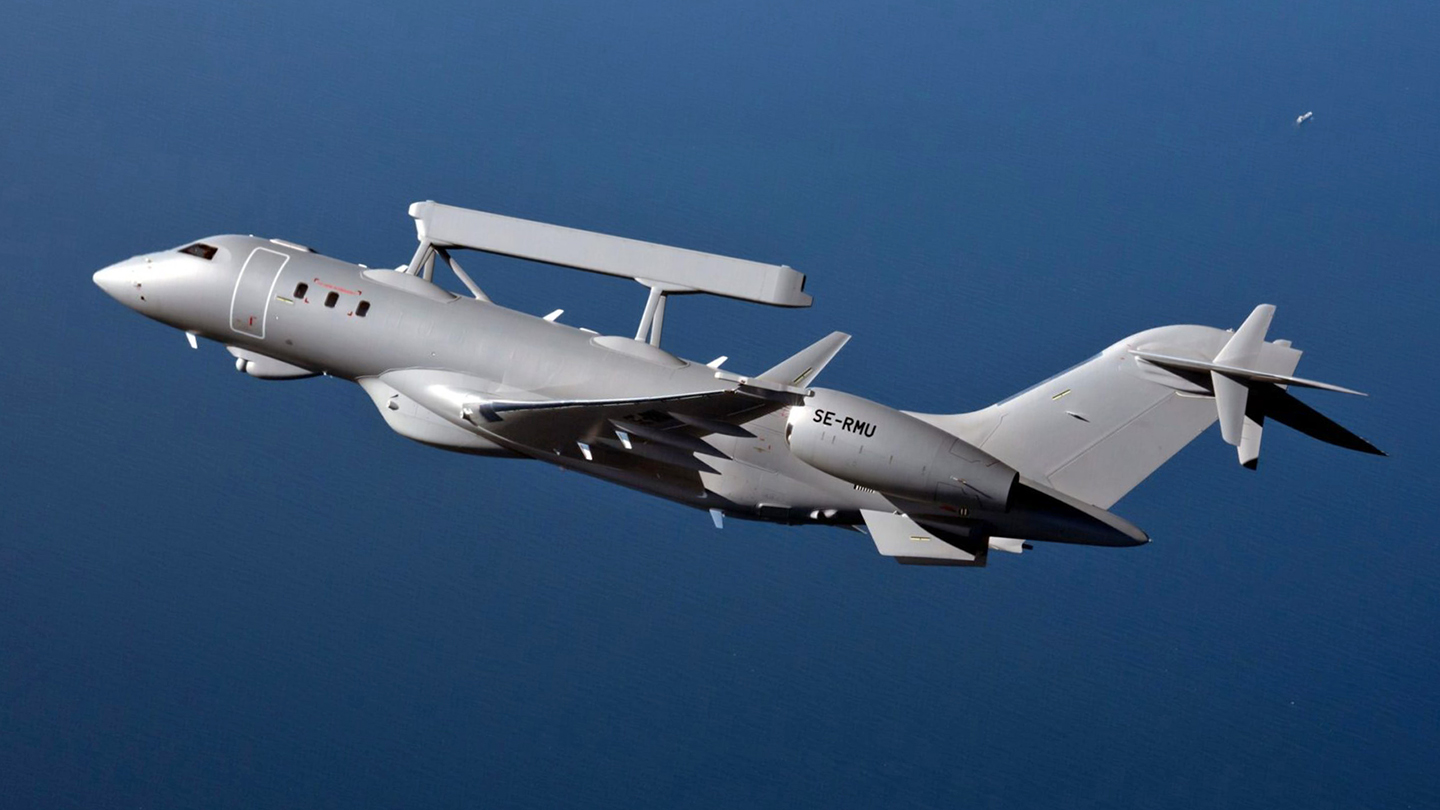
Canadian NORAD Commander Explains Urgent Need For Better Sensing
The Canadian NORAD Commander, Maj. Gen. Chris McKenna, emphasized the urgent need for modernized sensing capabilities, including space-based ISR and counter-UAS systems, to address emerging threats in the Arctic and critical infrastructure. Canada is deploying the Leonardo Falcon Shield system for RF-based drone detection and interception, with plans to expand capabilities to kinetic and directed energy solutions.

Mach Industries Introduces Dart™, a Scalable Counter-UAS System Designed to Defeat Adversarial Swarm Threats
Mach Industries has introduced Dart™, a scalable counter-UAS system designed to counter Group 1-3 drone threats, including swarm attacks. The system integrates detection, tracking, command-and-control, and engagement capabilities, leveraging proprietary radar and low-cost interceptors for high-throughput operations in contested environments.
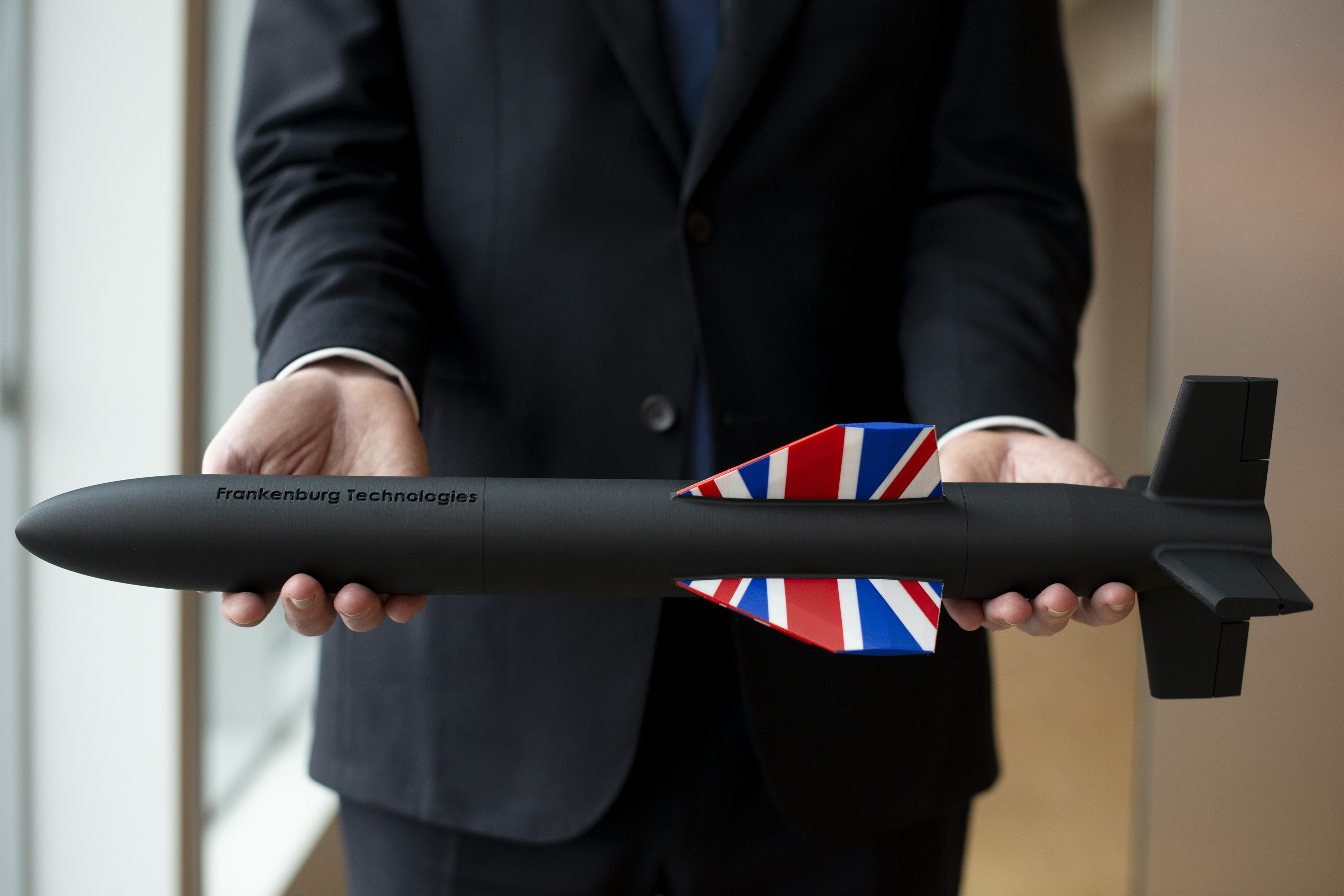
Babcock, Frankenburg plan launcher for ‘smallest’ anti-drone missile
British defense firm Babcock and Estonian startup Frankenburg Technologies are collaborating to develop a containerized launcher for Frankenburg's low-cost Mark 1 anti-drone missile, designed for mass production and rapid deployment. The system aims to provide affordable and scalable maritime counter-drone defenses, addressing the growing threat of drones in modern warfare.
Babcock, Frankenburg plan launcher for ‘smallest’ anti-drone missile
British defense firm Babcock and Estonian startup Frankenburg Technologies are collaborating to develop a containerized launcher for the Mark 1 missile, the world's smallest guided missile, aimed at providing cost-effective maritime counter-drone solutions. The Mark 1 missile is designed for rapid mass production and affordability, addressing the growing threat of drones in modern warfare.
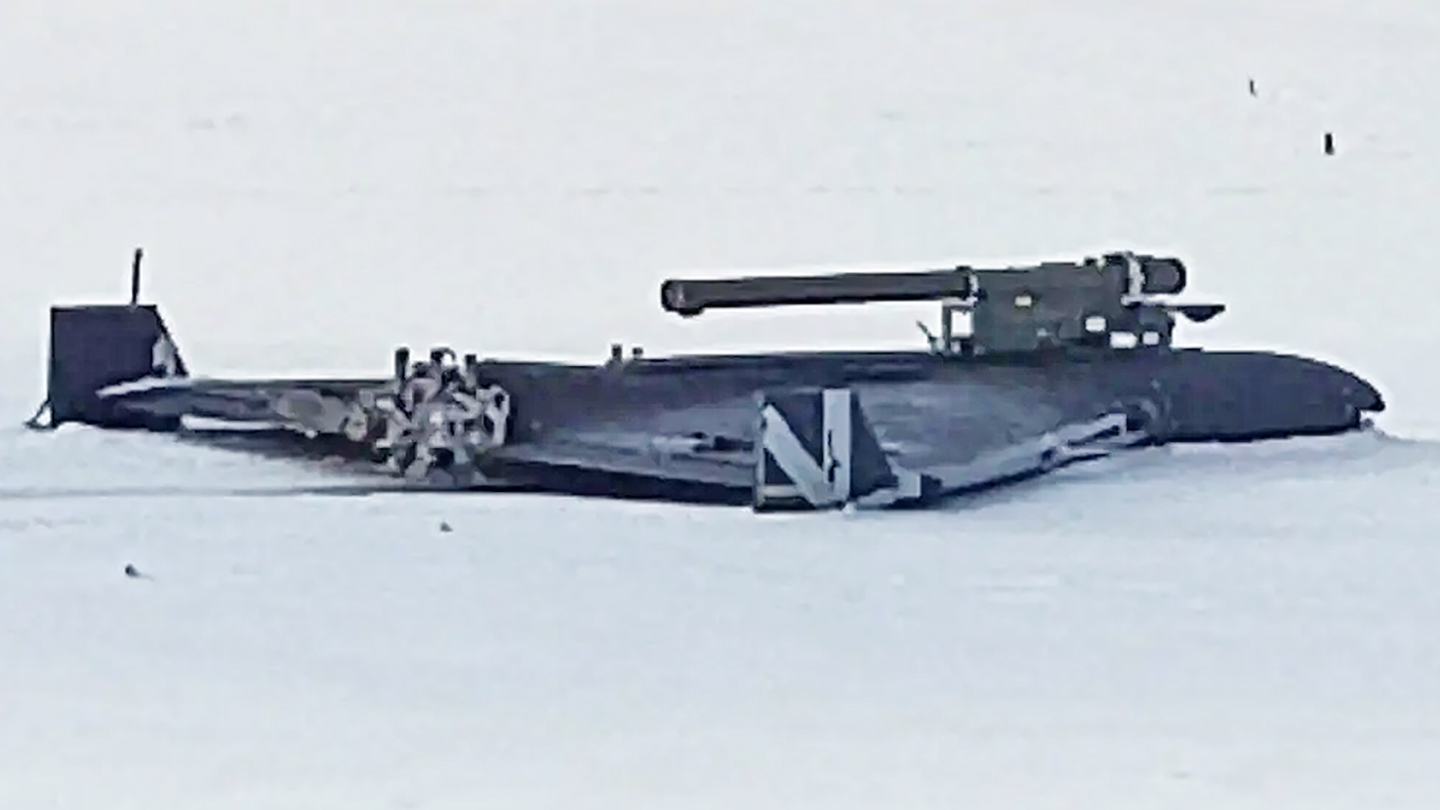
Russian Shahed-136 Kamikaze Drones Now Carrying MANPADS Missiles
Russia has modified its Shahed-136 kamikaze drones, equipping them with MANPADS such as the Igla-S or Verba, to target Ukrainian helicopters and aircraft. These drones now feature man-in-the-loop control, improved datalink capabilities, and potential beyond-line-of-sight operations, marking a significant evolution in their utility.

Drone hunter-killer MADIS vehicles now being produced for Marines
The U.S. Marines have begun production and training on the Marine Air Defense Integrated System (MADIS), a short-range counter-UAS and air defense system mounted on Joint Light Tactical Vehicles. The system features advanced targeting algorithms, sensor capabilities, and flexibility for future upgrades, replacing the older MANPADs system.

Rapidly Developed Counter-Drone Prototype Succeeds at NATO's ...
A new counter-UAS detection system, developed by the Naval Postgraduate School, was successfully tested during NATO's Bold Machina exercise in the Netherlands. The system, deployed on a Dutch Navy craft, utilized a combination of sensors including acoustic, EO/IR, RF, and radar to detect and track drones.