All Articles
Latest articles and analysis on counter-UAS technology and drone warfare
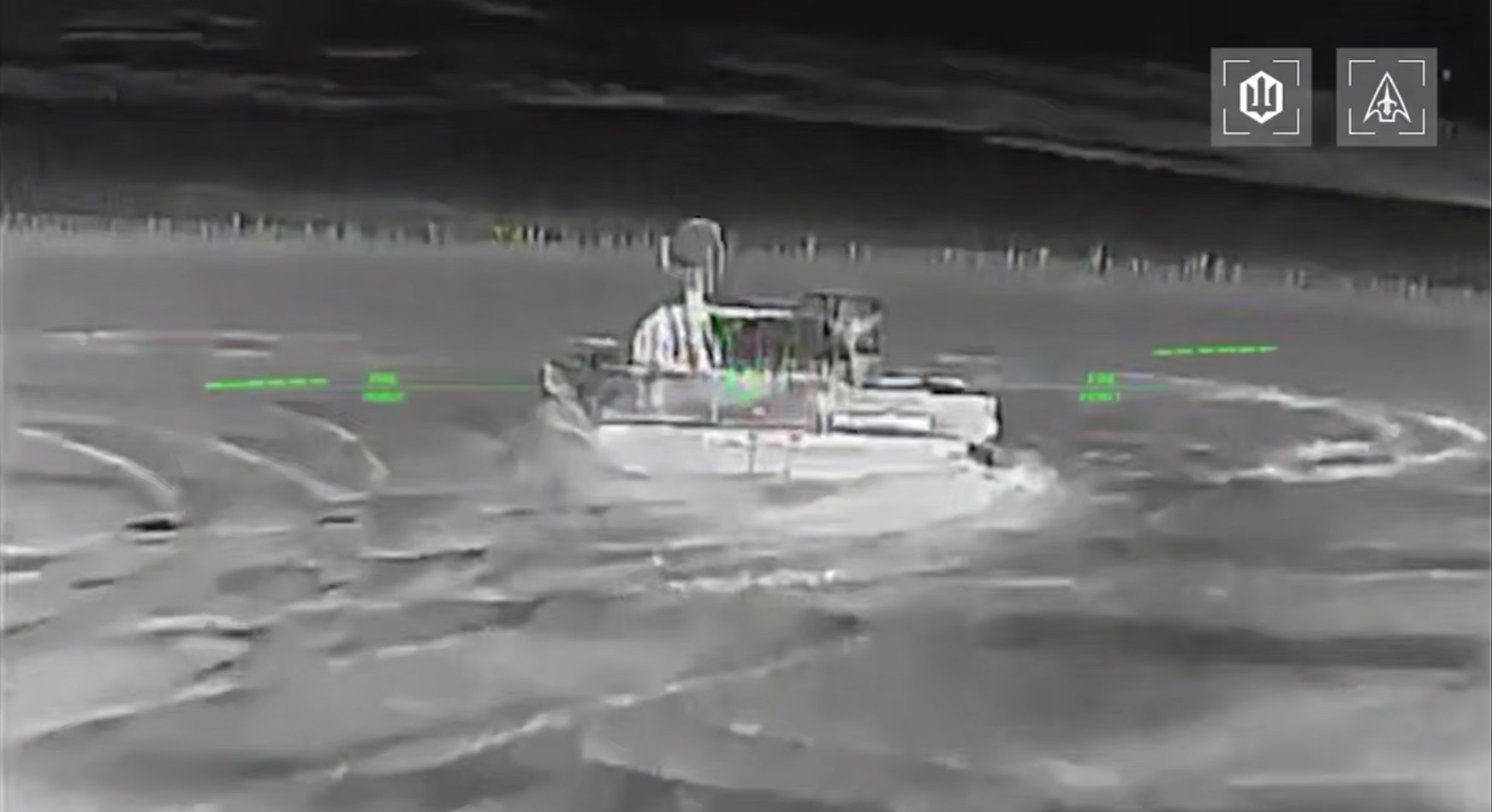
$75M Russian Air Defenses Downed as Ukraine Strikes Multiple Russian Positions in Zaporizhzhia
Ukrainian forces, utilizing unmanned systems, successfully destroyed three Russian Tor-M1 short-range air defense systems in Zaporizhzhia, inflicting $75 million in losses. Concurrently, Ukraine conducted strikes on multiple Russian positions, including UAV command posts, warehouses, and troop concentrations, while leveraging recent disruptions to Russian Starlink communications.

Russian Drones Strike Naftogaz Oil and Gas Facility in Poltava Region
Russian forces conducted a targeted drone strike on a Naftogaz oil and gas facility in Ukraine's Poltava region, causing significant damage and a fire. This attack is part of a sustained campaign against Ukraine's energy infrastructure, which has escalated in frequency over recent years.

Around the Commercial Drone Industry: Training Schools, New NPRM Comments, El Paso Airport Closure
The article highlights advancements in UAS training in the UK, ongoing debates around FAA's Part 108 BVLOS NPRM, and challenges posed by counter-UAS operations, as seen during the El Paso airport closure. These developments underscore the growing importance of UAS operations and the need for balanced integration of counter-UAS technologies in civilian airspace.
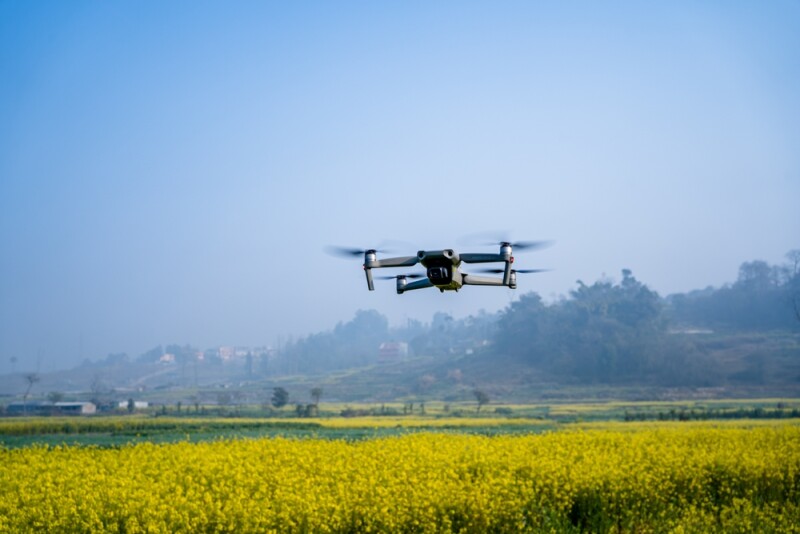
How Part 108 Could Shape Global BVLOS Regulation
The FAA's upcoming Part 108 regulation for beyond visual line-of-sight (BVLOS) drone operations is expected to set a global precedent, much like Part 107 did for visual line-of-sight operations. It emphasizes performance-based safety outcomes, scalable certification models, and integration with uncrewed traffic management systems, potentially influencing regulatory frameworks worldwide.

Zelensky Rules Out Donbas Withdrawal, Warns DPRK Troops Learning Drone Warfare in Russia
Ukrainian President Zelensky has ruled out territorial concessions in Donbas while warning of North Korean troops gaining drone warfare expertise in Russia. He emphasized the importance of air defense cooperation with Japan and highlighted Ukraine's advancements in naval drones and cybersecurity as potential areas for collaboration.

AI Takes Flight: Five Companies Advancing Defense and Aerospace ...
The U.S. Department of Defense has requested $66 billion for IT spending in fiscal 2026, emphasizing artificial intelligence as a top priority. The global AI in defense and aerospace market is projected to grow significantly, with companies like Starfighters Space advancing in aerospace development through critical design reviews.

Governor Kelly Announces $3M to Develop Unmanned Aerial Systems Technology for Agricultural Research
Kansas Governor Laura Kelly announced a $3 million grant to Kelly Hills Unmanned Systems to develop Beyond Visual Line of Sight (BVLOS) UAS technology for agricultural applications. The initiative aims to enhance precision agriculture, improve efficiency, and position Kansas as a leader in unmanned aviation and agricultural innovation.
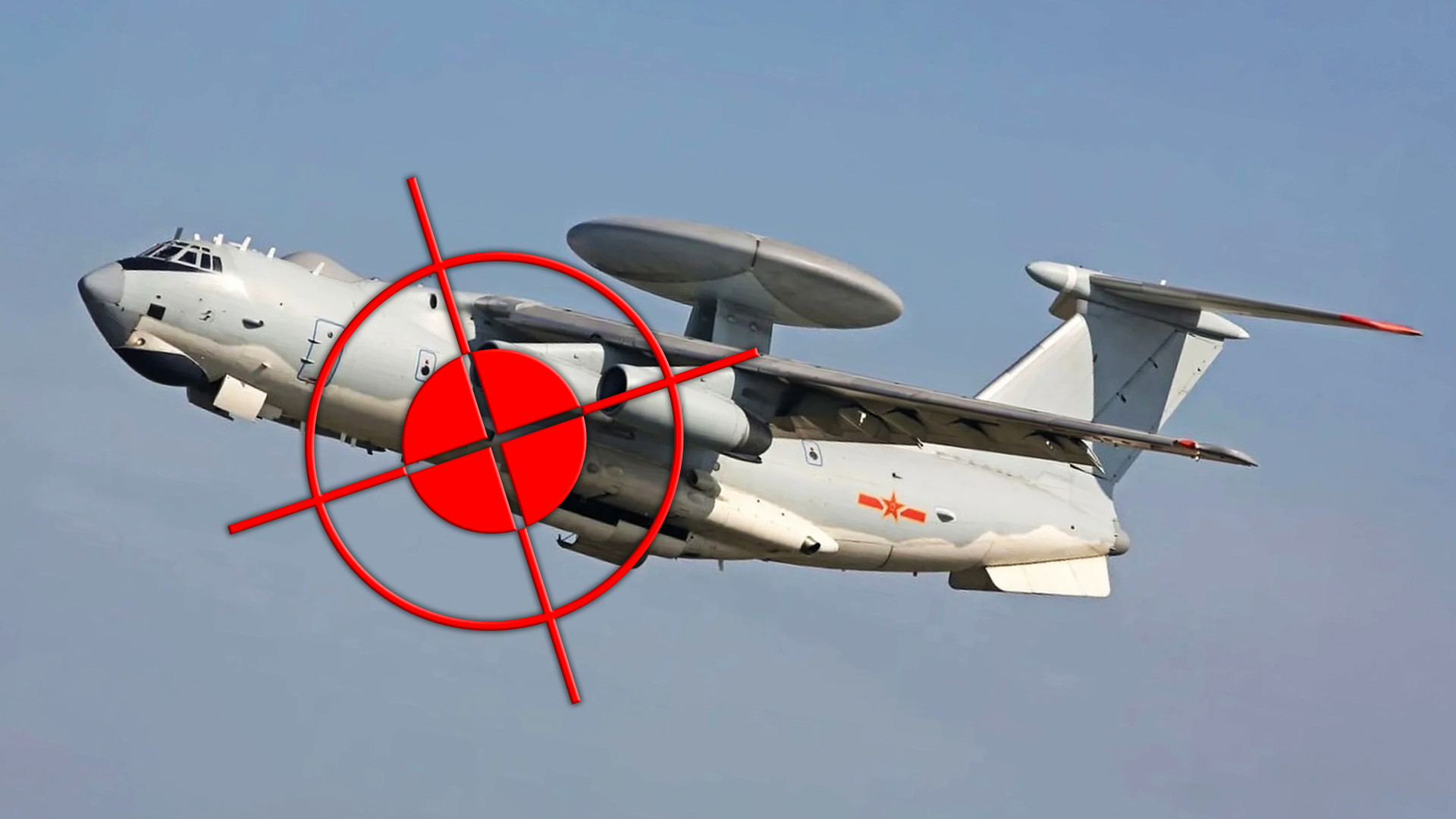
Hunt For “AWACS Killer” Anti-Radiation Missile Kicked-Off By Navy
The U.S. Navy is developing the Advanced Emission Suppression Missile (AESM), a next-generation anti-radiation missile capable of targeting both ground-based air defenses and airborne assets like AEW&C planes. This missile aims to enhance range, precision, and counter-countermeasure capabilities, potentially addressing high-end threats from adversaries like China.
AI, Starlink & Fiber Optics: How Drones Created a 20km Kill Zone in Ukraine & What It Means for Future Wars?
Drones have become a dominant force in the Ukraine conflict, creating a 20km 'kill zone' along the front lines. This transformation is driven by technologies like AI, Starlink, and fiber optics, which enhance drone operations and battlefield communications.
Five European powers launch LEAP initiative to develop low-cost air defenses against drones - Aviacionline
The LEAP initiative, launched by the UK, France, Germany, Italy, and Poland, aims to develop low-cost air defense systems to counter drones and emerging aerial threats, with operational capabilities expected by 2027. The program is informed by lessons from the Ukraine conflict and focuses on rapid production and integration of AI and autonomous technologies.