All Articles
Latest articles and analysis on counter-UAS technology and drone warfare
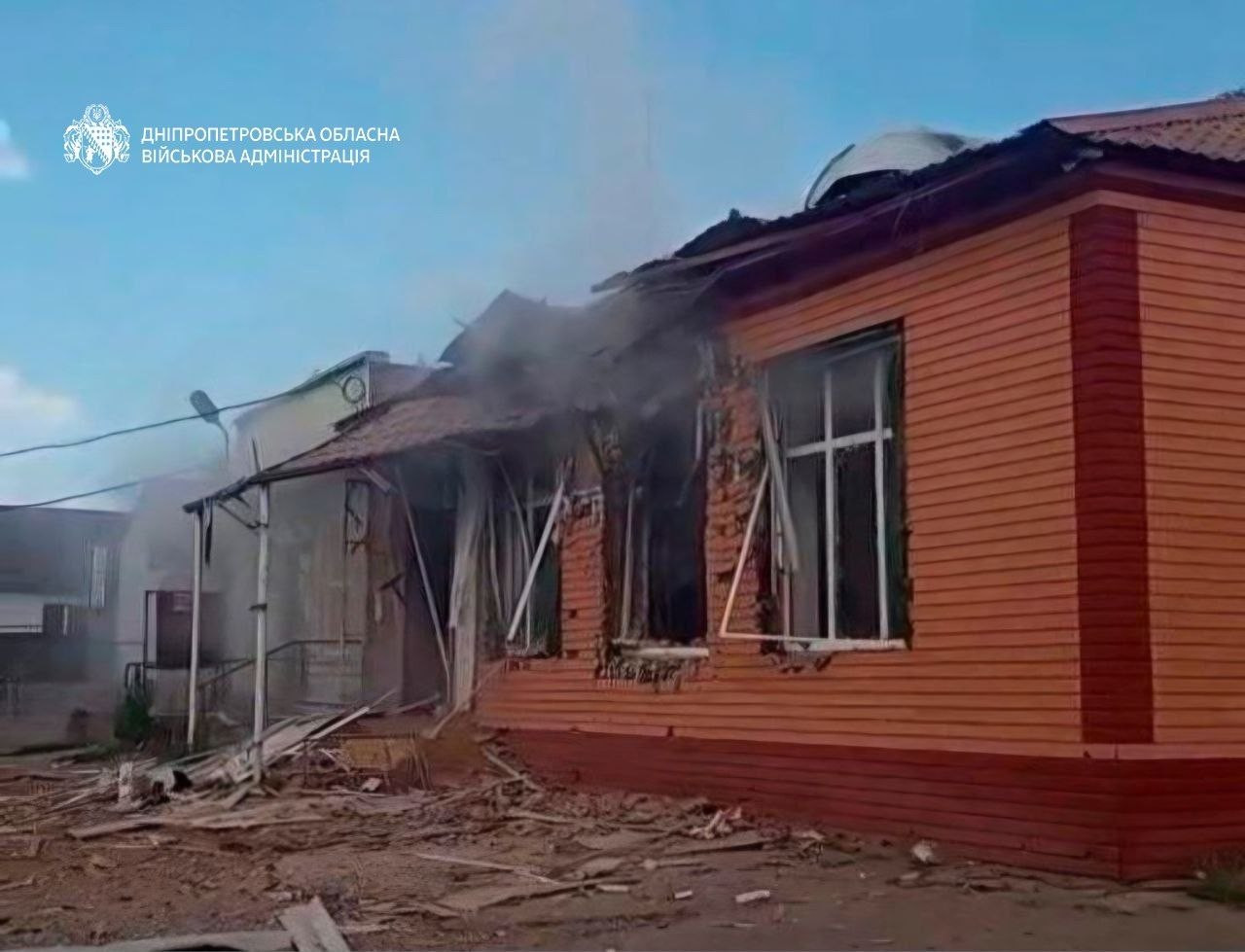
Russian FPV Strikes Civilians in Nikopol, 3 Dead Including Mother and Son
Russian forces conducted a widespread drone campaign targeting civilian infrastructure and personnel across multiple regions of Ukraine, utilizing FPV drones for direct attacks and a mix of strike and decoy drones in a larger offensive. Ukrainian air defenses intercepted a significant portion of the drones, but 16 drones and two ballistic missiles still reached their targets.
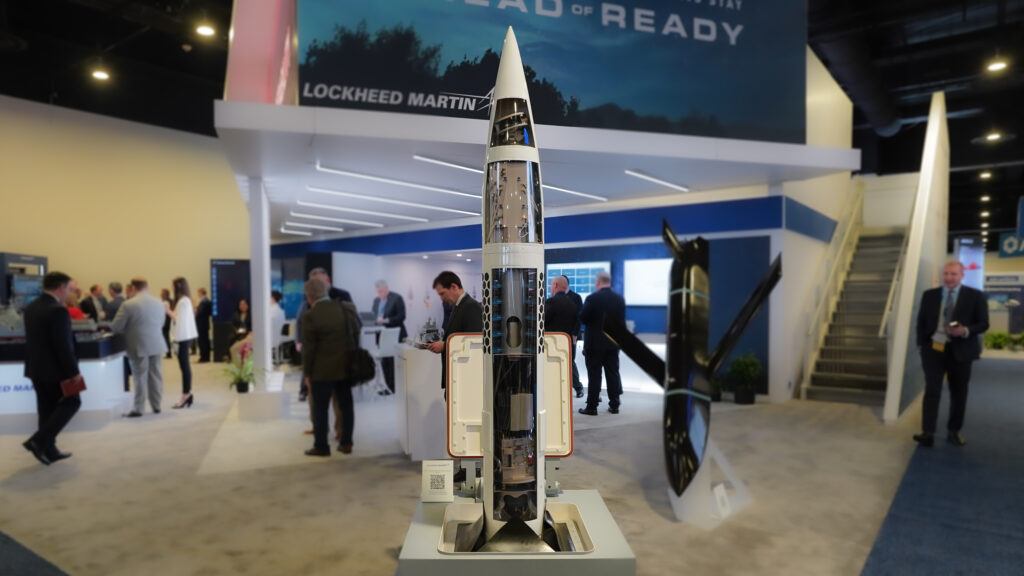
Lockheed, GM announce partnership to bolster production for munitions and more
Lockheed Martin and General Motors (GM) have partnered to increase production capacity for munitions, including components for air defense systems like THAAD. The collaboration leverages GM's manufacturing expertise and supply chain capabilities to address production bottlenecks. This aims to rapidly scale production to meet increased demand, potentially driven by global conflicts.
U.S. Air Force Reveals Advanced Counter-Drone Weapons
The U.S. Air Force's 325th Security Forces Squadron (SFS) recently demonstrated advanced kinetic counter-drone weapons. Details regarding the specific systems were not disclosed, but the demonstration highlights an increased focus on physically intercepting and neutralizing drone threats. This suggests a move beyond solely relying on electronic warfare-based counter-UAS methods.
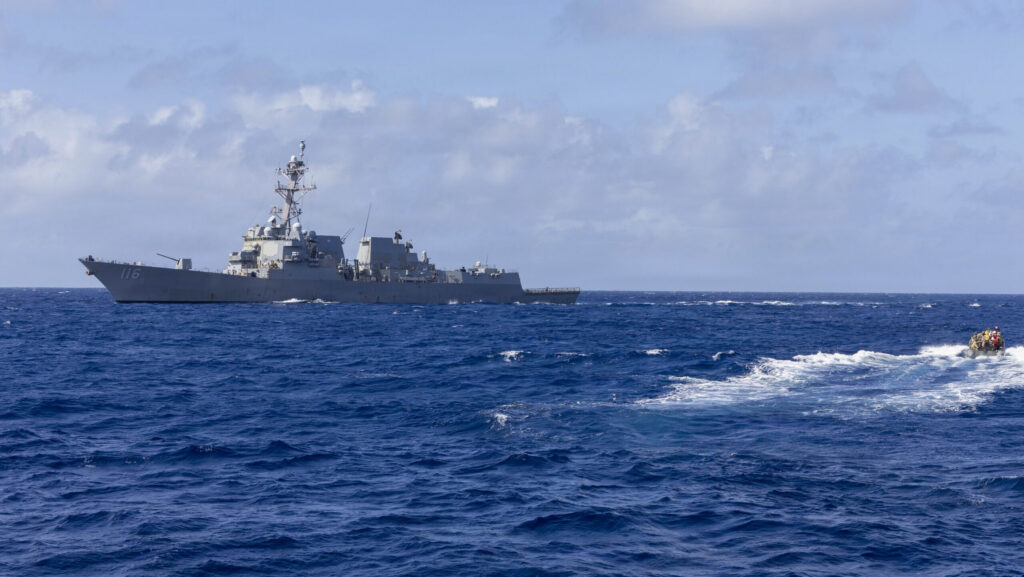
Mach Industries wins DIU contract for maritime, long-range strike drone
Mach Industries has been awarded a contract by the Defense Innovation Unit (DIU) to develop a long-range strike drone for the Navy. The system is intended to operate from ships lacking large flight decks, expanding the Navy's offensive capabilities. This indicates a push towards distributed maritime operations and leveraging unmanned systems for strike missions.

ASELSAN Presents DRONEDEF C-UAS System at Eurosatory 2026 | TURDEF
ASELSAN is showcasing its new DRONEDEF C-UAS system at Eurosatory 2026, a layered defense incorporating hard-kill, soft-kill, laser, and HPeM technologies. The system is designed for both standalone operation and integration with the larger Steeldome architecture. Key components include updated versions of existing systems like KORKUT, ŞAHİN, and İHTAR, alongside new additions like the GÖKALP interceptor UAV.
Rising Demand for Directed Energy C-UAS as Drone Threat Spreads Beyond Battlefield - Defense Security Monitor
The Pentagon is accelerating the deployment of directed energy (DE) counter-UAS systems – both high-energy lasers and high-powered microwaves – to five U.S. military bases by year-end, driven by increasing drone threats to homeland security and the perceived benefits of reduced collateral damage. While per-shot costs are low, the overall lifecycle cost of DE systems remains substantial, as evidenced by the $95.4M contract awarded to BlueHalo for the LOCUST prototype. Concerns remain regarding the cost-effectiveness of DE against smaller, more common drones.
Europe rearms: Battle management, counter-UAS, and real AI at the edge
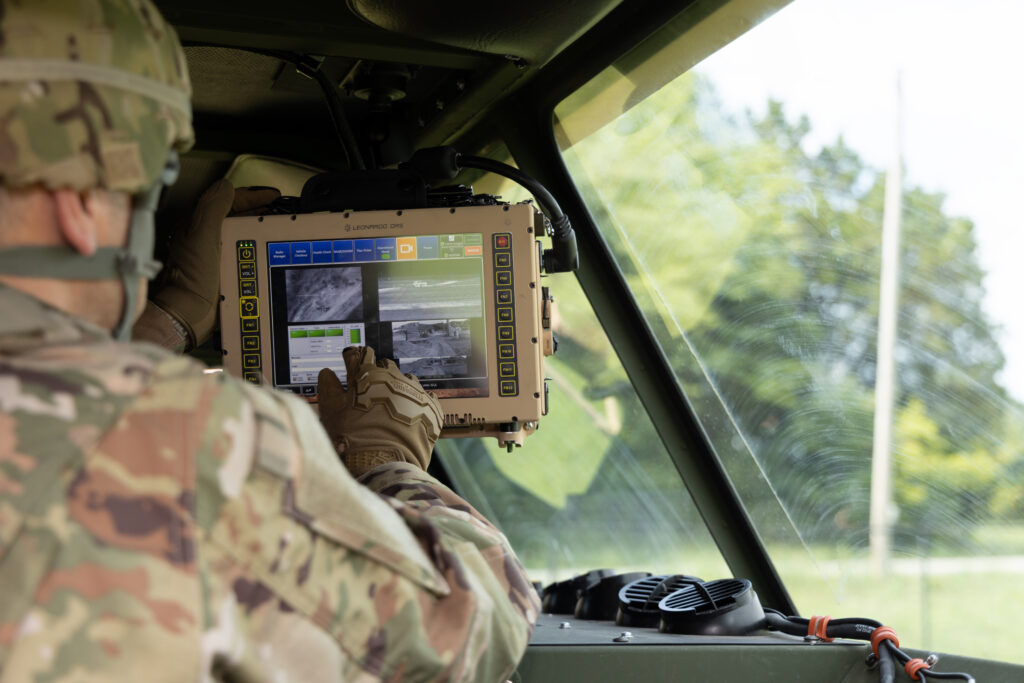
European nations are rapidly modernizing their defense capabilities, with a strong focus on battle management systems, counter-UAS technologies, and integrating artificial intelligence directly into platforms like tanks. This modernization is driven by lessons learned from the conflict in Ukraine and the increasing threat posed by drones. The article highlights a shift towards 'real AI at the edge' – processing power embedded within tactical units.
AI in Counter-Drone Systems: From Detection to Neutralization | TTMS
The article highlights the evolving role of counter-UAS as a core defense capability, driven by the proliferation of drones and advancements in AI. The focus is shifting from single-sensor solutions to integrated 'system-of-systems' architectures leveraging AI-driven sensor fusion for improved detection, tracking, and decision-making. The US Army is prioritizing machine-speed decision support while maintaining human oversight in the engagement process.
G7 Powers Push Russia to End Ukraine War
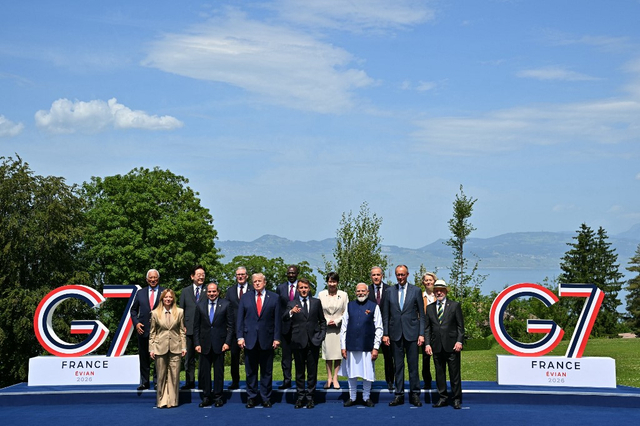
G7 leaders convened and pledged increased pressure on Russia through expanded sanctions, particularly targeting energy exports and Russia's 'shadow fleet'. Ukraine reiterated its critical need for increased air defense capabilities and winter support. Discussions also touched upon potential diplomatic avenues, including proposed meetings between Trump and Putin.
Zelensky Says Ukraine Seeking US License to Produce Anti-Ballistic Missiles
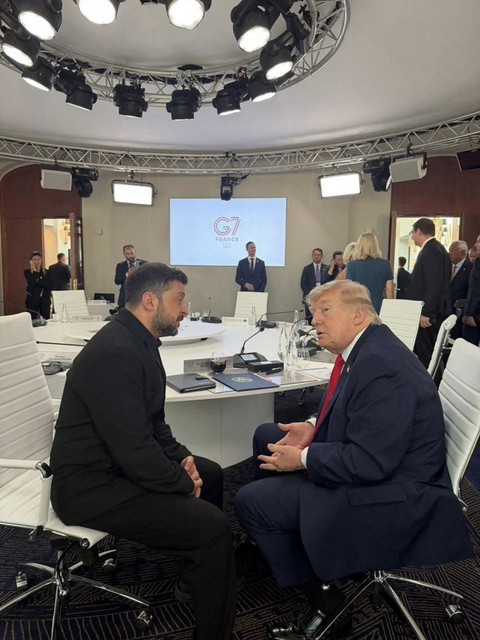
Ukraine is seeking US licenses to domestically produce anti-ballistic missile systems and interceptors to bolster its air defenses against ongoing Russian attacks. Discussions occurred with Donald Trump at the G7 summit, with a positive initial response regarding additional missile supplies for existing Patriot systems. Ukraine is also leveraging its drone warfare capabilities, potentially securing a 'drone deal' with Canada and impacting Russian fuel supplies.