All Articles
Latest articles and analysis on counter-UAS technology and drone warfare

Russia’s Overnight Drone, Missile Attack on Dnipro Injures Four
Russian forces conducted a combined drone and missile attack on Dnipro, resulting in fires and damage to residential and industrial areas, injuring four individuals. The attack highlights the ongoing use of drone warfare by Russia in its conflict with Ukraine.

Navy Rushing To Arm Carrier Strike Groups With Hellfire Missiles
The U.S. Navy is accelerating efforts to equip its Carrier Strike Groups with Hellfire missiles to enhance counter-drone capabilities against the rising threat of one-way attack drones. This move underscores the Navy's commitment to strengthening its defensive measures against evolving aerial threats.
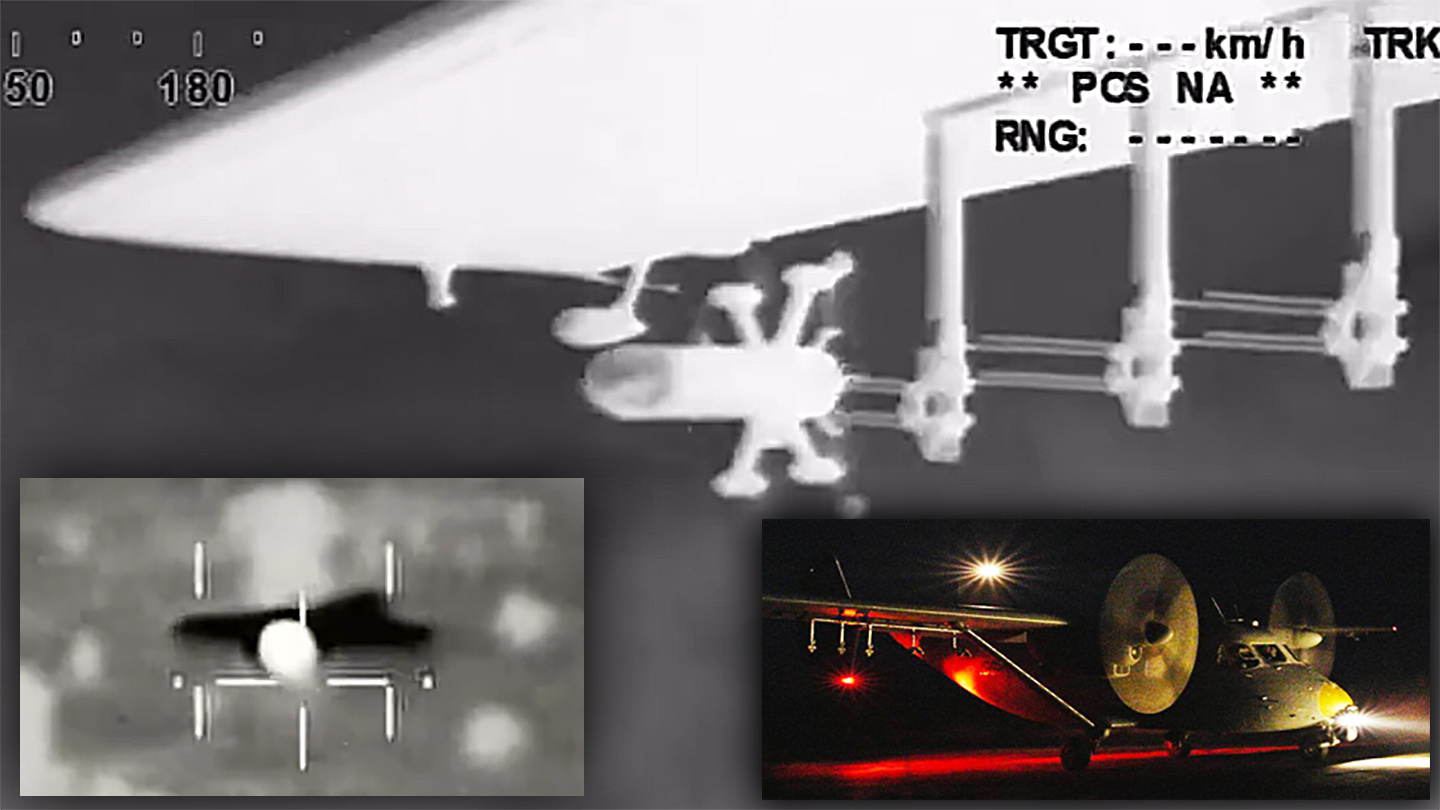
Ukraine’s Drone-Hunting An-28 Turboprop Is Now Launching Interceptor Drones
Ukraine has adapted its An-28 turboprop aircraft to launch interceptor drones, enhancing its counter-drone capabilities against Russian Shahed drones. The aircraft is equipped with Ukrainian-made interceptor drones, the SkyFall P1-Sun and Merops AS-3 Surveyor, which are cost-effective alternatives to traditional missile systems.

Why the US Marine Corps wants a new anti-tank loitering munition
The U.S. Marine Corps is seeking a new anti-tank loitering munition, OPF-M, capable of engaging armored targets from a distance of 15 miles with a loiter time of 20 minutes. The system is designed to be portable by two Marines and features autonomous target tracking and potential future capabilities for diverse target engagement.
Why the US Marine Corps wants a new anti-tank loitering munition
The U.S. Marine Corps seeks a new anti-tank loitering munition, OPF-M, with a range of 15 miles and a weight under 35 pounds. The system aims to engage armored targets with minimal collateral damage and features autonomous target tracking and potential future capabilities for diverse military applications.
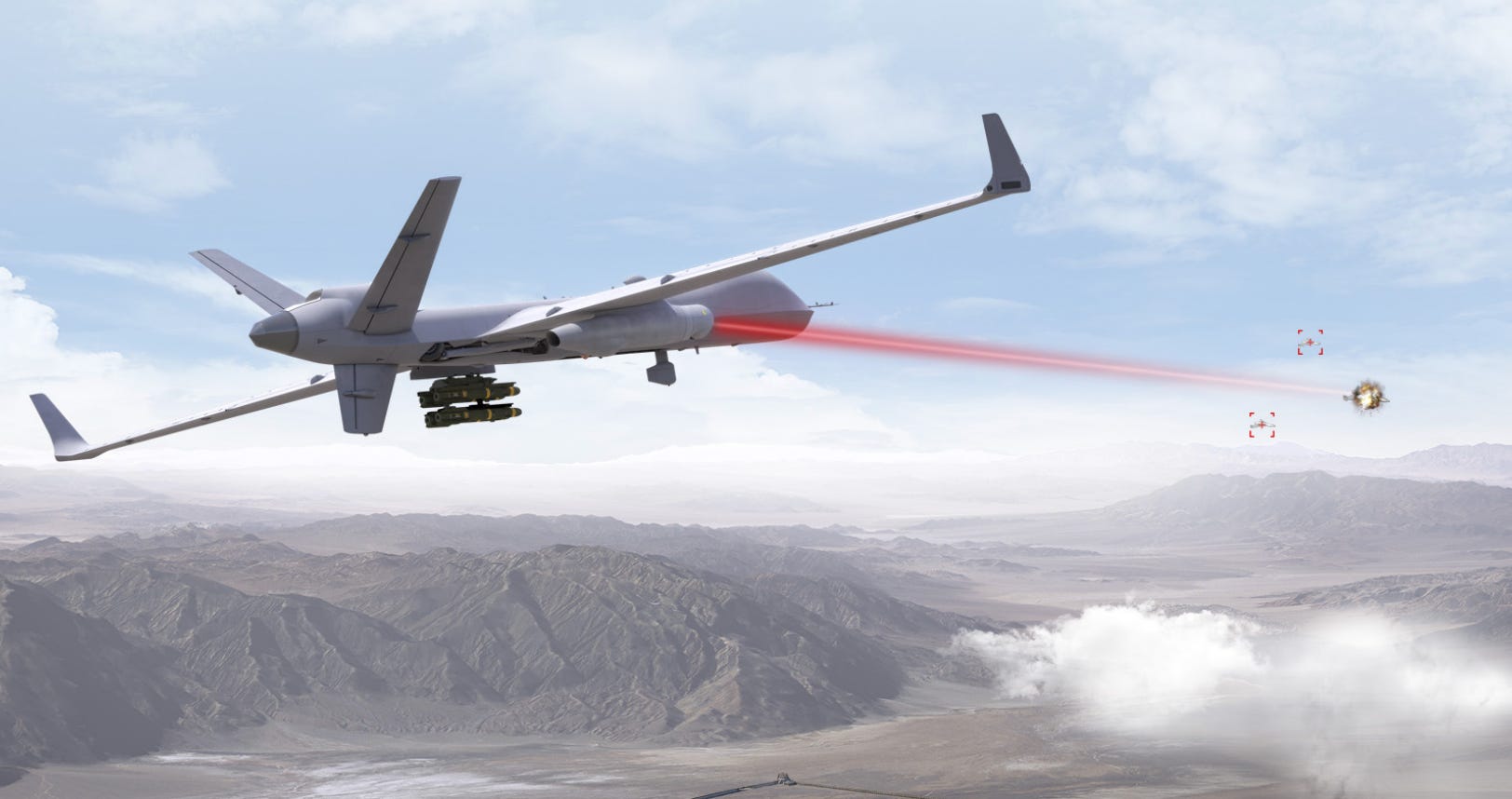
The US military wants a fleet of missile-killing laser drones
The U.S. military is advancing efforts to integrate directed energy weapons into unmanned aerial systems for missile and drone defense. The Missile Defense Agency is prioritizing the development of high-energy lasers on drones, despite historical challenges with airborne laser systems.
The US military wants a fleet of missile-killing laser drones
The U.S. military is pursuing the integration of directed energy weapons into unmanned aerial systems to enhance missile defense capabilities. This initiative aims to develop laser-armed drones capable of neutralizing aerial threats, despite historical challenges with airborne laser systems.
The US military wants a fleet of missile-killing laser drones
The U.S. military is actively pursuing the integration of directed energy weapons, specifically laser systems, into unmanned aerial platforms for missile and drone defense. This initiative aims to enhance domestic air defense capabilities by providing a non-kinetic layer to existing missile defense systems.
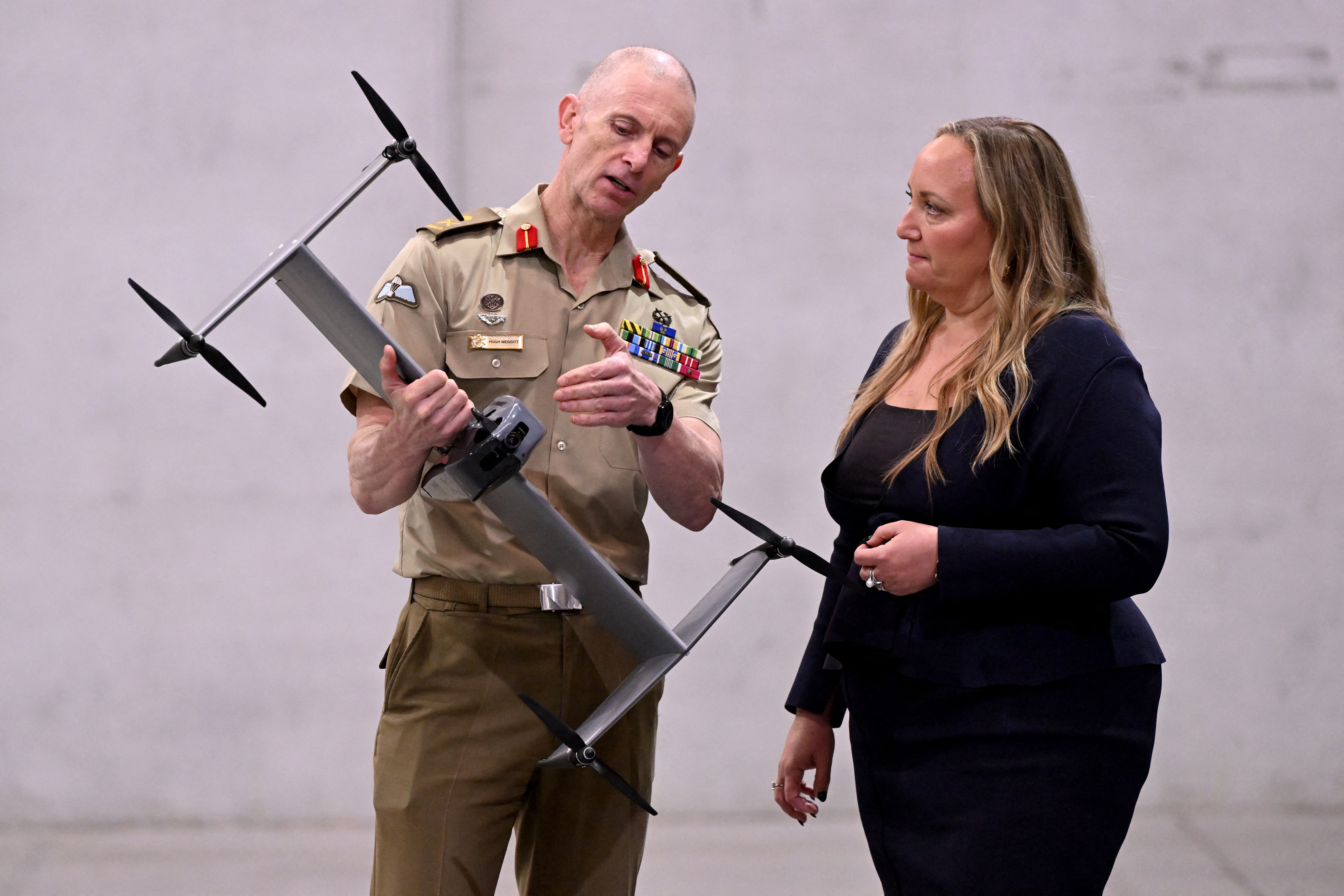
Australia awards contracts for counter-drone tech based on lasers, interceptors
Australia has awarded contracts to AIM Defence and Sypaq Systems for the development of laser and interceptor drone technologies as part of its Land 156 counter-UAS program. This initiative is part of a broader A$7 billion investment to enhance the country's drone defense capabilities.
Australia awards contracts for counter-drone tech based on lasers, interceptors
Australia has awarded contracts to AIM Defence and Sypaq Systems for developing laser and interceptor drone technologies as part of its Land 156 counter-UAS program, with a significant budget increase to A$7 billion for drone defenses. These systems will integrate into a broader command-and-control framework to counter medium-sized drones and swarms.