All Articles
Latest articles and analysis on counter-UAS technology and drone warfare

SkyfireAI Raises $11M to Coordinate Autonomous Drone Fleets | FlightBrief
SkyfireAI secured $11M in seed funding to develop AI-powered software for autonomous drone fleet coordination, addressing the manpower bottleneck in drone operations. The platform is hardware-agnostic, designed for rapid deployment and scalability in public safety and defense applications. Andrew Ng’s AI Fund participation signals strong investor confidence in the company's approach to physical-world AI automation.
Lessons in Military Transformation: From the RMA to the Drone Wars - Second Line of Defense
A new book, "Lessons in Military Transformation: From the RMA to the Drone Wars," analyzes military modernization not as revolutionary shifts, but as iterative processes shaped by operational realities, adversary adaptation, and systemic constraints. It emphasizes the importance of understanding how technologies like drones and hypersonics are evolving within existing frameworks of sensor-shooter networks and precision targeting. The study highlights a shift in viewing platforms, like the F-35, as information nodes within distributed kill webs rather than standalone assets.
Ukraine’s rapid rise as an anti-drone powerhouse
Ukraine has rapidly become a leading innovator and exporter of counter-drone technology, despite representing a relatively small portion of global spending in the sector. This transformation is driven by battlefield necessity, a focus on low-cost electronic warfare systems, and a high volume of successful drone interceptions. Wartime export controls currently limit the full commercial potential of Ukrainian counter-drone capabilities.
Scout AI’s $100M Series A Funding Drives Model for AI Unmanned Warfare - American Entrepreneurship Today®
Scout AI, a new defense-tech startup, secured $100M in Series A funding to develop 'Fury,' an AI-powered reasoning layer for coordinating autonomous unmanned systems across all domains (air, land, sea, space). This system aims to translate commander intent into coordinated action for large, mixed fleets of drones and robotic systems, enabling 'one-to-many' autonomy.
Ukraine’s Drone War Has Already Rewritten NATO’s Future
The Kyiv Security Forum highlighted Ukraine's rapid innovation in drone warfare, AI integration, and streamlined procurement as key factors in its defense. Ukrainian defense industry representatives and military leaders warn that NATO is lagging in its ability to adapt and deploy technology at the necessary speed. The critical advantage in modern warfare is now the speed of development, testing, and redeployment of technology, a capability Ukraine currently excels in.
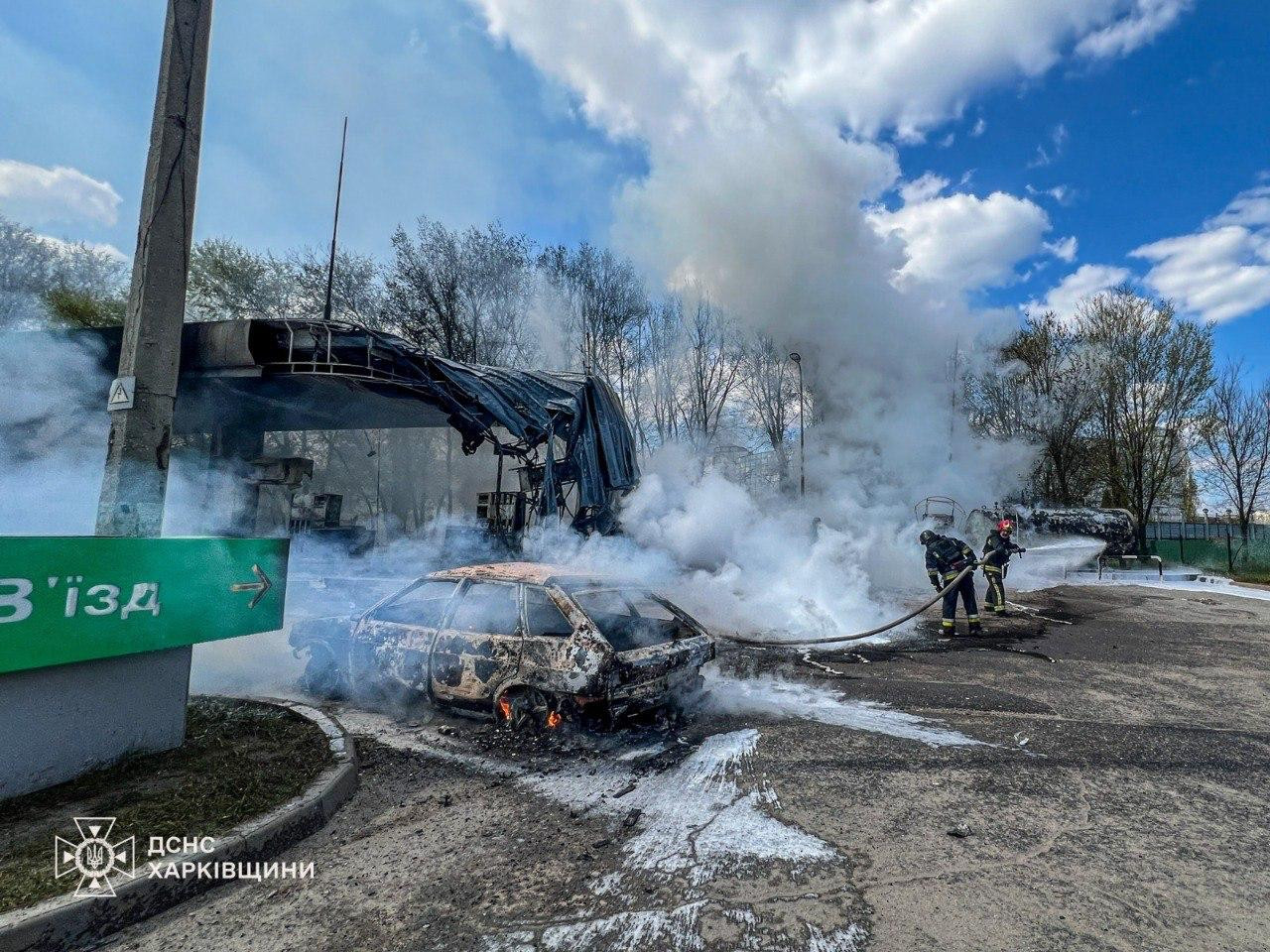
Six Wounded as Russian Drones Massively Target Kharkiv Gas Stations
Russian forces conducted a large-scale drone attack targeting civilian infrastructure, particularly gas stations, in Kharkiv and Kherson, resulting in multiple casualties and fires. Despite Ukrainian air defenses intercepting a significant portion of the drones, numerous UAVs reached their targets. This attack represents a continuation of Russia's strategy to degrade Ukrainian infrastructure and morale.
Anduril Fury drones: How AI-powered weapons hunt targets autonomously
Anduril Industries' Fury drone (YFQ-44A) represents a significant leap in autonomous air warfare capabilities, utilizing AI-powered 'Lattice' software for target detection, classification, and potentially autonomous engagement. The system integrates multiple sensor types and incorporates facial recognition technology for identifying high-value targets. Development time was remarkably short, demonstrating a new paradigm for military acquisition.
JITF-401 Counter-UAS Testing Enhances Layered Air Defense Against Drone Threats | TheDefenseWatch.com
JITF-401 recently conducted C-UAS testing to enhance layered air defense capabilities against evolving drone threats, including swarms. The testing focused on integrating both kinetic and non-kinetic systems, highlighting a shift in U.S. air defense doctrine to address low-cost, high-volume UAS. This initiative emphasizes interagency coordination to counter drone threats across multiple domains.

Russia Strikes Second Kherson Minibus and Kharkiv Gas Stations
Russian forces continued a campaign of drone strikes targeting civilian infrastructure in Kherson and Kharkiv, injuring multiple civilians and damaging property. Despite a high Ukrainian interception rate of 142 out of 163 drones launched overnight, 17 drones reached their targets. The attacks demonstrate a shift towards precision strikes on civilian targets, likely intended to degrade morale and disrupt logistical support.
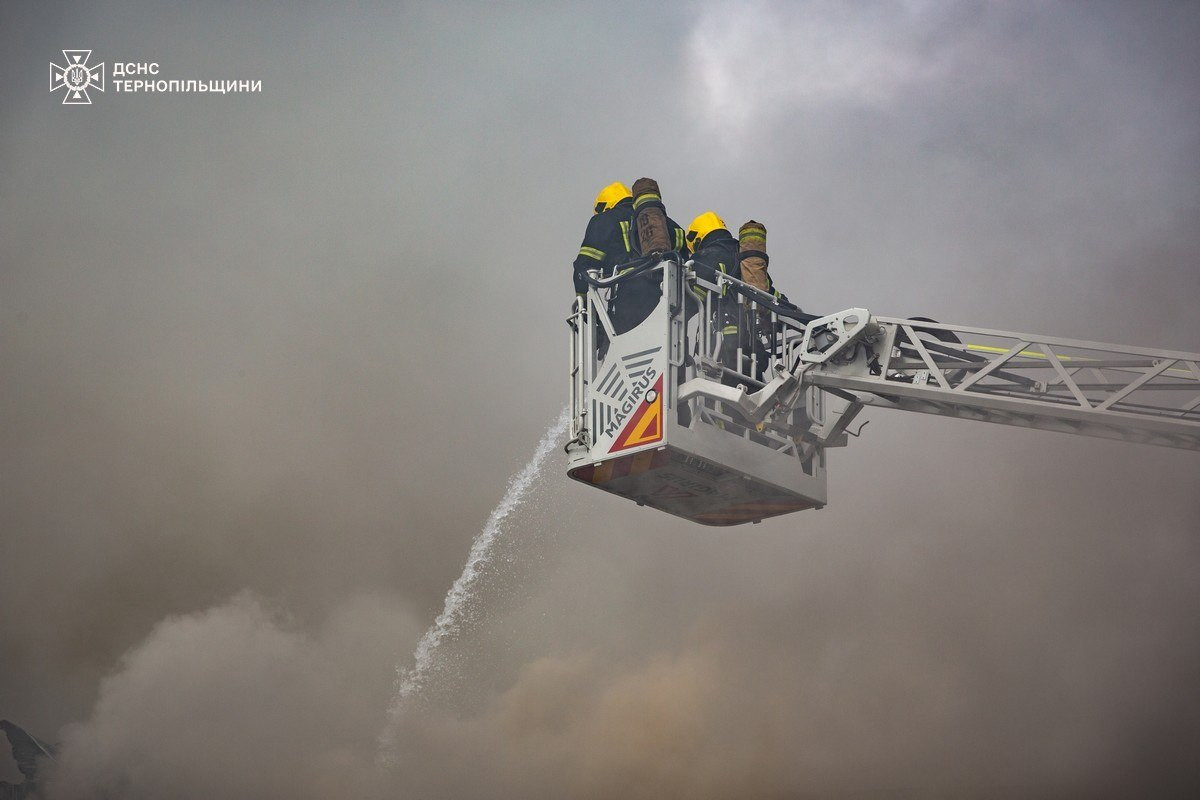
Zelensky: Russia Launched 1,600 Drones and 1,100 Guided Bombs This Week
Russia is escalating drone and guided bomb attacks against Ukraine, launching approximately 1,600 drones and 1,100 guided bombs in the past week, aiming to overwhelm Ukrainian air defenses. These attacks are increasingly targeting civilian infrastructure and personnel, as evidenced by the Kherson minibus strike. Ukraine intercepted a significant portion of the drones, but some still reached their targets.