All Articles
Latest articles and analysis on counter-UAS technology and drone warfare
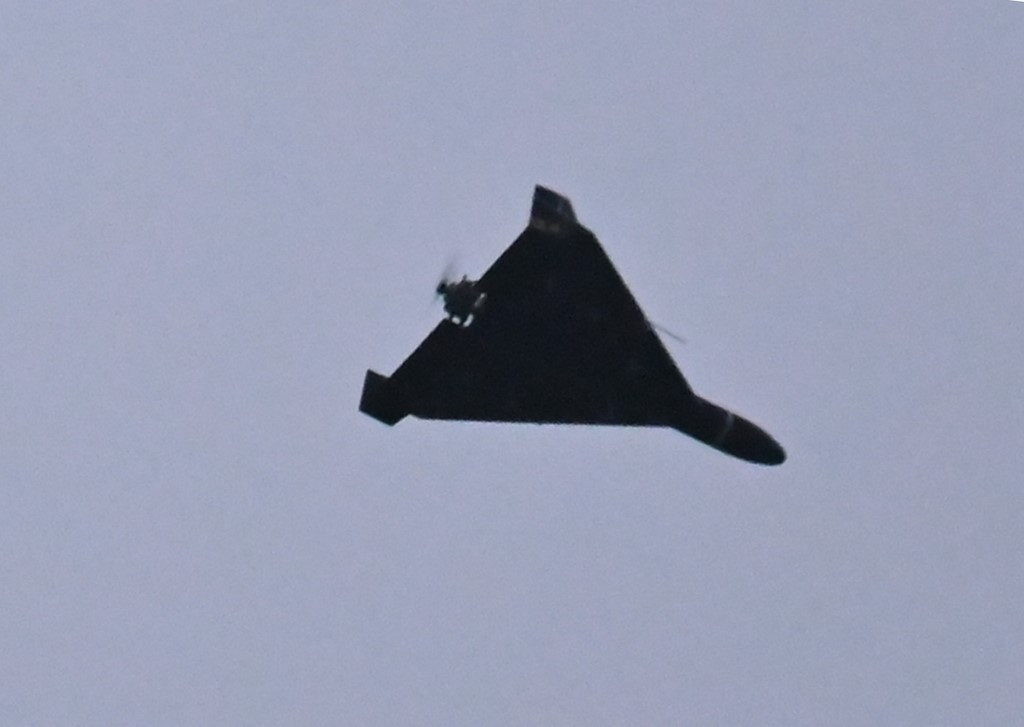
Russia Launches One of Largest Air Assaults Using New Shahed Drone Tactics, Kills Civilians
Russia conducted a large-scale air assault on Ukraine utilizing approximately 800 drones, employing a novel Shahed drone tactic designed to saturate Ukrainian air defenses. Ukrainian intelligence anticipates follow-on attacks with cruise and ballistic missiles targeting critical infrastructure. The attack resulted in civilian casualties and damage to energy infrastructure across multiple regions.

Anduril Announces $5B Series H Raise
Anduril Industries has secured a $5 billion Series H funding round, valuing the defense tech company at approximately $4.6 billion. The funding will be used to accelerate product development and scale manufacturing capabilities. This represents significant investor confidence in Anduril's growth trajectory within the defense sector.

Russian Attacks Kill 8 in Dnipropetrovsk Region Overnight
Russian forces conducted a large-scale drone attack on Ukraine’s Dnipropetrovsk region overnight, resulting in 8 fatalities and 11 injuries. Ukrainian air defenses intercepted 111 of 139 drones, including Shaheds and decoys, demonstrating continued Russian reliance on UAV swarms. The attack targeted civilian infrastructure, industrial facilities, and residential areas.

The Next Evolution of Air & Missile Defence
The US is shifting its air and missile defense strategy towards 'Golden Dome,' an AI-enabled network designed for faster sensing, decision-making, and action. This represents a move from simply connecting defense systems to creating an intelligent, coordinated network capable of autonomous operation. The focus is on building an adaptive defense architecture for continuous evolution.
Next-generation aircraft survivability system moves to second phase under Army Northrop Grumman contract | Military Aerospace
Northrop Grumman has been awarded a contract to continue development of its Improved Threat Detection System (ITDS) for US Army aviation platforms. The ITDS utilizes the ATHENA multispectral sensor to detect a broad range of threats, including drones, missiles, and small arms. Successful Phase 1 flight testing led to this Phase 2 award, indicating promising progress in enhancing aircraft survivability.
FAA Proposes to Allow Restriction of Unmanned Aircraft Operations Over Certain Fixed Site Facilities – Office of Advocacy
The FAA proposed a rule allowing owners/operators of high-risk fixed-site facilities to request flight restrictions for drones over their properties. This move is driven by Congressional direction and Executive Order 14305, focusing on protecting critical infrastructure. The rule outlines a process for requesting restrictions and allows for permitted drone operations with specific safety and security protocols.
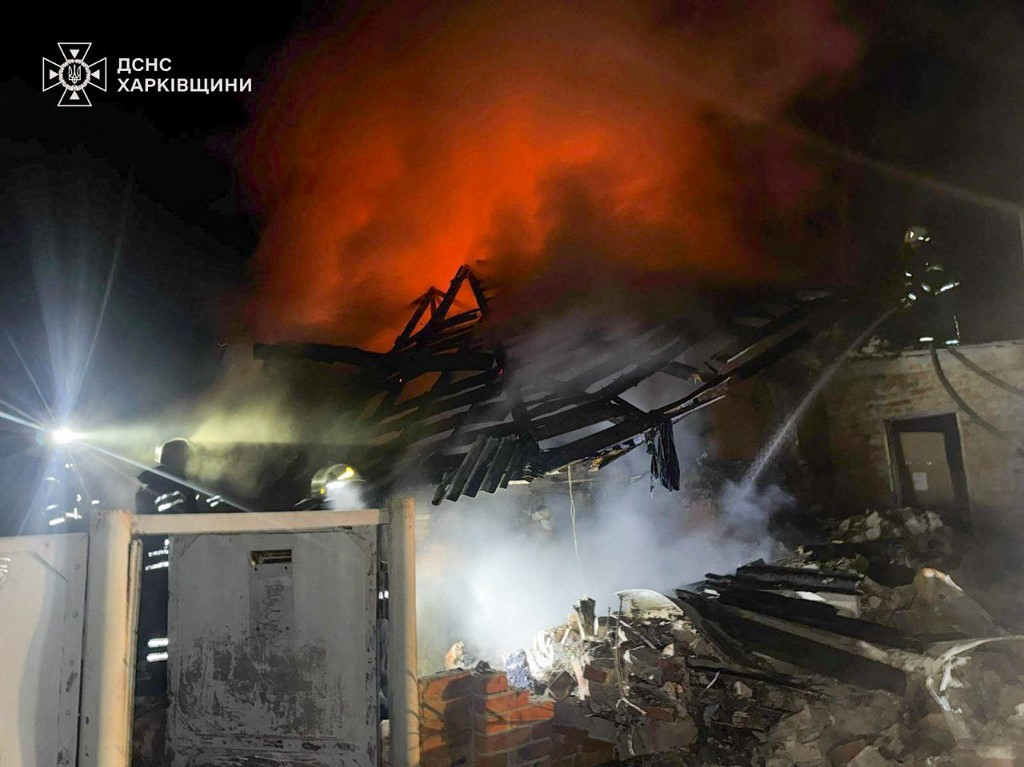
Russian Drones Strike Two Kharkiv Districts Overnight
Russian forces conducted drone strikes targeting Kharkiv's Shevchenkivskyi and Kholodnohirskyi districts overnight, causing damage to infrastructure and a road. Nine civilians, including three children, were injured in a separate drone attack on Friday. No immediate casualty reports were available for the latest strikes.
Japan’s Shift from the Yoshida Doctrine to the Takaichi Doctrine: The Start of the Japanese Active Deterrence — Bloomsbury Intelligence and Security Institute (BISI)
Japan has significantly altered its post-WWII defense policy by abolishing restrictions on arms exports, moving away from the Yoshida Doctrine and embracing a more active deterrence posture under the Takaichi Doctrine. This shift includes the export of lethal weapons, including combat drones, to countries with existing defense technology transfer agreements. Japan is substantially increasing its defense spending, becoming the world's tenth-largest defense spender.
The Wraith Shield Advantage: Transforming L3Harris Radios into AI-Enabled Counter-UAS Sensors | L3Harris® Fast. Forward.
L3Harris has developed Wraith Shield, a software upgrade for Falcon IV radios that utilizes AI to detect and neutralize small drones by disrupting their signals. This system transforms existing radios into a distributed C-UAS network, leveraging the existing Wraith waveform for enhanced resilience against electronic warfare. The upgrade is intended to provide a cost-effective, layered defense against the increasing threat of both sophisticated and low-cost drones.
Shield AI expands Hivemind maritime autonomy in Taiwan with Thunder Tiger partnership | Press Releases | tullahomanews.com
Shield AI and Thunder Tiger Corp. have partnered to integrate Shield AI's Hivemind autonomy software into Thunder Tiger's unmanned surface vessels (USVs) for the Taiwanese market. A live demonstration is planned for this summer, showcasing autonomous capabilities in a maritime environment. The initiative aims to provide Taiwan's Ministry of National Defense (MND) with asymmetric defense capabilities.