Ukrainian Drones Destroy 8 Russian Radar and Air Defense Sites
AI Analysis
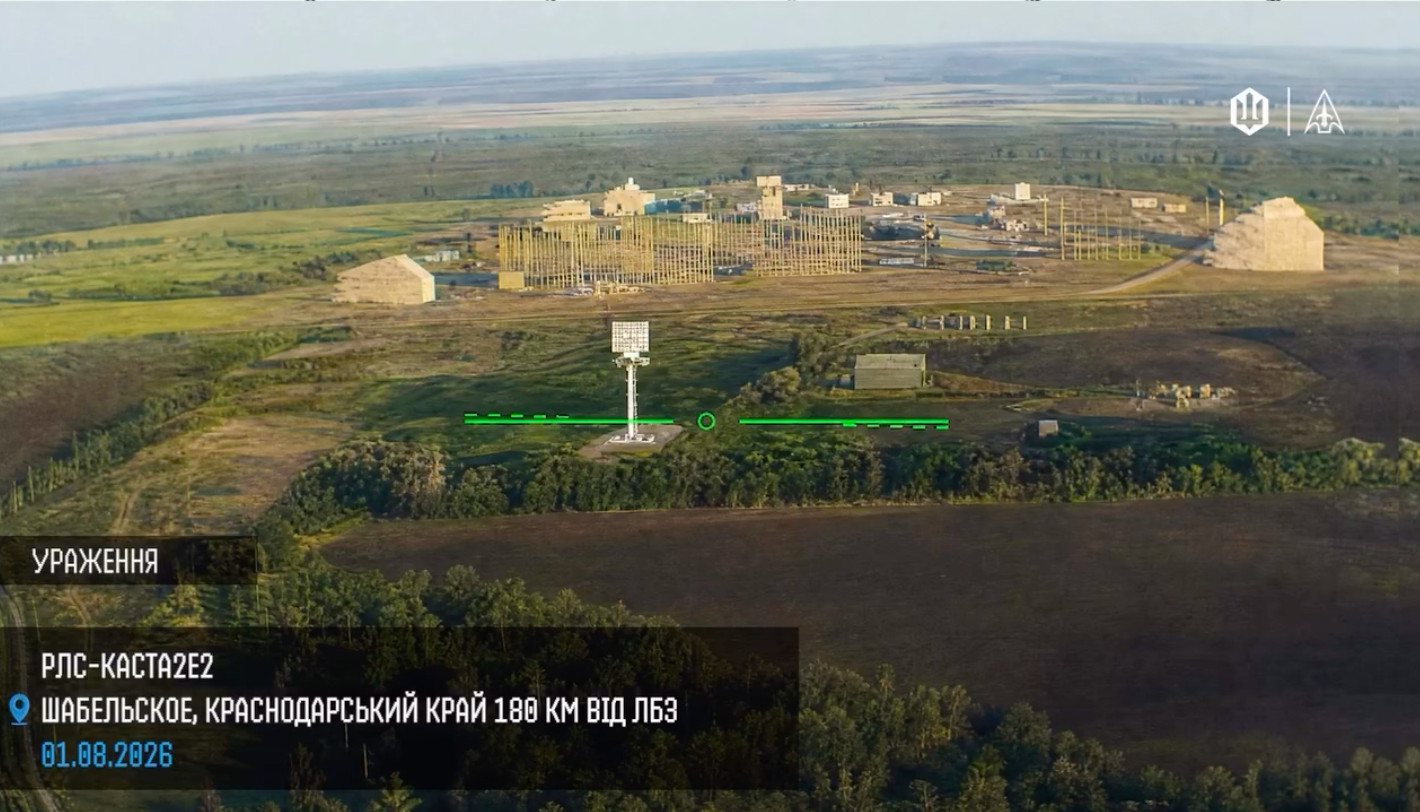
Ukrainian drone operators from the 1st Separate Center of the Unmanned Systems Forces struck over 270 km deep into Russia's Krasnodar Krai, destroying a TOR-M2 air defense system and seven radar stations including Nebo and Kasta systems. This coordinated operation degraded Russian aerial surveillance and air defense capabilities in a single effort.
Key Takeaways
- Ukrainian drones destroyed 8 Russian assets: 1 TOR-M2 SAM and 7 radar stations (Nebo-S, Nebo-U, Gamma-S1M, Nebo-SV, Kasta-2E2, 37T).
- Strikes occurred in multiple locations across Krasnodar Krai, up to 270 km from the frontline.
- Operation conducted by the 1st Separate Center of the Unmanned Systems Forces (USF) of Ukraine.
- Previous HUR strikes hit a Pantsir-S1, a Project 1100M Sargan boat, and a Forpost UAV ground control station.
- Earlier HUR drone attacks destroyed a Russian MiG-29 and damaged airfield equipment at Belbek airbase in Crimea.
Why It Matters
This deep-strike operation demonstrates Ukraine's growing ability to neutralize Russian air defense and surveillance infrastructure far behind the front lines, potentially creating corridors for further strikes. The systematic targeting of radar and SAM systems degrades Russia's integrated air defense network, reducing its ability to detect and intercept Ukrainian drones and missiles.
Ukrainian drone operators have targeted and destroyed a Russian TOR-M2 air defense system and seven radar stations in a coordinated deep strike across the Krasnodar region of Russia.
The 1st Separate Center of the Unmanned Systems Forces (USF) of the Armed Forces of Ukraine reported on Aug. 2 that its units executed the pinpoint strikes at a depth of more than 270 kilometers beyond the frontline.
Follow our coverage of the war on the @Kyivpost_official.
According to the statement and accompanying video footage released by the USF on Facebook, the operation neutralized key elements of the Russian military’s aerial surveillance and anti-aircraft network in a single coordinated effort.
The targeted assets across the Krasnodar Krai included:
A “TOR-M2” surface-to-air missile system in Yeysk
A “Nebo-S” radar station in Yeysk
A “Nebo-U” radar station in Primorsko-Akhtarsk
A “Gamma-S1M” radar station in Yeysk
A “Nebo-SV” radar station in Yeysk
A “Kasta-2E2” radar station in Kamyshevatskaya
A “37T” radar station in Pryhybskyy
A “Kasta-2E2” radar station in Shabelskoy.
Operators from the Unmanned Systems Department of Ukraine’s Main Intelligence Directorate (HUR) previously struck a Russian Pantsir-S1 air defense system, a Project 1100M Sargan boat, and a ground control station for Forpost unmanned aerial vehicles (UAVs) in southern Ukraine and Crimea on July 30.
The HUR reported that the Pantsir-S1, valued at approximately $15 million, was targeted in the Kherson region, while the Sargan boat, valued at $6 million, and the drone control station were hit in Kerch and Yevpatoria, respectively.
Earlier in the campaign, HUR drone operators destroyed a Russian MiG-29 fighter jet and airfield launching equipment at the Belbek military airfield in occupied Crimea on June 26, inflicting tens of millions of dollars in financial losses on the Russian military.
In early July, the Security Service of Ukraine (SBU) also conducted coordinated drone strikes on the Saky and Gvardiyske air bases in Crimea. The SBU reported hitting seven hangars storing aviation equipment at the Saky facility, including Su-30SM, Su-30, and Su-24 aircraft, as well as two hangars at Gvardiyske used for storing Shahed attack drones.
Kyiv Post is Ukraine’s first and oldest English news organization, reporting since 1995. Its international reach – 97% of readers are outside of Ukraine – make it truly Ukraine’s global voice.