Ukrainian Drones Sink Russian Ship Yanina, Hit 3 Ufa Refineries
AI Analysis
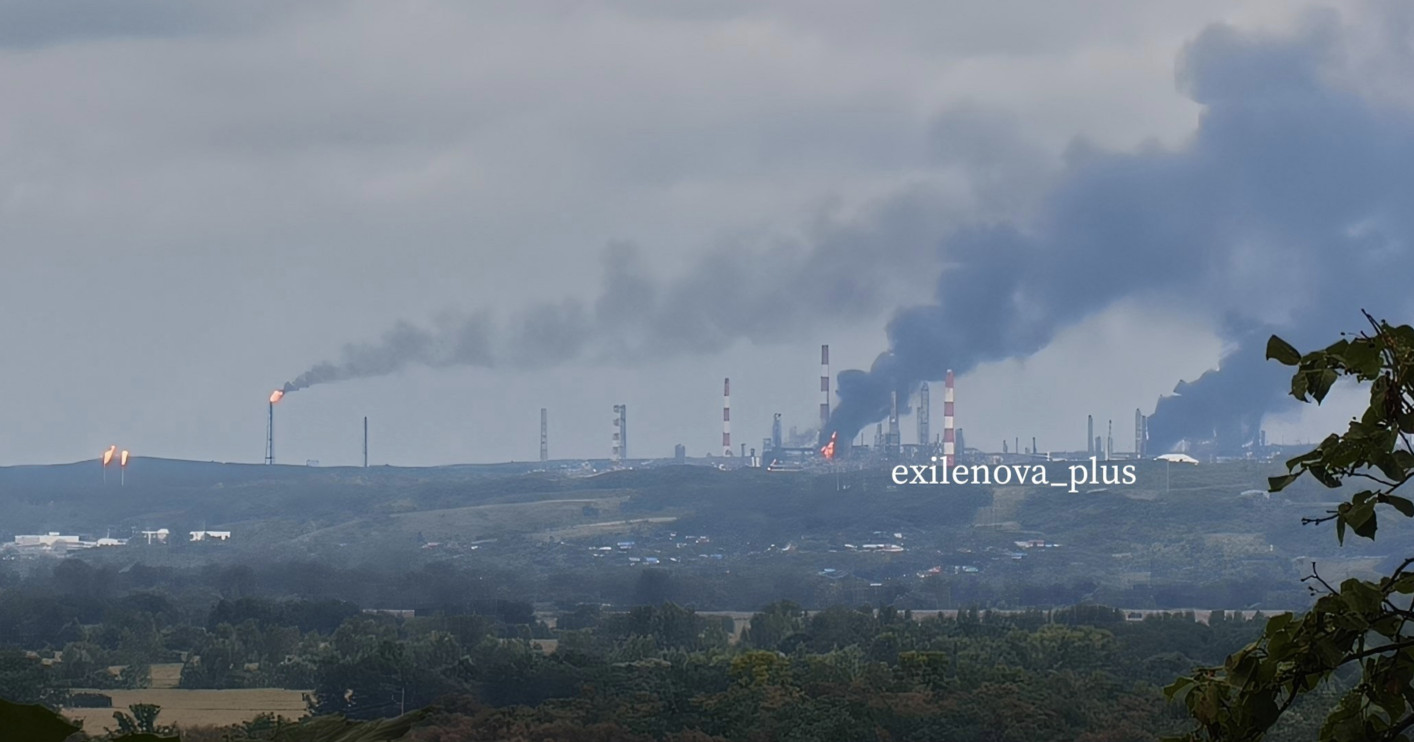
Ukrainian forces executed a large-scale coordinated drone operation, using naval drones to sink the Russian ship Yanina and long-range SBU drones to strike three major oil refineries in Ufa, over 1,600 km from the border. The attack also targeted Russian radar and electronic warfare systems in Krasnodar and occupied Crimea, demonstrating Ukraine's growing deep-strike and multi-domain drone capability.
Key Takeaways
- Naval drones sank the Rosatom-affiliated container ship Yanina, a sanctioned vessel, approximately 130 miles from Novorossiysk.
- Long-range SBU drones struck three Bashneft oil refineries in Ufa, Bashkortostan, with a combined annual capacity of over 23 million tons.
- Additional strikes hit three Podlet-K1 and one Kasta-2E2 radar stations in the Krasnodar region.
- Electronic warfare and air defense positions in occupied Crimea were also targeted.
- The operation highlights Ukraine's ability to coordinate simultaneous naval and deep-strike drone attacks against strategic Russian assets.
Why It Matters
This coordinated multi-domain drone attack demonstrates Ukraine's increasing capability to strike deep into Russian territory and disrupt critical infrastructure, including energy and air defense systems. It also underscores the vulnerability of Russian naval assets and radar networks to asymmetric drone warfare, potentially forcing Russia to reallocate resources for defense.
Ukrainian drones conducted a massive coordinated operation early Saturday, August 1. Naval drones sank the Rosatom-affiliated container ship Yanina, a sanctioned vessel with a capacity of over 100,000 tons, approximately 130 miles from Novorossiysk. Concurrently, long-range SBU drones struck three major Bashneft oil refineries in Ufa, Bashkortostan, located 1,600 kilometers from the border, with a combined capacity of over 23 million tons annually. Additional strikes targeted three Podlet-K1 and one Kasta-2E2 radar stations in the Krasnodar region, as well as electronic warfare and air defense positions in occupied Crimea.