The US Military Signed Two Seven-Year Agreements to Triple Missile Production. Neither One Is a Binding Contract.
AI Analysis
The Pentagon announced two seven-year framework agreements with L3Harris to nearly triple Patriot PAC-3 propulsion and quadruple THAAD component production, but these are non-binding and serve only as long-term demand signals rather than firm contracts. The distinction highlights ongoing supply chain challenges exacerbated by operations in the Middle East and air defense support for Ukraine.
Key Takeaways
- Two seven-year agreements announced on July 27 target tripling Patriot PAC-3 propulsion and quadrupling THAAD component output.
- L3Harris will produce the two-pulse solid rocket motor, attitude control motors, and Lethality Enhancer at Camden, Arkansas.
- Neither agreement is a binding contract; they are framework arrangements to signal long-term demand to suppliers.
- The non-binding nature raises uncertainty about whether the supply chain, strained by Middle East and Ukraine operations, will actually be replenished.
- The agreements aim to incentivize supplier investment without guaranteed purchase orders.
Why It Matters
While these agreements signal the Pentagon's intent to boost missile production for critical air defense systems, their non-binding nature means actual output increases are not assured. This could impact the availability of Patriot and THAAD interceptors, which are also used against advanced drones and cruise missiles, making it a relevant but indirect factor in counter-UAS readiness.
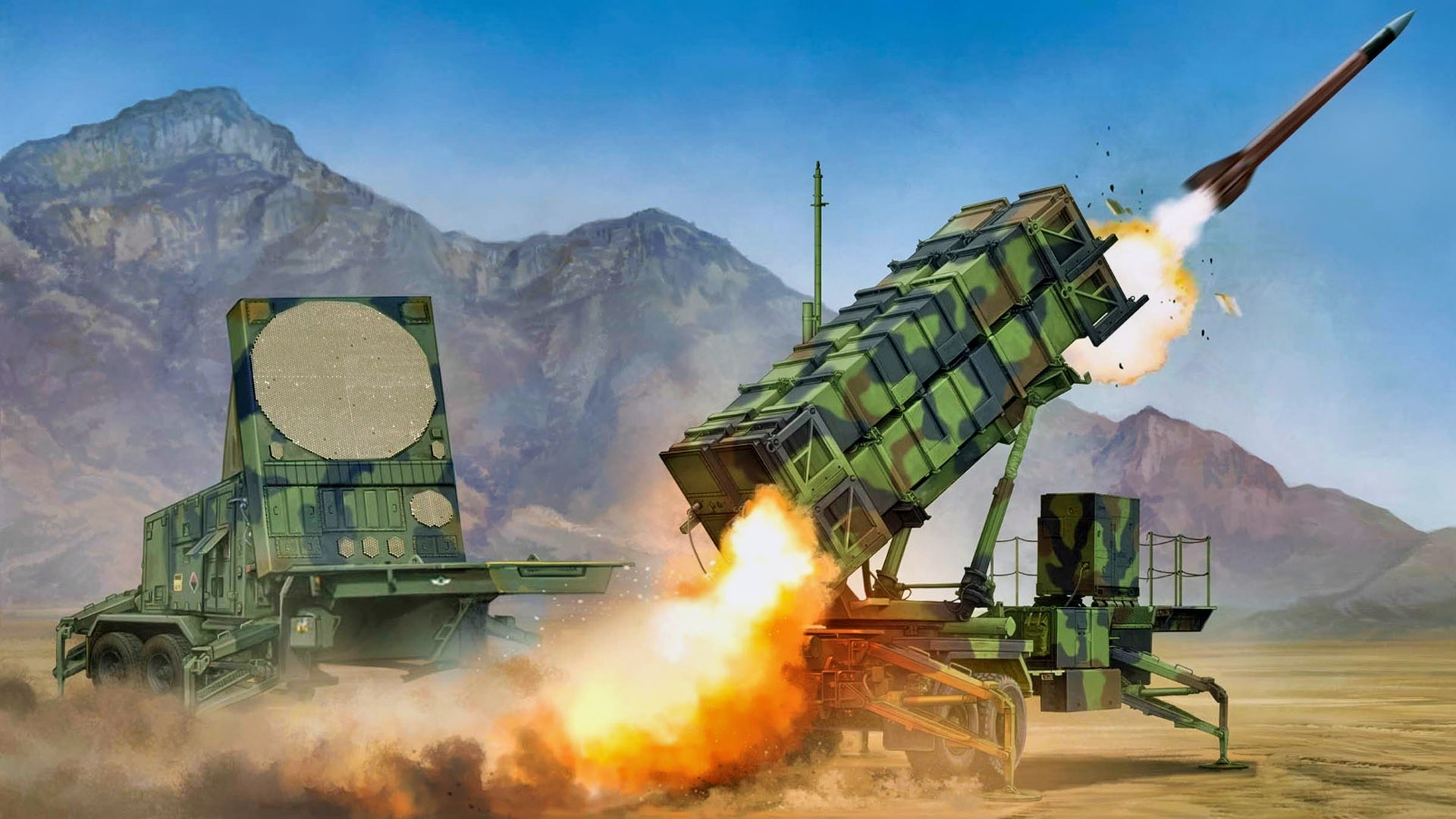
<img width="1920" height="1080" src="https://www.19fortyfive.com/wp-content/uploads/2025/03/Patriot-Missile-1.jpg" class="webfeedsFeaturedVisual wp-post-image" alt="Patriot Missile" style="display: block; margin: auto; margin-bottom: 5px;max-width: 100%;" link_thumbnail="" decoding="async" loading="lazy" srcset="https://www.19fortyfive.com/wp-content/uploads/2025/03/Patriot-Missile-1.jpg 1920w, https://www.19fortyfive.com/wp-content/uploads/2025/03/Patriot-Missile-1-300x169.jpg 300w, https://www.19fortyfive.com/wp-content/uploads/2025/03/Patriot-Missile-1-1200x675.jpg 1200w, https://www.19fortyfive.com/wp-content/uploads/2025/03/Patriot-Missile-1-768x432.jpg 768w, https://www.19fortyfive.com/wp-content/uploads/2025/03/Patriot-Missile-1-1536x864.jpg 1536w, https://www.19fortyfive.com/wp-content/uploads/2025/03/Patriot-Missile-1-1024x576.jpg 1024w, https://www.19fortyfive.com/wp-content/uploads/2025/03/Patriot-Missile-1-600x337.jpg 600w, https://www.19fortyfive.com/wp-content/uploads/2025/03/Patriot-Missile-1-150x84.jpg 150w" sizes="auto, (max-width: 1920px) 100vw, 1920px" />The Pentagon announced two seven-year agreements on July 27 meant to nearly triple production of Patriot PAC-3 propulsion and quadruple output of THAAD components, with L3Harris building the two-pulse solid rocket motor, attitude control motors and the Lethality Enhancer at Camden, Arkansas. The detail that matters sits underneath the numbers: neither agreement is a binding contract. They are framework arrangements designed to send suppliers a long-term demand signal, which is a different thing from ordering interceptors. The distinction determines whether a supply chain drawn down by Middle East operations and Ukrainian air defense actually refills.