Belarus Relay Shutdown Limits Russia’s Real-Time Control of Shahed Drones, Ukraine Says
AI Analysis
Ukraine reports that Russia’s real-time control of Shahed drones near the Belarusian border has been significantly degraded following the shutdown of relay stations in Belarus. These stations provided live video feeds and allowed for mid-flight target adjustments, enhancing the drones' effectiveness against moving targets. The shutdown follows a public ultimatum from Ukraine to Belarus to remove the equipment.
Key Takeaways
- Russia utilized relay stations in Belarus to enhance control of Shahed drones, enabling real-time target adjustments and strikes against moving targets (e.g., trains, air defense).
- The relay stations are no longer operational, limiting Russia's ability to coordinate drone operations in the border region.
- Ukraine publicly demanded Belarus remove the relay stations, threatening to eliminate them if not addressed.
- Belarusian leader Lukashenko recently apologized to Zelensky and stated Belarus would not enter the war, though concerns remain about potential future involvement.
- The shutdown's cause is unclear – whether dismantled, deactivated, or a temporary measure – but the effect is confirmed.
Why It Matters
The loss of real-time control significantly reduces the effectiveness of Shahed drones, particularly against mobile targets, potentially impacting Russia’s tactical capabilities in the region. This development highlights the importance of electronic warfare and signal intelligence in modern drone warfare, and the vulnerability of drone operations to disruption of supporting infrastructure. It also demonstrates Ukraine’s willingness to directly address perceived threats originating from Belarusian territory.
Russia’s ability to control Shahed attack drones in real time has been significantly weakened after relay stations located along Ukraine’s border in Belarus were switched off, a Ukrainian Air Force spokesperson said Monday.
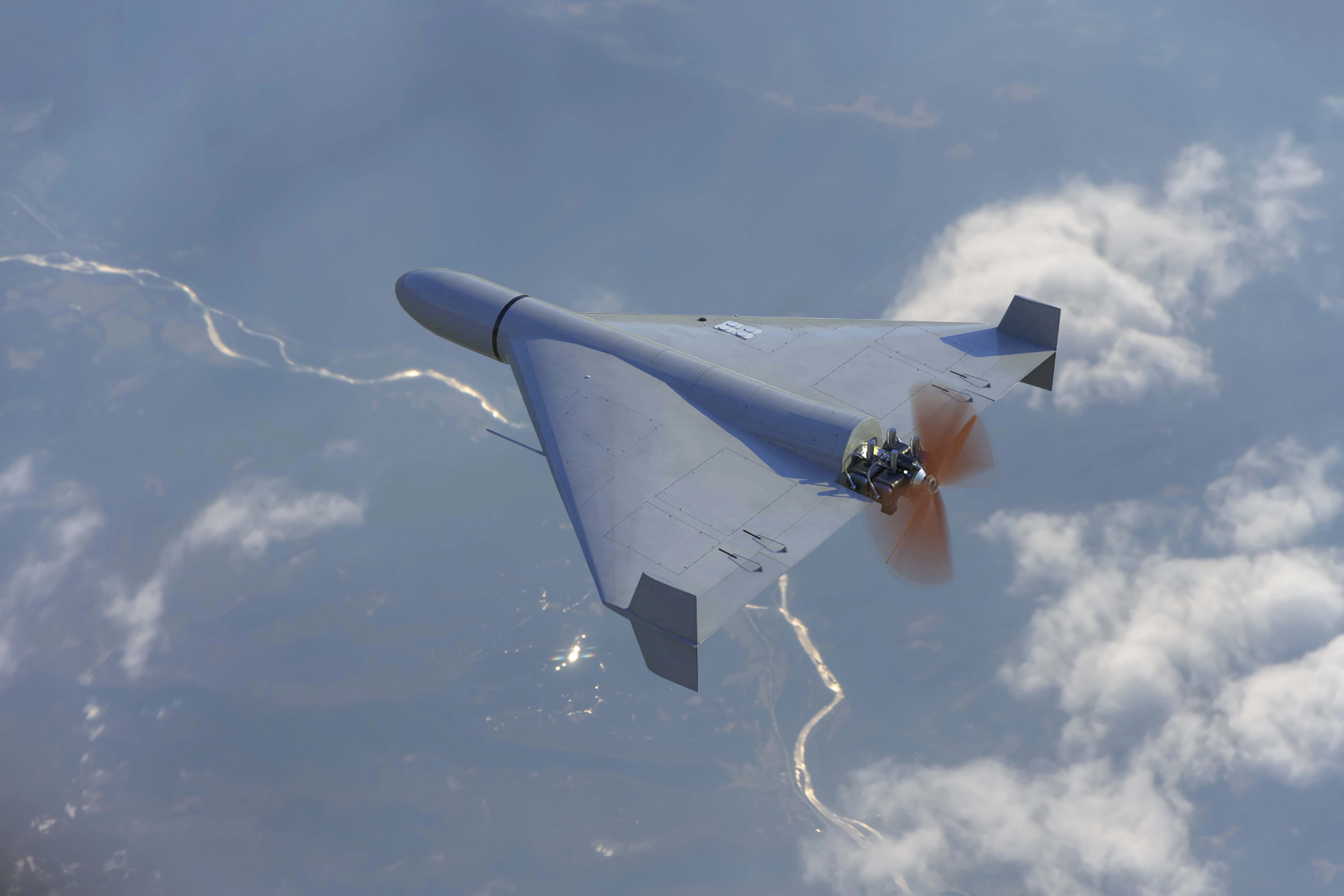
Yurii Ihnat, head of communications for Ukraine’s Air Force, said the drones themselves had not disappeared and continued to fly, but Russia had lost an important capability that allowed operators to adjust strikes while the drones were already in the air.
Follow our coverage of the war on the @Kyivpost_official.
“The drones haven’t disappeared, but it has become much more difficult for the enemy,” Ihnat said during a national television broadcast.
According to Ihnat, the relay stations, positioned on the Belarusian side of the border, extended communication between drone operators and Shahed unmanned aerial vehicles, enabling Russian forces to receive live video feeds and modify targets during an attack.
“Having a real-time video feed allows the enemy to strike even moving targets or change attack coordinates during flight,” he said.
He said the loss of those relay stations has significantly limited Russia’s ability to coordinate drone operations in regions near the Belarusian border.
According to Ihnat, Russian forces previously used the live video capability to direct Shahed drones against moving targets, including Ukrainian trains and mobile air defense fire groups.
Zelensky cited briefings from Commander-in-Chief Oleksandr Syrsky and Ukraine’s intelligence service, saying the retransmitters located on Belarusian territory stopped operating as of Monday, according to RBC-Ukraine. He noted that he does not yet know whether the equipment has been dismantled, but said “the fact is that as of today, the retransmitters are not working.”
Last week, Zelensky publicly demanded that Belarusian leader Alexander Lukashenko remove the retransmitters, giving him a week to clear military equipment from near Ukraine’s border.
“From the first days of this war, missiles were flying from Belarus, killing children and adults,” Zelensky said, warning that if Belarus failed to act, Ukraine would eliminate the systems itself.
Moscow condemned Zelensky’s ultimatum as “absolutely aggressive” interference in Belarus’ internal affairs, saying Kremlin leader Vladimir Putin plans to discuss Kyiv’s warning with Lukashenko.
Earlier in June, Lukashenko completely shifted his stance, publicly apologizing to Zelensky and ruling out Belarus entering the war, calling any spillover of the conflict onto Belarusian territory “absolutely unacceptable.”
As of June 21st, Belarus’ opposition-led United Transitional Cabinet warned Ukraine’s Foreign Ministry that Lukashenko may be preparing to join Russia’s war, citing constitutional changes, rapid military expansion, and deeper integration with Moscow’s arms industry as signs Minsk is shifting away from neutrality.
Kyiv Post is Ukraine’s first and oldest English news organization, reporting since 1995. Its international reach – 97% of readers are outside of Ukraine – make it truly Ukraine’s global voice.