Renault teams up with Thales to boost France’s drone production
AI Analysis
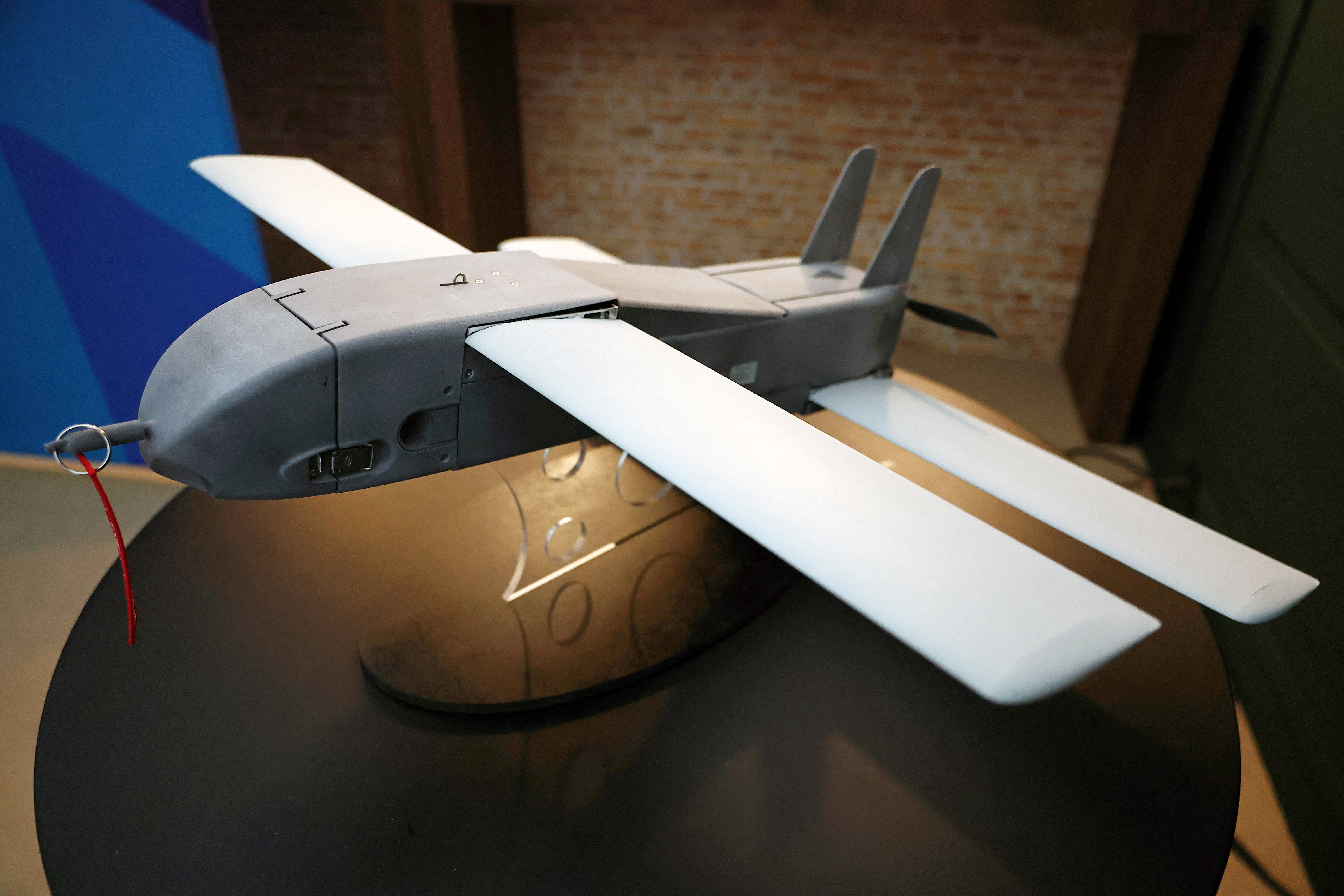
Renault and Thales have partnered to significantly increase the production of Thales’ Toutatis loitering munition, aiming for 1,000 units per month. This will involve shifting from 3D printing to mass production techniques like plastic injection molding, reducing costs and component count. Renault is also pursuing a separate long-range drone program (Chorus) and ground drone development.
Key Takeaways
- Renault will manufacture Thales’ Toutatis loitering munition at scale, increasing production from ~100/year to 1,000/month.
- Production will focus on overseas markets initially, with no immediate large-scale French procurement planned.
- The partnership leverages Renault’s manufacturing expertise to lower production costs (40% reduction in parts/fasteners) and accelerate output.
- Toutatis is positioned as a 'super competitive' alternative to existing loitering munitions like Damocles and Akeron RCX 50.
- Renault is concurrently developing a long-range drone (Chorus) with Turgis Gaillard and a ground drone with John Cockerill Defense.
Why It Matters
This partnership demonstrates a broader trend of European defense industries scaling up production in response to geopolitical instability, particularly the war in Ukraine. Utilizing automotive manufacturing capacity for drone production is a key strategy to address supply chain constraints and meet growing demand for these systems. The focus on export markets suggests a strategy to build capacity and generate revenue while potentially addressing domestic needs later.
France’s Renault Group will produce military drones with defense technology firm Thales, the companies said on Tuesday, marking a further push by the automaker into defense manufacturing.
Renault will build Thales’ Toutatis remotely operated loitering munitions at one of its factories, with production of 1,000 units a month starting as early as next year, and targeting mainly overseas markets.
The agreement, announced at the Eurosatory defense fair outside Paris, is the second partnership in defense between the two groups, which are also working together on a military vehicle.
The companies said the deal would significantly ramp up France’s industrial capacity in a strategic area. Loitering munitions — drones that hover over a target area before striking — have played a central role in the war in Ukraine.
“We started with the military need,” said Thales CEO Patrice Caine. “We closely examined what’s happening in a number of theaters of operation, particularly in the East, but not exclusively.”
Russia’s invasion of Ukraine and a shift in U.S. foreign policy under President Donald Trump have driven European countries to boost defense spending, prompting arms makers to tap spare capacity in the auto sector to increase output.
Renault said in February it had been asked by France’s armed forces ministry to help strengthen the country’s defense sector.
Renault’s industrial expertise will help scale up drone production more quickly and at lower cost, CEO Francois Provost said.
Thales currently produces around 100 units of the Toutatis drone per year. The partnership with Renault will increase output by switching from 3D printing to larger-scale plastic injection molding, with the drone’s design being adapted to allow for the higher production volume. A 40% reduction in the number of parts and fasteners will also help lower costs, said Provost.
Asked about the cost of the new munition compared to others on the market such as the Damocles from KNDS and Delair, or the Akeron RCX 50 from MBDA, Caine said that it was “super competitive.”
There are currently no firm plans for France to purchase significant volumes of the drones, added the companies, with higher needs in other markets.
The short-range drone project adds to Renault’s Chorus program with drone maker Turgis Gaillard to develop a long-range model. A first demonstrator is expected by the end of this year, followed by monthly output of 600 drones at Renault’s Le Mans plant.
Renault has said making cars remains its core business, though it is also working with Belgian group John Cockerill on a ground drone. John Cockerill Defense bought French military vehicle maker Arquus from Swedish truck manufacturer Volvo in 2024.