Norway Pledges $11M for Chornobyl Repairs After Russian Drone Strike
AI Analysis
Norway has pledged $11 million to repair damage to the New Safe Confinement at the Chornobyl Nuclear Power Plant following a February 2025 Russian drone strike. The attack damaged the outer cladding of the confinement, complicating repairs and raising concerns about nuclear safety. Recent attacks, including a June 7 drone strike on the Central Spent Nuclear Fuel Storage Facility, highlight the vulnerability of Ukrainian nuclear infrastructure.
Key Takeaways
- Russian drone strikes have physically damaged the New Safe Confinement at Chornobyl, requiring extensive and costly repairs (estimated >€500M total).
- The February 2025 drone strike ignited a fire *within* the layers of the New Safe Confinement’s cladding, significantly complicating repair efforts.
- Norway’s funding will be channeled through the EBRD and ICCA.
- Recent attacks extend beyond the confinement itself, targeting the Central Spent Nuclear Fuel Storage Facility.
- The IAEA has expressed concern over the increasing risks to nuclear safety in Ukraine, citing incidents at both Chornobyl and Zaporizhzhia Nuclear Power Plants.
Why It Matters
The deliberate targeting of nuclear facilities represents a dangerous escalation and potential for a catastrophic incident. Damage to containment structures, even without immediate radiation release, compromises long-term safety and necessitates costly repairs. These attacks underscore the need for increased international pressure to protect Ukrainian nuclear infrastructure and potentially establish demilitarized zones around these sites.
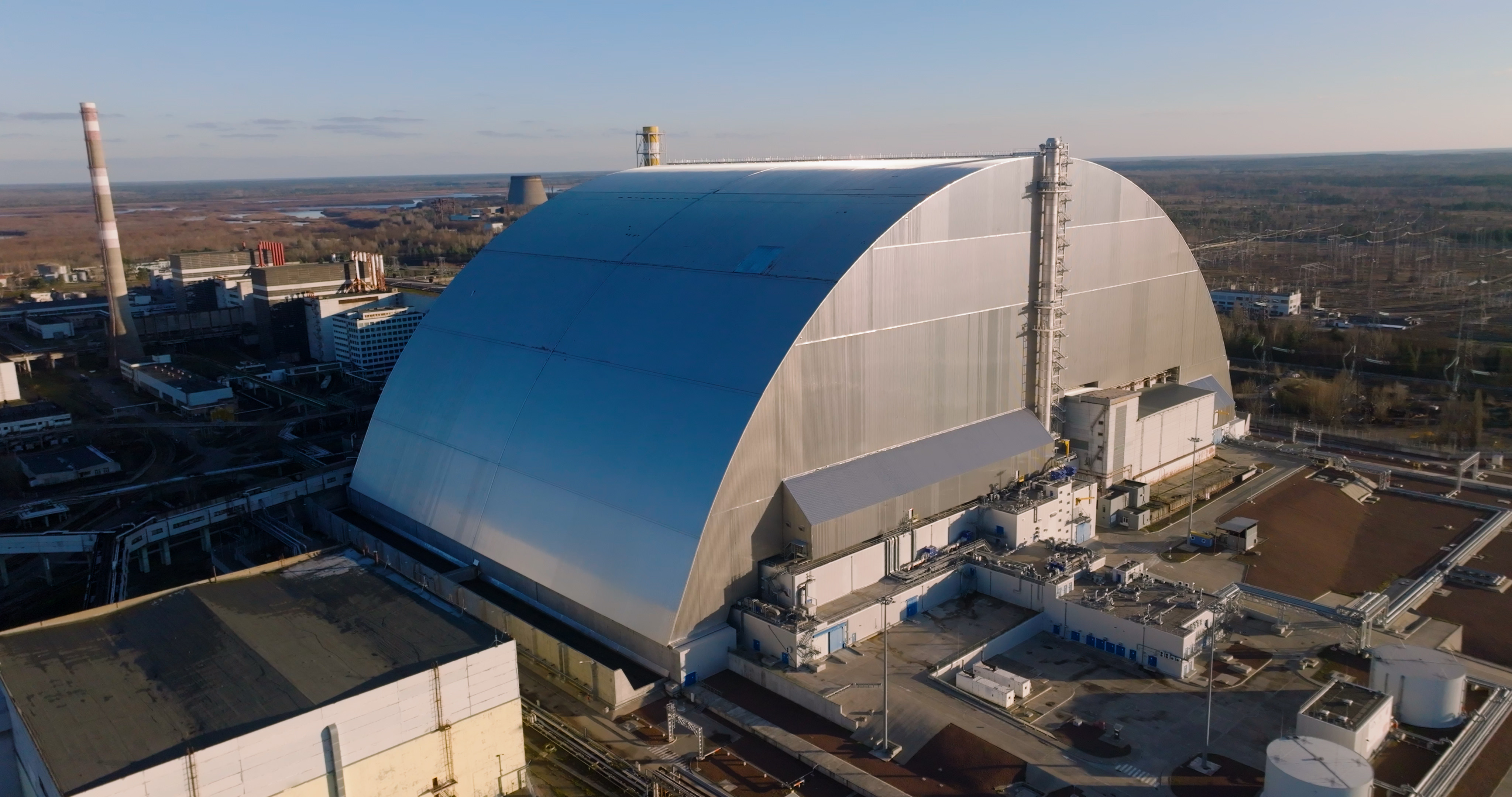
Norway has pledged to allocate 100 million Norwegian kroner ($11 million) to help repair the New Safe Confinement at the Chornobyl site.
The confinement, damaged by a Russian attack in February 2025, was erected in 2016 as a modern replacement for the sarcophagus that was built hastily to shield the radiation in the wake of the 1986 nuclear disaster.
Follow our coverage of the war on the @Kyivpost_official.
According to a statement from the Norwegian Embassy in Ukraine, Oslo will support the necessary repairs through the European Bank for Reconstruction and Development (EBRD) fund and the International Chornobyl Cooperation Account (ICCA).
The EBRD previously estimated that total repair costs could exceed €500 million ($585 million), with funding from the ICCA earmarked for preliminary work on engineering and early procurement.
During his visit to Kyiv, Norway’s State Secretary at the Ministry of Foreign Affairs Eivind Vad Petersson also condemned a recent Russian drone attack on the nuclear site’s Central Spent Nuclear Fuel Storage Facility (CSFSF) on June 7, calling it “a serious reminder of the importance of nuclear safety in Ukraine.”
“These attacks also pose a threat to European and international security,” he added.
He said Norway will work to reduce the risk of radioactive releases and “ensure that the Chornobyl Nuclear Power Plant continues to be operated safely.”
The strike on Chornobyl occurred at approximately 2:10 a.m. on June 7 and partially destroyed the site’s container reception building.
The kinetic impact ignited a fire that covered 40 square meters (431 square feet). The emergency response teams promptly isolated and fully extinguished the blaze, with authorities confirming no casualties among the facility’s personnel.
Ukrainian nuclear operator Energoatom said no spent nuclear fuel was stored in the damaged building, adding that radiation levels remained within normal limits.
Norway’s latest pledge to help repair the confinement follows earlier commitments from other international partners, including an offer by the United States and G7 allies to help fund repairs for the New Safe Confinement.
Due to operational oversights, the meltdown at Chornobyl’s Reactor No. 4 spiraled into one of the worst nuclear incidents in history, resulting in a 30-kilometer (19-mile) exclusion zone and continues to impact communities beyond the zone.
The Chornobyl site has come under repeated Russian attacks after Moscow’s 2022 invasion began.
The plant was briefly occupied by Russian troops in early 2022, when Moscow attempted to advance towards Kyiv via the contaminated region.
In February 2025, a Russian drone tore a hole through the cladding shielding the plant.
In an exclusive interview with Kyiv Post, EBRD officials said the drone’s fuel ignited a fire between the protective layers, rendering repair work extremely difficult.
“The biggest problem was that the fire propagated through the cladding of the New Safe Confinement over a very large area. The firefighters needed two weeks to extinguish the fire, which was smoldering in the various layers of this outer cladding. The cladding lost its property,” he said.
The attacks, alongside Russia’s occupation of Ukraine’s Zaporizhzhia Nuclear Power Plant (ZNPP) and recent blackouts caused by drone strikes near the plant, have renewed calls for restrictions around nuclear facilities as Russia’s war continues.
“The incident once again underlines the constant dangers to nuclear safety during the military conflict,” International Atomic Energy Agency (IAEA) Director Rafael Grossi said after a 15-hour blackout at the ZNPP on June 6.
Kyiv Post is Ukraine’s first and oldest English news organization, reporting since 1995. Its international reach – 97% of readers are outside of Ukraine – make it truly Ukraine’s global voice.